
Apps Games Articles
2ndLine - Second Phone Number
TextNow, Inc.
Rating 4.1star icon
Editor's summary
Editor rating
star icon star icon star icon star icon
half star icon
4.5

One-line summary 2ndLine is easy to recommend if you want a genuinely usable free second number with reliable calling and texting, but it’s harder to love if you expect a fully carrier-like experience without ads, occasional quirks, or dependence on solid Wi-Fi/data.

  • Installs

    10M+

  • Developer

    TextNow, Inc.

  • Category

    Communication

  • Content Rating

    Everyone

  • Latest version

    23.15.0.2

  • Package

    com.enflick.android.tn2ndLine

In-depth review
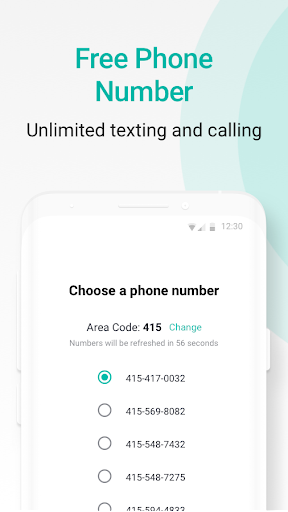
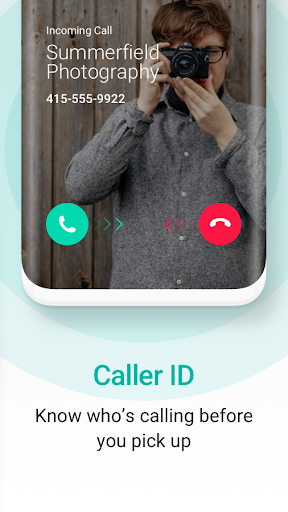
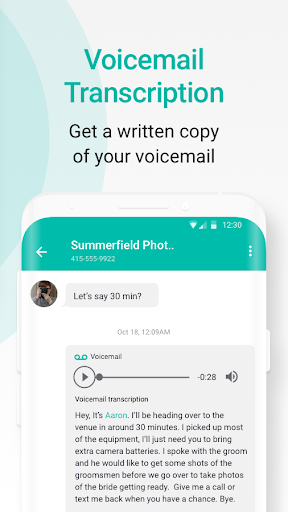
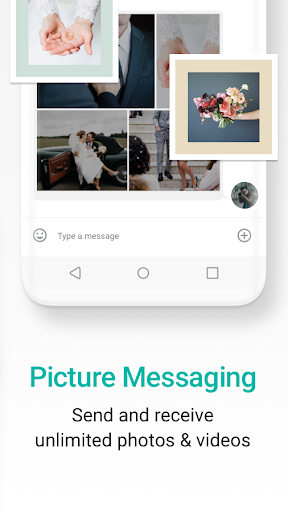
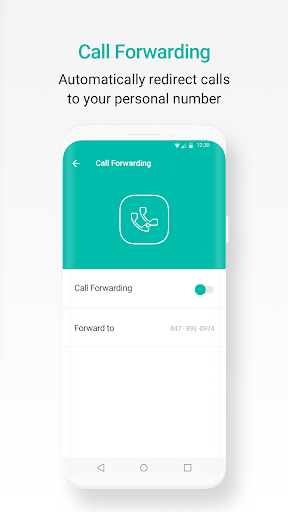
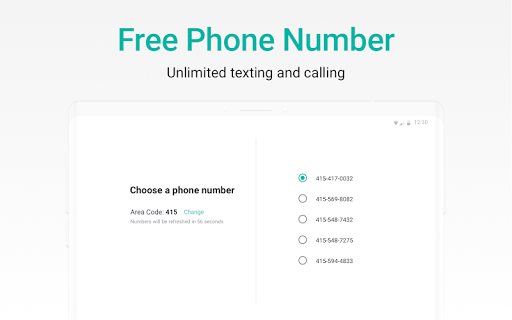
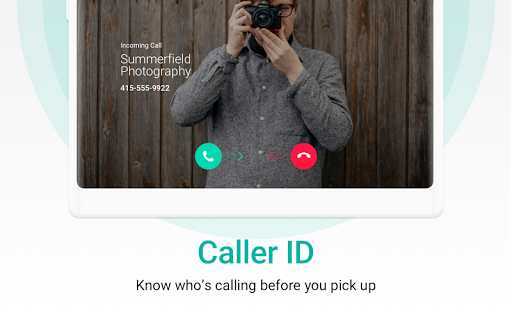
After spending real time with 2ndLine, the clearest takeaway is that this app understands its job better than a lot of “free second number” apps do. It is not trying to disguise itself as some magical replacement for a full mobile plan, and it is not built around bait-and-switch trial tactics. Instead, it gives you what most people came for in the first place: a second number for calls and texts that is fast to set up, practical in day-to-day use, and surprisingly livable on the free tier. The initial setup is refreshingly straightforward. Picking a US number with a local area code feels quick rather than overcomplicated, and the app gets you to the useful part fast: making calls, sending texts, and separating one part of your life from another. That is really where 2ndLine shines. In use, it feels less like a novelty utility and more like a functional extra line. If you want one number for work and one for personal life, or one number for sign-ups, listings, temporary projects, or online selling, this app immediately makes sense. What impressed me most is how familiar the communication flow feels once you start using it regularly. Texting is simple, calls are easy to place, voicemail is there when you need it, and the overall interface does not fight you. There are enough customization options to make it feel like a real messaging app rather than a throwaway number generator. Notifications, message handling, caller ID support, and media sharing all help it feel complete enough for normal everyday use. Sending photos and carrying on ongoing conversations worked with the kind of consistency you want from a second line app. The biggest strength here is obvious: the free version is actually useful. That should not be rare, but in this category it still is. A lot of apps in the same space either hold basic functions hostage behind subscriptions or make you constantly manage credits, trials, or arbitrary usage limits. 2ndLine feels much more honest than that. Yes, there are ads, but in my testing they were more of a background tax than a constant interruption. They are present, and sometimes that will bother you on principle, but they generally do not destroy the core experience. The second strength is that the app is genuinely good at being a “second line” rather than a weird half-line. For anyone who needs separation, this matters. It is easy to tell when communication is coming through the app, which is useful if you are using it for client messages, side work, community groups, online accounts, or anything else you do not want tied to your main number. That separation ends up being the feature, even more than the free calling itself. The third strength is that calling and texting feel stable enough to rely on, provided you understand the app’s limits. On a good Wi-Fi or data connection, it does what it promises. Calls connected cleanly, texts came through in a timely way, and voicemail did not feel buried or awkward to manage. For a free communication app, that level of reliability is the difference between “installed” and “actually used.” 2ndLine clears that bar. That said, this is not a perfect app, and its shortcomings are noticeable the more seriously you try to use it. First, 2ndLine still depends heavily on your internet quality. When your connection is good, it feels smooth. When your connection is weak, the illusion of a normal phone line breaks down fast. This is not unique to 2ndLine, but it matters. If you need mission-critical reliability everywhere, especially in poor signal environments, this app can feel more fragile than a carrier-backed number. Second, while the ads are tolerable, they are still ads. People who are comfortable trading attention for a free service will probably shrug and move on. But if you are using the app constantly throughout the day, that ad-supported model becomes more noticeable over time. The paid option exists for a reason. Free users get a lot, but the experience never fully escapes the sense that something promotional is always nearby. Third, the app can feel a little less polished at the edges than the best mainstream messaging or dialer apps. Not broken, not chaotic, just occasionally a bit app-like in the wrong way. Power users may notice little hiccups, moments where the experience depends on battery settings, permissions, or app behavior lining up properly. It is easy enough to use, but not always effortless in the invisible, seamless way your primary phone line usually is. There is also the question of number permanence. If you want a second number you can casually keep active, 2ndLine can absolutely work. But if your number is central to your business identity or long-term personal use, you will want to pay attention to how the app handles inactivity and premium perks. This is one of those areas where the free version is generous, but not identical to owning a normal carrier number with no strings attached. So who is 2ndLine for? It is for students, freelancers, side hustlers, online sellers, privacy-conscious users, and anyone who wants a buffer between their real phone number and the rest of the world. It is also a strong fit for people on a budget who still need dependable calling and texting over Wi-Fi or mobile data. If your goal is to get a second number without spending much, 2ndLine is one of the few apps that feels practical rather than gimmicky. Who is it not for? Anyone who hates ads, needs absolute carrier-grade consistency in every environment, or wants a second line that behaves exactly like a premium mobile service with zero maintenance. If your work depends on flawless call quality in all conditions, or if you do not want to think about internet quality, permissions, or app settings at all, this may feel like a compromise. Still, as a real-world tool, 2ndLine gets more right than wrong. It is useful immediately, affordable to keep free, and dependable enough to earn a place on your phone instead of disappearing into the “maybe later” folder. That is a bigger compliment than it sounds. In a category full of apps that promise freedom and deliver friction, 2ndLine mostly delivers the thing itself: a second number that you will actually use.
Alternative apps