
Apps Games Articles
Signal Private Messenger
Signal Foundation
Rating 4.5star icon
Editor's summary
Editor rating
star icon star icon star icon star icon
half star icon
4.5

One-line summary Signal is the messaging app I recommend when privacy actually matters, but its occasional rough edges around notifications, backups, and account/device handling keep it from being an effortless universal pick.

  • Installs

    100M+

  • Developer

    Signal Foundation

  • Category

    Communication

  • Content Rating

    Everyone

  • Latest version

    8.2.2

  • Package

    org.thoughtcrime.securesms

Screenshots
In-depth review
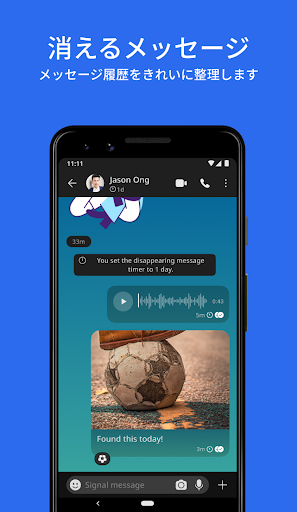
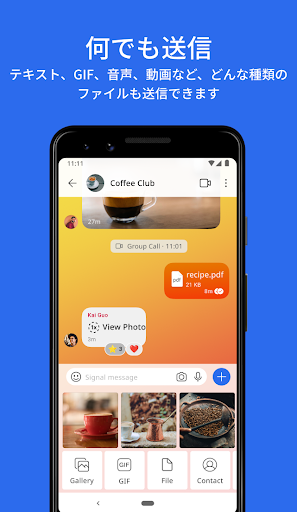
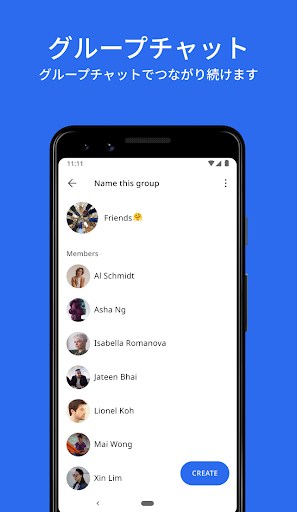
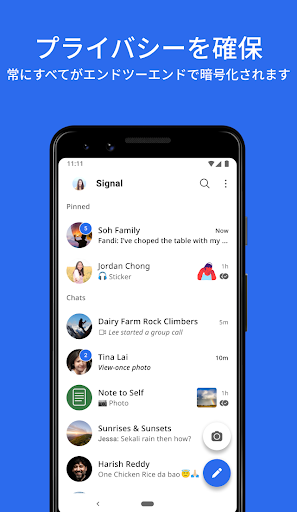
Signal Private Messenger feels like one of the rare communication apps that still has a clear philosophy behind it. After spending real time with it as a daily messenger, that philosophy comes through immediately: this app is trying very hard to give you the familiar comforts of modern chat without treating your conversations like raw material for someone else’s business. More importantly, it mostly succeeds. The first impression is that Signal is refreshingly straightforward. Setup is quick, the interface is clean, and the core functions are easy to understand. Sending texts, voice notes, photos, videos, files, stickers, and links all works in the predictable way you would expect from a mainstream chat app. Voice and video calling are built in and feel like first-class features rather than tacked-on extras. In day-to-day use, that matters more than any grand promise about privacy. An encrypted app that feels awkward will never become your default messenger; Signal generally avoids that trap. What I liked most is how normal Signal feels despite its security-first positioning. Chats are fast, reactions and replies are easy to use, search is useful, group conversations are manageable, and disappearing messages are there if you want them without becoming the whole identity of the app. There is a mature, restrained quality to the experience. Signal is not trying to bombard you with channels, bots, shopping tabs, or social clutter. It wants to be a messaging app, and in practice that focus is a strength. The second major strength is trust. Even if you are not a privacy maximalist, there is genuine comfort in using a messenger built around end-to-end encryption by default. You do not have to dig through settings to make basic conversation privacy happen; it is the starting point. That changes the tone of the entire experience. Signal feels calmer than many chat apps because it is not constantly nudging you toward engagement gimmicks. There is also a sense of independence here that is hard to ignore. The app does not feel like it is trying to monetize your attention every time you open it, and that alone makes it stand out. A third strength is that Signal has enough features to be practical for real life, not just secure in theory. Group chats can handle large communities, calls are clear, and Stories are available for people who want lightweight social sharing. I also appreciated that the app remains readable and uncluttered even as it adds more capabilities. Some communication apps become feature-heavy and exhausting; Signal mostly stays disciplined. That said, using it every day also reveals the limits of that discipline. The biggest weakness is that Signal can still feel a little less forgiving than the most polished mass-market messengers. Notifications, for example, can be inconsistent depending on device behavior and setup, and when a messaging app fails to surface messages reliably, even occasionally, it creates anxiety fast. In my time with the app, I did not find Signal universally broken in this area, but I did find it easier than it should be to end up second-guessing whether everything is arriving exactly when it should. The second weak point is backup and device continuity. Signal’s privacy model has clear tradeoffs, and you feel them most when changing phones, adding devices, or trying to recover message history. This is one of those areas where the app’s ideals can translate into friction. If you are the kind of user who upgrades phones often, loses devices, or expects a seamless cloud-style restore process, Signal may feel stubborn. It is not impossible to live with, but it is not the sort of invisible account system many people now take for granted. The third weakness is that some quality-of-life features still feel oddly absent or undercooked. In extended use, I found myself wishing for a few more conveniences: better chat triage tools, more polished notification controls, and smoother handling around media and conversation management. Signal covers the essentials well, but it does not always indulge the smaller niceties that power users notice quickly. None of these omissions are deal-breakers on their own, yet together they reinforce the feeling that Signal prioritizes correctness and privacy over ergonomic perfection. Who is Signal for? It is ideal for people who want a serious, private messenger that still feels friendly and modern. If you care about encrypted communication, want a clean alternative to ad-driven ecosystems, or just want a reliable app for text, voice, and video with minimal nonsense, Signal is easy to recommend. It is also a strong fit for families, friend groups, and communities that can get everyone onto the same app, because the experience gets better once your core contacts are already there. Who is it not for? If your top priority is frictionless migration across devices, endless customization, or the broadest social discovery features, Signal may feel limited. It is also not the best choice for someone who wants a messenger to double as a public platform or community directory. Signal works best as a private communication tool, not as a sprawling social network. In the end, Signal earns its reputation because it gets the fundamentals right. It is secure without being intimidating, full-featured without being messy, and principled without feeling like a hobbyist project. I would not call it perfect; the rough edges around notifications, backups, and a few missing conveniences are real. But I would call it one of the easiest privacy-focused app recommendations to make. If you want a messenger that respects you and still works like a modern messenger should, Signal is one of the strongest options on Android.