
Apps Games Articles
Poshmark - Sell & Shop Online
Poshmark, Inc
Rating 4.6star icon
Editor's summary
Editor rating
star icon star icon star icon star icon
half star icon
4.5

One-line summary Poshmark is one of the easiest and most engaging apps for buying and reselling fashion, but its social mechanics, selling busywork, and fairly steep fees won’t appeal to everyone.

  • Installs

    10M+

  • Developer

    Poshmark, Inc

  • Category

    Shopping

  • Content Rating

    Everyone

  • Latest version

    9.02

  • Package

    com.poshmark.app

In-depth review
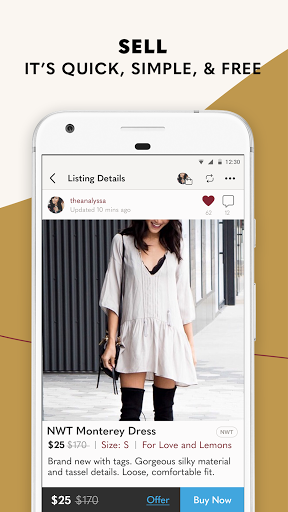
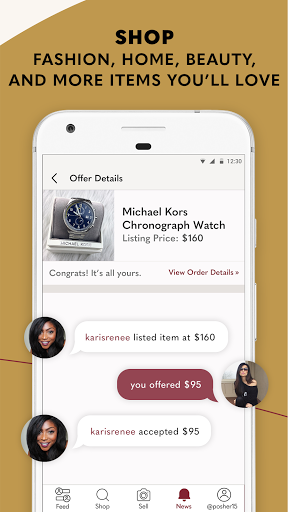
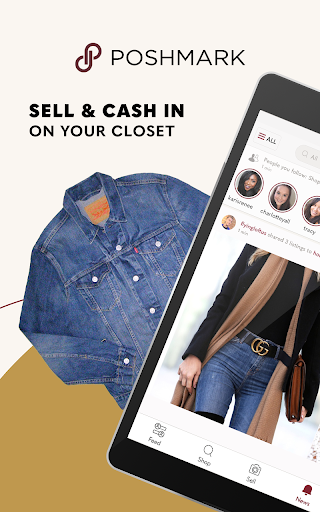
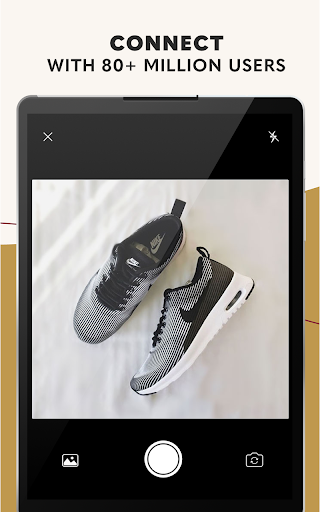
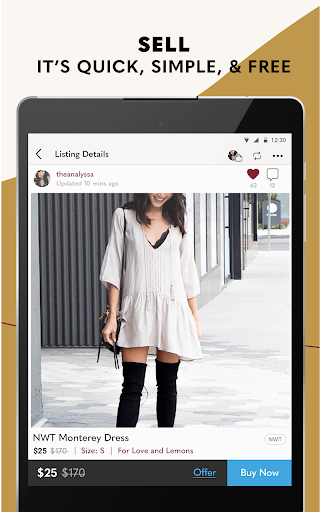
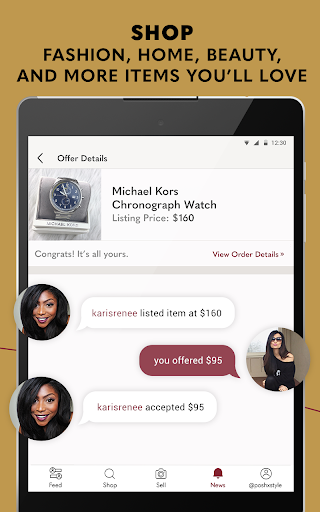
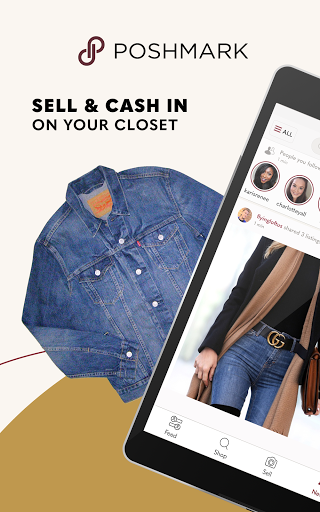
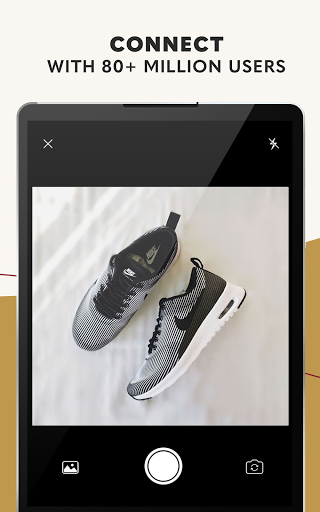
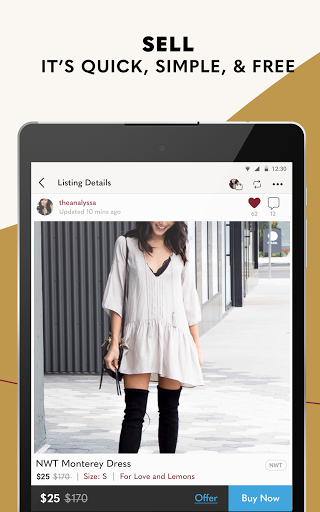
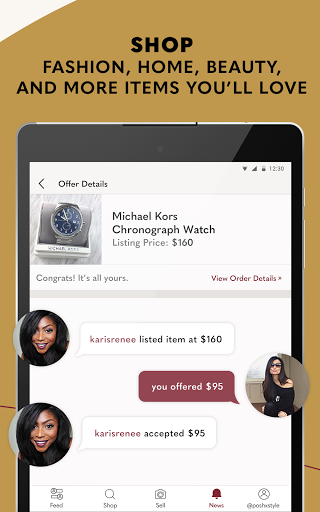
After spending real time with Poshmark as both a shopper and a casual seller, I came away understanding exactly why it has such staying power. This is not just a plain classifieds app with photos and checkout bolted on. It feels like a hybrid of marketplace, thrift hunt, and social feed, and that combination is both its biggest advantage and one of its recurring annoyances. The first thing Poshmark gets right is approachability. Getting started is quick, and the app does a good job of nudging you toward the parts that matter: setting your sizes, browsing brands, following closets, and building a feed that starts to feel somewhat tailored to your taste. If you are shopping for clothing, shoes, accessories, or even some non-fashion categories, it is easy to fall into a productive scroll. Search is especially useful when you know what you want. Filtering by size is a genuinely practical feature, and it saves a huge amount of time compared with marketplaces that force you to dig through irrelevant listings. As a shopping experience, Poshmark works best when you enjoy the thrill of discovering something specific at a discount: a favorite brand, a sold-out style, a vintage piece, or just a better-than-retail deal. The inventory is broad enough that the app can feel like an endless rack of secondhand and new finds. I had no trouble locating recognizable brands across different styles and price points, and that breadth makes the app compelling even before you get into negotiations, offers, and bundles. That leads to the second big strength: Poshmark makes the transaction flow unusually friendly. Making an offer, receiving a private offer, or combining items into a bundle all feel built into the culture of the app rather than hidden away as advanced features. For buyers, that makes shopping more interactive and often more affordable. For sellers, it creates multiple ways to move inventory beyond just waiting for someone to pay the listed price. In practice, this makes the app feel more alive than a standard list-and-forget marketplace. Selling is where Poshmark becomes especially appealing for beginners. Listing an item is straightforward, shipping is simplified by prepaid labels, and the app reduces a lot of the friction that usually scares off first-time resellers. You photograph the item, write it up, set a price, and when it sells, the shipping side is relatively painless. That simplicity is a major reason I would recommend the app to someone cleaning out a closet for extra cash rather than trying to build a highly customized resale workflow from scratch. The app also does a good job of creating a sense of trust. The in-platform transaction flow, return handling, and support for more expensive items all make it feel safer than informal buy-sell arrangements that drift into private messages and payment apps. During use, there is a clear feeling that Poshmark wants the deal to stay on-platform, and honestly that is the right design choice for most people. That said, Poshmark absolutely has friction points. The biggest one is that the app can feel too social for users who simply want an efficient marketplace. Sharing listings, following closets, participating in themed events, and staying visible are central to how the platform works. If you enjoy the community side, that can be energizing. If you prefer a quieter, more transactional experience, it can feel like maintenance work. Selling here is not always passive. There is a recurring sense that visibility depends on activity, and that means more tapping, more sharing, and more checking in than some users will want. A second weakness is interface clutter. Poshmark offers a lot, but it does not always separate those layers elegantly. Feed activity, shopping, offers, bundles, parties, and closet management can overlap in ways that make the app feel busy. I never found it unusable, but I did regularly feel that it asked for more attention than necessary. There are moments when you want a clean path to browse or manage listings and instead get pulled through a more crowded, notification-heavy environment. The third drawback is cost structure for sellers. Poshmark is convenient, and that convenience clearly comes at a price. The fee cut is not subtle, and shipping costs can also feel high depending on the item category and price point. For higher-value fashion, the convenience can justify it. For low-priced items, though, the math can get less attractive very quickly. If you are hoping to unload cheap basics one by one, you may find the platform better for curated, desirable items than for bargain-bin volume. In day-to-day use, Poshmark is at its best when you lean into what it is instead of wishing it were something else. It is excellent for fashion-focused shoppers who like browsing, making offers, hunting for deals, and finding specific brands in their size. It is also a strong fit for casual sellers who want a relatively easy listing and shipping process without learning the ins and outs of a more complicated resale platform. It is less ideal for people who hate social shopping mechanics, want a stripped-down marketplace with minimal interaction, or are extremely sensitive to seller fees. If your idea of a good resale app is upload once and disappear, Poshmark may feel more demanding than you would like. Overall, though, I found it polished where it matters most: discovery, buying flow, and seller onboarding. Even when the app gets noisy, the core experience still works. Poshmark makes secondhand shopping feel accessible and even fun, and it lowers the barrier to selling in a way few marketplace apps manage. It is not the cheapest or quietest platform, but it is one of the easiest to recommend for anyone who wants fashion resale to feel active, social, and genuinely usable.
Alternative apps