
Apps Games Articles
Chess Kingdom : Online Chess
DoPuz Games
Rating 4.8star icon
Editor's summary
Editor rating
star icon star icon star icon star icon
half star icon
4.5

One-line summary Chess Kingdom is an easy app to recommend for casual and improving players thanks to its approachable AI, clean local multiplayer, and solid review tools, but serious online competitors may hesitate because the online experience can feel rough around the edges.

  • Installs

    10M+

  • Developer

    DoPuz Games

  • Category

    Board

  • Content Rating

    Everyone

  • Latest version

    5.5001

  • Package

    com.dupuz.checkers.checkmate

Screenshots
In-depth review
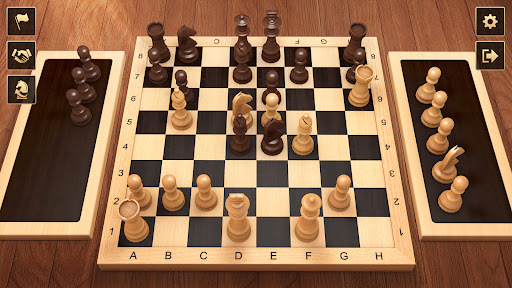
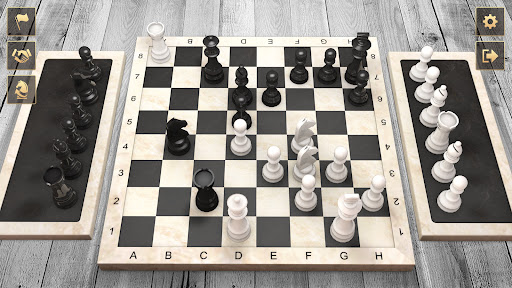
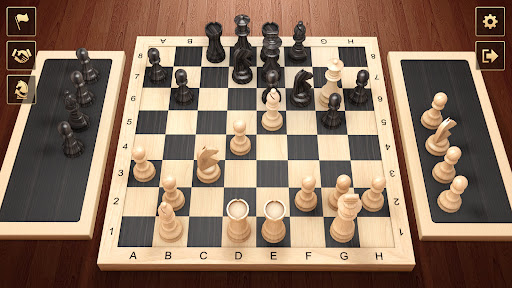
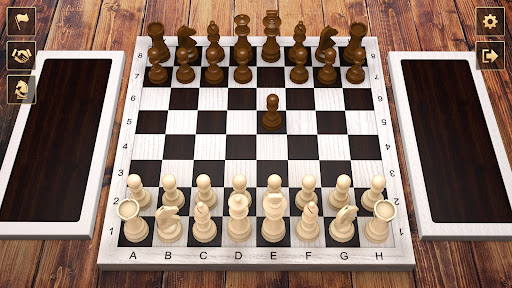
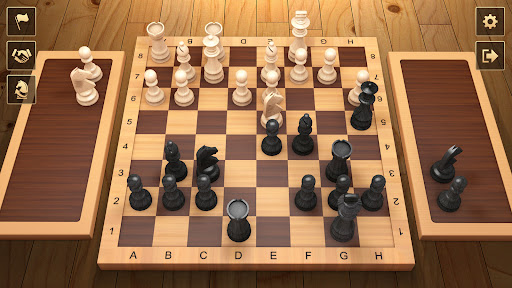
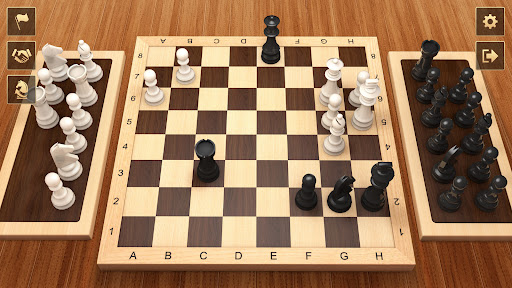
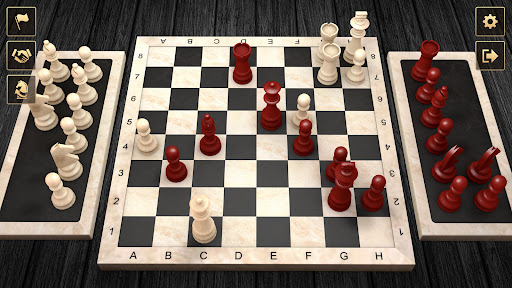
Chess Kingdom : Online Chess is one of those mobile chess apps that immediately tells you what kind of audience it wants: not just hardened club players, but anyone who wants a convenient, welcoming place to play a quick game, practice against AI, or hand the phone to a friend for a couch match. After spending time with it across its different modes, I came away thinking this is a very good all-round chess app, especially for beginners and intermediate players who value accessibility over tournament-grade seriousness. The first thing that stands out is how approachable it feels. A lot of chess apps either lean too hard into stripped-down utility or overcomplicate the experience with menus and competitive systems that can intimidate new players. Chess Kingdom takes the opposite route. The presentation is friendly, the board is readable, the pieces are easy to track at a glance, and the interface generally gets out of the way. It has a slightly retro mobile-game personality rather than a pure “digital tournament board” aesthetic, but that works in its favor if your goal is to relax and play rather than simulate an OTB club environment. It is not the most premium-looking chess app I have ever used, but it is visually pleasant and practical. Its biggest strength is the way it handles skill range. Playing against the computer is where I had the most consistent fun. The AI feels tuned for actual humans instead of just existing to crush them. On lower settings, it gives newer players room to think, experiment, and recover from mistakes. That matters more than many developers realize. In weaker chess apps, “easy” mode still feels like an engine wearing a fake mustache. Here, the lower end is genuinely usable if you are relearning the game, teaching a child, or just trying to rebuild confidence. At the same time, the app still offers enough headroom that stronger players can push upward when they want more resistance. That flexible difficulty curve makes it much more inviting than chess apps that only feel good if you are already competent. The second major strength is the range of play modes without making the app feel bloated. The offline AI mode is the obvious staple, but the local two-player mode turned out to be one of my favorite parts of the app. Passing the device back and forth sounds basic, yet it is implemented in a way that makes spontaneous face-to-face games easy. That makes Chess Kingdom especially useful for families, students, and anyone who wants a no-fuss chessboard in their pocket. The review mode is also genuinely useful. Having finished games saved for replay gives the app a bit more depth than a disposable casual game, and it encourages improvement without requiring external tools. A third strength is how forgiving the app is during learning. Features like hints, undo, and game saving make it much less punishing than physical chess or stricter digital platforms. If you are still learning openings, blunder patterns, or basic tactical ideas, that safety net helps. The app seems designed to keep momentum going instead of turning every mistake into a dead end. For many players, especially those playing in short sessions during commutes or breaks, that is exactly the right design choice. That said, Chess Kingdom is not flawless, and the weaknesses become clearer the more seriously you take online play. The biggest issue is that online matches do not always feel as tightly managed as they should. In casual play that may be tolerable, but if you want a polished competitive online environment with robust fairness expectations and zero nonsense, this app can be frustrating. Match flow can feel vulnerable to stalling behavior, and that undercuts the app’s otherwise relaxed appeal. Chess is at its best when the software handles timing and sportsmanship cleanly; here, that part feels less refined than the offline side. Another weakness is that the app’s presentation, while pleasant, sometimes leans more “mobile game” than “serious chess tool.” The graphics are clear and attractive enough, but if you prefer a minimalist, tournament-style interface, this may feel a bit decorative. Some players will enjoy that personality; others will see it as a layer between them and the board. It never became unusable for me, but it did occasionally remind me that this app prioritizes broad appeal over a purist chess aesthetic. The third drawback is the presence of ads and the general free-to-play feel around the edges. They are not so overwhelming that they ruin the app, but they do affect the rhythm. Chess works best when the experience feels calm and uninterrupted, and any intrusion into that flow stands out more here than it would in a faster arcade game. If you are sensitive to monetization friction, you will notice it. So who is this app for? It is best for beginners, returning players, parents teaching children, and casual chess fans who want one app that can do a little of everything: solo games, local multiplayer, online matches, and post-game review. It is also a strong pick if you value an AI that does not feel hostile on lower difficulties. If your idea of a good chess app is one that helps you play more often and enjoy the game more, Chess Kingdom does that well. Who is it not for? If you are a serious online grinder, a rating-focused competitor, or someone who wants the cleanest and most disciplined online chess ecosystem possible, this may feel too lightweight and occasionally too loose. Likewise, if you demand a highly minimalist interface with no casual-game flavor, you may prefer something more austere. Overall, Chess Kingdom succeeds because it understands that most mobile chess players are not looking for a lecture or a proving ground every time they open the app. They want a board that looks good, an AI that is fair to learners, a friend mode that works, and enough structure to improve over time. On those terms, it does a lot right. Its online rough spots and free-to-play interruptions keep it from being an easy five-star classic, but as a broadly accessible chess app, it is one of the better options in the Play Store.