
Apps Games Articles
Chess - Play and Learn
Chess.com
Rating 4.7star icon
Editor's summary
Editor rating
star icon star icon star icon star icon
half star icon
4.5

One-line summary If you want the most complete all-in-one chess app on Android, this is the easy recommendation—just be ready for some premium gating, occasional lag, and the usual frustrations of online play.

  • Installs

    10M+

  • Developer

    Chess.com

  • Category

    Board

  • Content Rating

    Everyone

  • Latest version

    4.5.13-googleplay

  • Package

    com.chess

In-depth review
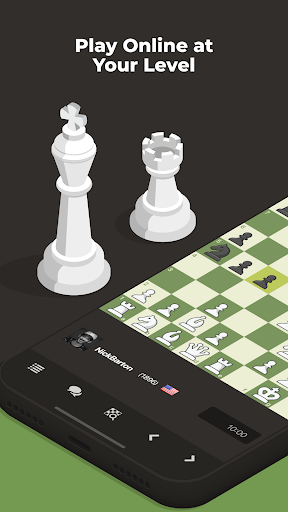
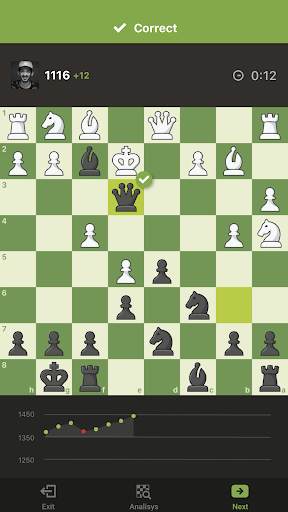
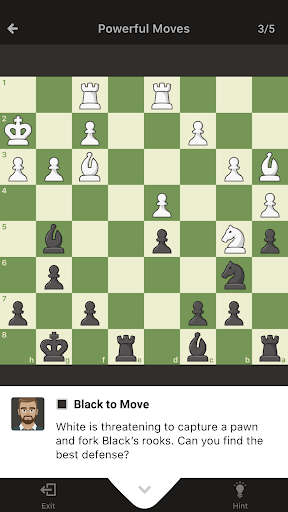
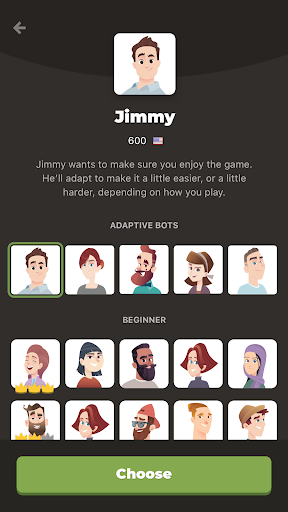
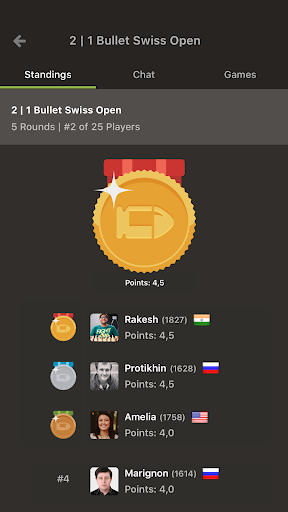
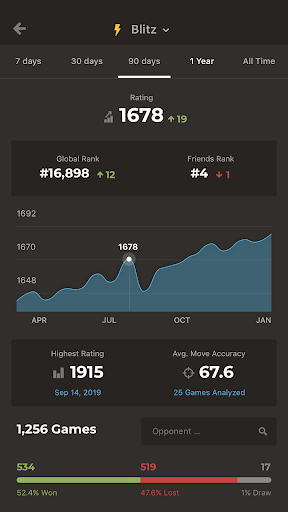
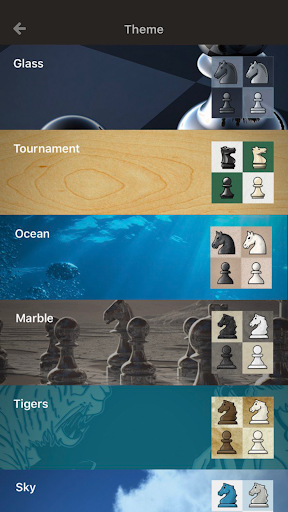
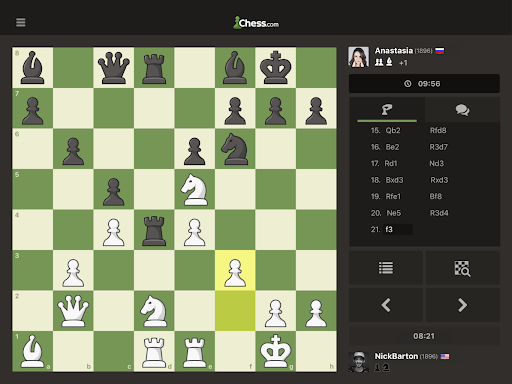
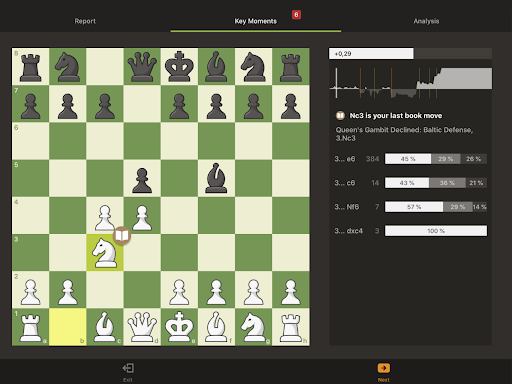
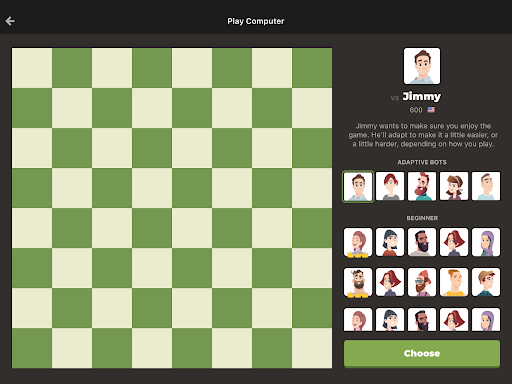
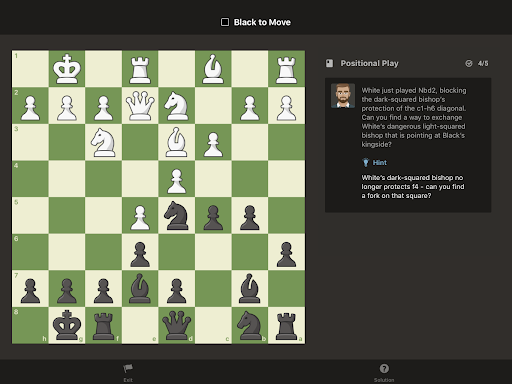
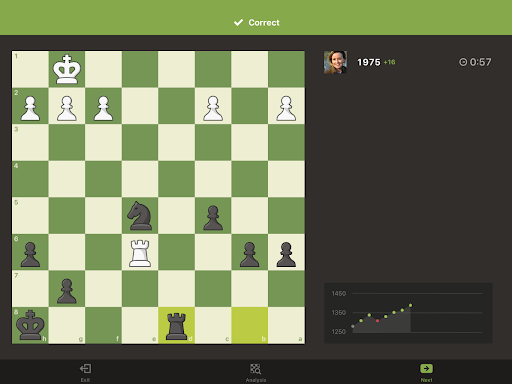
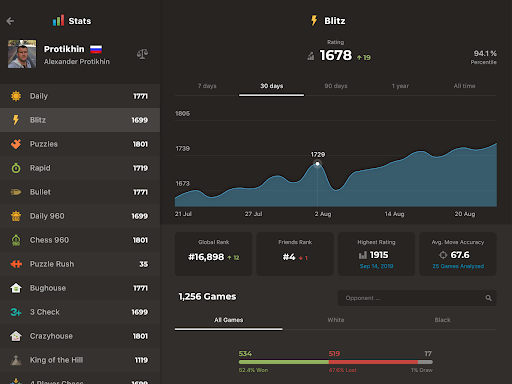
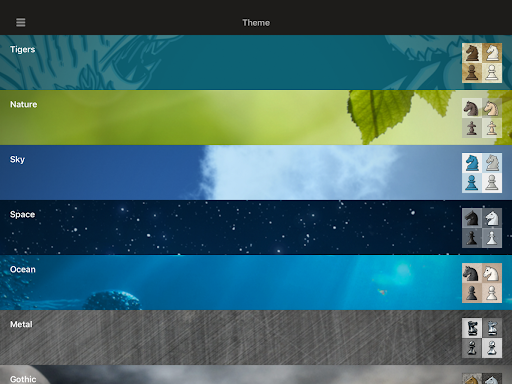
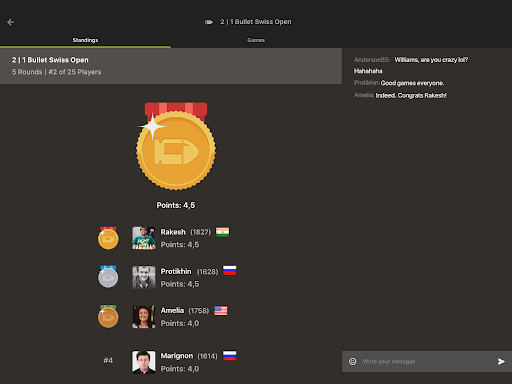
Chess - Play and Learn feels like the rare mobile app that understands chess is not just one activity. Some days you want a serious rated match. Some days you want a quick puzzle on the train. Some days you want to poke around openings, play a bot, or review the one move that ruined an otherwise solid game. After spending time with it in all of those moods, what stands out most is how naturally it handles the full chess routine. This is not merely a place to move pieces on a screen; it is a complete chess environment. The first thing I noticed is how polished the core play experience is. Starting a game is fast, matchmaking is usually straightforward, and the board itself is responsive and clean. On a phone screen, that matters more than people think. A chess app lives or dies by whether it gets out of your way, and for the most part this one does. Moves register cleanly, clocks are easy to follow, and the interface avoids the clutter that often makes serious board-game apps feel cramped. There is enough customization to make the board feel personal without turning setup into homework. It is the kind of app where you can open it for a “quick game” and end up spending an hour moving between matches, puzzles, and analysis because everything is connected sensibly. That all-in-one structure is easily one of its biggest strengths. I liked that I could finish a game, jump into review, then switch to puzzles without feeling like I had left one app and entered another. The lessons and guided learning tools give it real value for newer players, while bots and analysis keep it useful for people who are already comfortable with the basics. The app does a good job of making improvement feel approachable instead of intimidating. If you are still learning tactical patterns, the puzzle side is especially effective: quick to load, easy to understand, and genuinely habit-forming in the best way. If you are more advanced, the review tools still offer enough to make post-game reflection worthwhile, even if they are not perfect. That said, the analysis can occasionally feel a little too confident for its own good. In use, I found moments where the engine-style feedback did not always align with practical human play, especially in messy positions where one tactical idea trades off against another. It is still useful, and often very useful, but I would not treat every red mark or “miss” as gospel. For learning trends and catching obvious mistakes, it works well. For deeper positional nuance, it can feel blunt. Another clear strength is how well the app serves different types of chess players. Casual players can just challenge friends or play bots. Competitive players can jump into rated games and varied time controls. Learners have lessons, puzzles, and coaching-style guidance. Even after extended use, it rarely feels shallow. Many apps claim breadth and end up mediocre everywhere; this one mostly avoids that trap by making each mode feel like it belongs. The biggest practical downside is that the free experience is generous but not unlimited in the areas many improving players will care about most. You can absolutely enjoy the app without paying, and for basic online play it remains excellent, but some of the learning-heavy features feel gated enough that regular users will notice the ceiling. If your main goal is to grind puzzles, lessons, and deeper training every day, the premium layer is hard to ignore. That does not ruin the app, but it does shape who will get the most out of it. The other annoyance is less about the app itself and more about online chess behavior, though the app still has to own part of that experience. Longer games can become frustrating when an opponent starts stalling in a losing position or simply lets the clock bleed out. The timer is part of the game, so this is not illegitimate play in every case, but on mobile it can feel especially tedious when you just want a clean finish. I also ran into the usual mobile interruptions problem: if your session gets disrupted, the experience can feel harsher than it should. In a game built around concentration and time controls, that friction matters. Performance is mostly strong, but not flawless. On a good phone and connection, the app is smooth enough that you stop thinking about it. On weaker hardware, or during busier moments, there can be a bit of lag or a slight heaviness when moving between features. It never became unusable in my testing, but it is polished in the way large, feature-rich apps often are: capable and impressive, yet occasionally burdened by the amount it is trying to do. Who is this for? Almost anyone who wants chess to be a regular part of their day. Beginners will appreciate the structured lessons, puzzles, and bots. Intermediate players will get a lot out of the analysis, variety of play modes, and convenience of having everything in one place. Competitive players who want constant online action will also feel at home. Who is it not for? Players who want a completely unrestricted training experience for free, or those who dislike the social and behavioral annoyances that come with live online competition. If you only want a tiny offline chess app with no ecosystem around it, this will feel bigger than necessary. Still, taken as a whole, Chess - Play and Learn is the strongest chess app experience I have used on Android. It combines accessibility, depth, and habit-forming design better than almost anything else in the category. It is not perfect: premium limits are noticeable, online play can be irritating in familiar ways, and some analytical feedback deserves a second opinion. But when I judge it by the thing that matters most—whether it makes me want to come back and play again—it succeeds every time.