Apps Games Articles
Last Pirate: Survival Island Adventure
RetroStyle Games UA
Rating 4.3star icon
Editor's summary
Editor rating
star icon star icon star icon star icon empty star icon
4.3

One-line summary Last Pirate: Survival Island Adventure is easy to recommend if you want a surprisingly deep offline survival-crafting grind, but harder to recommend if you have little patience for rough onboarding, fast-depleting needs, and some stubborn mobile jank.

  • Installs

    10M+

  • Developer

    RetroStyle Games UA

  • Category

    Adventure

  • Content Rating

    Teen

  • Latest version

    1.4.5

  • Package

    com.RetrostyleGames.LastPirate.deadthieves

In-depth review
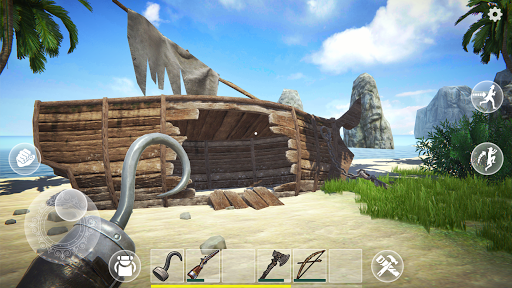
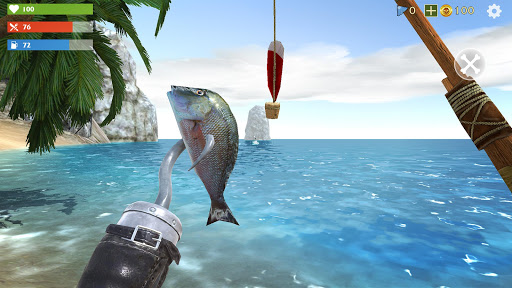
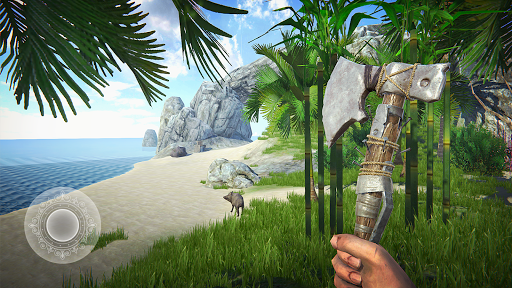
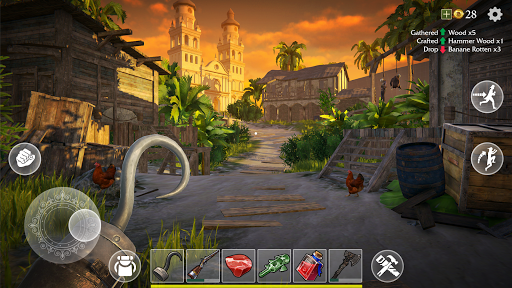
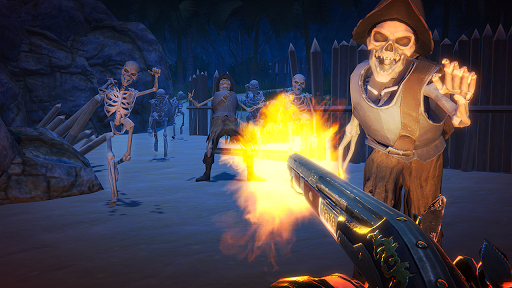
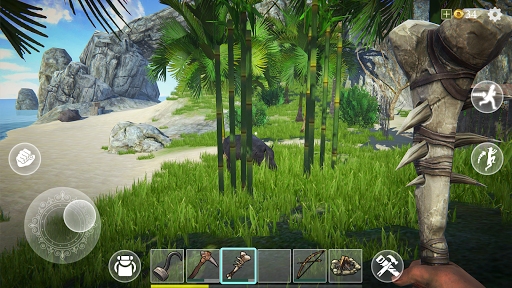
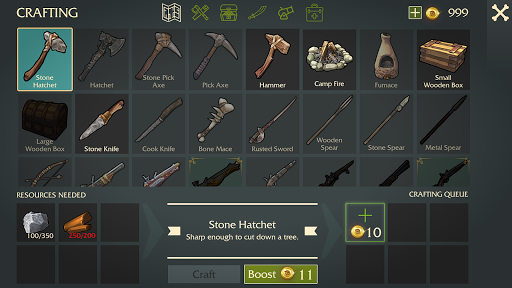
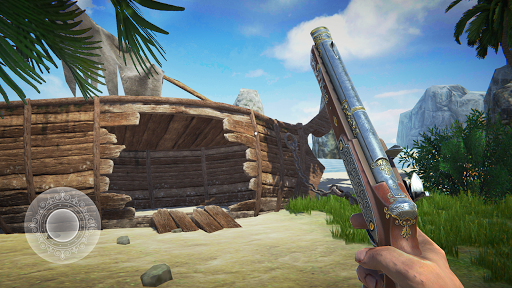
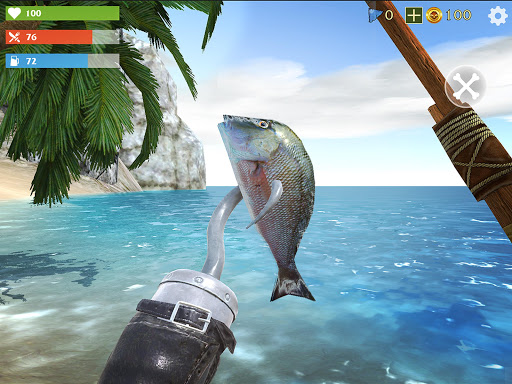
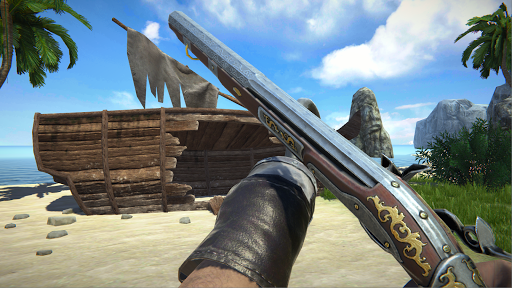
Last Pirate: Survival Island Adventure lands in that messy but compelling corner of mobile gaming where ambition clearly outweighs polish, and in this case that is mostly a compliment. After spending real time with it, the game left me with the same impression I get from the best mid-tier survival games on mobile: it can be clunky, sometimes annoying, occasionally unfair, and still very hard to put down. The first hour is the roughest part. You wash up on an island, start scraping together basic resources, and the game does not do a particularly elegant job of teaching you how to thrive. Movement and action are standard enough for the genre, but there is a definite learning hump. Early on, I spent a lot of time trying to understand what mattered most: food, water, crafting progression, or base survival. The answer is all of them, and that is both the game’s appeal and its first major weakness. Last Pirate throws you into a survival loop that feels satisfying once it clicks, but there is a real chance that some players will bounce off before it does. Stick with it, though, and the game opens up nicely. Resource gathering has a good rhythm to it. Chopping trees, mining stone, hunting for supplies, checking barrels and containers, and turning raw materials into better gear gives the game a strong “one more task before I log off” pull. I found myself regularly setting tiny goals—repair a tool, cook food, finish part of the ship, upgrade equipment—and then accidentally playing much longer than planned. That progression loop is the app’s biggest strength. It constantly gives you practical reasons to keep moving, and it avoids the dead feeling some survival games have where you gather materials just for the sake of gathering them. The pirate theme also helps it stand out. This is not a pure wilderness sim, and it is not just another zombie survival clone. The game mixes stranded-on-an-island survival with undead threats, fantasy monster encounters, treasure-map adventure flavor, and shipbuilding. That combination gives the world more personality than I expected. There is a nice tension between the tropical island setting and the darker, stranger elements lurking around it. The day-night cycle contributes a lot here. Daytime is the planning phase; night feels like a genuine threat. When darkness falls and hostile enemies start closing in, the game gains urgency fast. A second clear strength is the amount of stuff to do. Even though the world is not infinite and the systems are fairly straightforward by PC survival standards, the game packs in enough crafting, combat, exploration, fishing, and building goals to feel substantial on a phone. I never had the impression of a one-note loop. You are not just feeding meters. You are gradually trying to become safer, stronger, and more capable, and the ship objective gives the whole experience a useful sense of direction. The third major strength is that it works well as an offline time-sink. This matters more than it sounds. Last Pirate feels like the kind of game you can dip into on a commute, on a flight, or whenever you want a survival game that does not depend on matchmaking or persistent online pressure. It is also not overly aggressive about forcing purchases into the core experience. You can make progress through play, and that makes the challenge feel more earned. That said, the rough edges are impossible to ignore. Combat is serviceable rather than excellent. Melee fighting in particular can feel awkward, with dodging, spacing, and hit timing not always coming together as smoothly as you want. Enemies can hit hard, and weapon durability adds friction on top of that. In theory, durability supports the survival fantasy; in practice, it sometimes crosses into irritation, especially when repair materials are not easy to replace. There were stretches where I felt less like a clever survivor and more like a maintenance worker constantly rebuilding the same gear. Resource pressure is another mixed bag. Hunger and thirst create tension, but the meters can drain quickly enough to become distracting rather than immersive. Instead of adding atmosphere, they occasionally push the game toward busywork. Fishing and food gathering should feel like a break from danger, but sometimes they feel like chores you must rush through before the next problem arrives. The presentation is similarly uneven. The island has atmosphere, and some areas genuinely look good for a free mobile title, but visibility can be frustrating in darker interiors and nighttime segments. There is a fine line between moody and murky, and Last Pirate crosses it now and then. The interface and controls also show their limitations when building, targeting, or managing tense fights. None of this ruins the game, but it repeatedly reminds you that you are playing a scrappy mobile survival title rather than a polished premium adventure. Who is this for? Players who enjoy crafting loops, survival pressure, and gradual progression will find a lot to like here. If you can tolerate a difficult opening, some grind, and a little mechanical roughness, Last Pirate delivers that rewarding survival-game feeling where your base, tools, and competence slowly improve through effort. It is especially good for people who want an offline adventure with real stakes and enough systems to stay interesting. Who is it not for? If you dislike trial-and-error starts, get annoyed by durability systems, or want smooth, effortless combat and navigation from minute one, this probably will not be your game. It also is not ideal for someone looking for a calm builder. This is a harsher, more demanding experience than its tropical setting initially suggests. In the end, Last Pirate: Survival Island Adventure succeeds because it is genuinely absorbing. It may stumble over onboarding, balancing, and polish, but the survival loop is strong enough to carry the experience. I came away frustrated at moments, but I also kept coming back, and that usually tells the real story.