Apps Games Articles
Minecraft
Mojang
Rating 4.5star icon
Editor's summary
Editor rating
star icon star icon star icon star icon
half star icon
4.5

One-line summary Minecraft remains one of the best sandbox games on mobile because it gives you unmatched freedom to build, survive, and play across platforms, but occasional bugs, awkward update side effects, and some mobile friction keep it from feeling flawless.

  • Installs

    50M+

  • Developer

    Mojang

  • Category

    Arcade

  • Content Rating

    Everyone 10+

  • Latest version

    1.20.41.02

  • Package

    com.mojang.minecraftpe

In-depth review
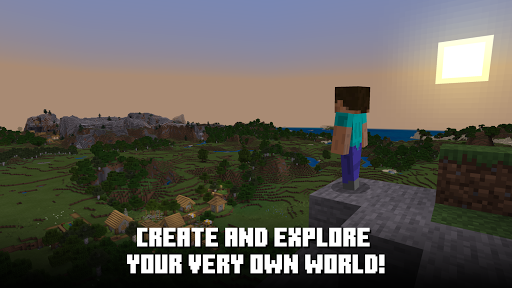
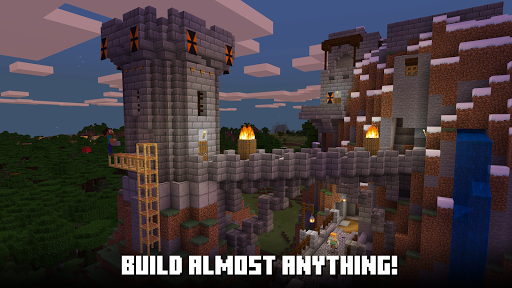
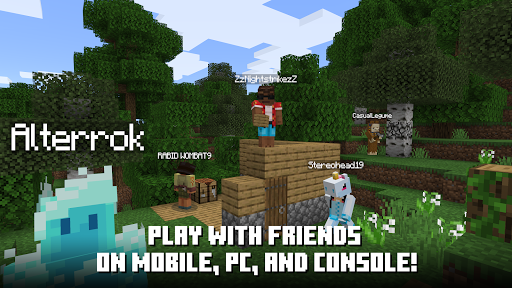
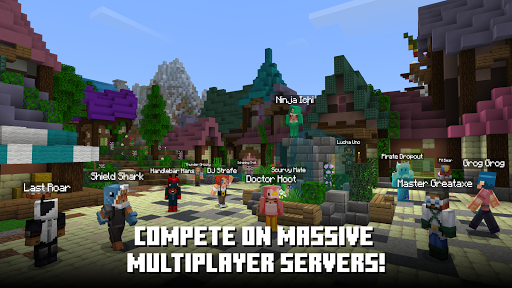
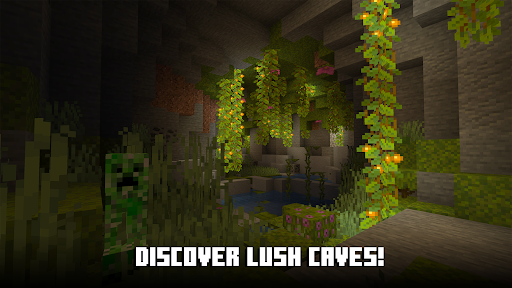
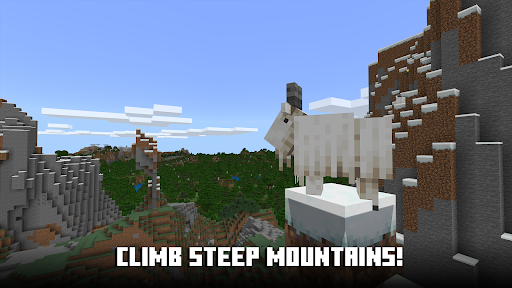
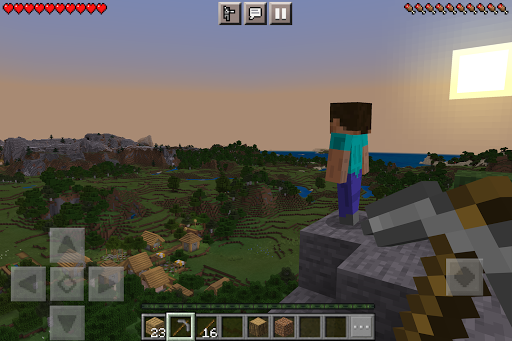
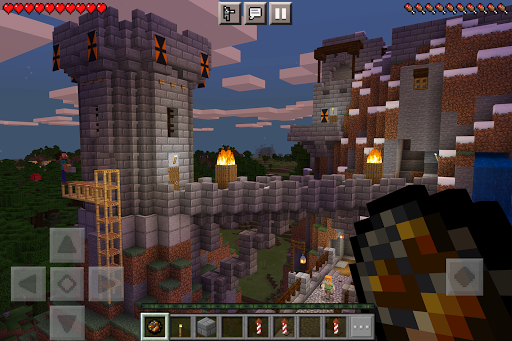
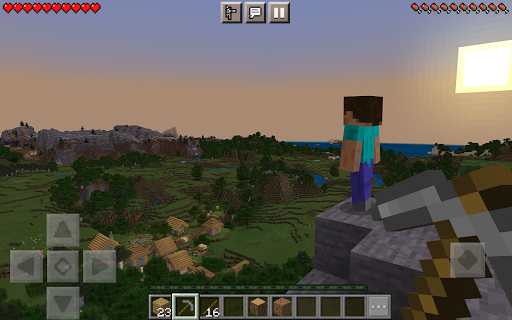
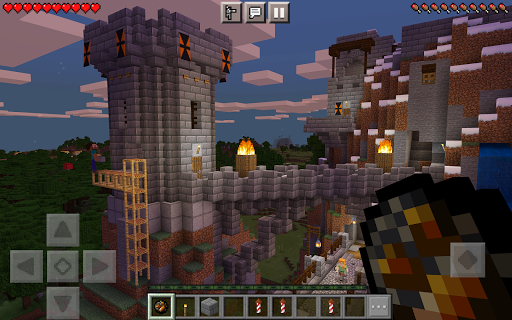
Minecraft on Android still feels like one of those rare games that can absorb an afternoon or an entire month depending on how deeply you want to sink into it. After spending real time with the mobile version, what stands out most is not just how much there is to do, but how comfortably the game now fits on a phone or tablet. This is no longer a stripped-down novelty. It feels like a full-featured way to play Minecraft, with all the creativity, survival tension, and low-key wonder that made the game a phenomenon in the first place. The basic loop is as compelling as ever. Drop into a world, punch trees, gather materials, build shelter, and slowly turn a patch of wilderness into something personal. That formula is old enough to be familiar, but on mobile it still has surprising freshness because the world generation keeps serving up different landscapes and different moods. One session might become a relaxed building project by a river; the next turns into a tense scramble for coal and food before nightfall. Minecraft is still excellent at creating stories out of systems rather than scripted events, and that quality translates beautifully to Bedrock on mobile. The biggest strength here is freedom. In Creative mode, the app is almost toy-box perfect: limitless materials, instant experimentation, and a clean sense that any idea can become a structure if you have the patience to place the blocks. On a touchscreen, building can actually feel wonderfully direct. Tapping out walls, bridges, farms, and towers has a satisfying rhythm once the controls click. Switch to Survival mode and the same world suddenly becomes much more demanding. Resources matter, combat matters, shelter matters, and the game gains a sharp edge that balances all the peaceful building. That contrast between calm creativity and light survival pressure is still Minecraft's magic trick, and the app delivers it well. The second major strength is how much the mobile controls have matured. Earlier versions of Minecraft on phones could feel clumsy, especially in combat or precise building, but today's control options are far more flexible. After some tweaking, movement, mining, crafting, and inventory management become natural enough that it is easy to stop thinking about the device and just play. It is still not the ideal format for everyone, especially if you do a lot of fast PvP or intricate redstone work, but for general play the controls are in a much better place than they used to be. The third strength is accessibility. This version makes Minecraft easy to fit into everyday life. You can jump in for ten minutes to gather resources or spend an hour expanding a base. Cross-platform play is also a meaningful advantage in actual use, not just a bullet point. Being able to join friends without turning the experience into a hardware problem is one of the app's most practical selling points. Add the fact that there are no ads interrupting play, and the experience feels cleaner and more respectful than many mobile games in the same broad category. That said, Minecraft on mobile is not frictionless. The first recurring weakness is bugs, and they tend to show up in exactly the kind of places that can sour a long-running world. During testing, most sessions were stable, but Minecraft still has that familiar Bedrock tendency to behave strangely around edge cases: villager behavior can get weird, textures can occasionally glitch, and certain systems feel just temperamental enough that you hesitate before calling them fully polished. None of this ruins the game, but it does chip away at confidence, especially if you are the kind of player who invests heavily in farms, trading halls, or customized setups. The second weakness is that mobile still has some annoying management friction. World handling and device-to-device movement do not feel as seamless as they should for such a mature app. If you regularly switch devices or expect your worlds and content to follow you effortlessly, the process can feel more manual and finicky than ideal. The same goes for certain customization paths. Add-ons, skins, and texture packs are part of Minecraft's appeal, but using them on mobile can feel less intuitive than it ought to, especially when modifications start affecting achievements or compatibility. The third weakness is the update experience. Minecraft is a live game, and that usually means fresh content and useful fixes, which is great. But it also means occasional disruption. Control changes can throw off muscle memory, visual features may not be available on every device, and updates can interfere with mods or custom content. In day-to-day play, that can make the app feel slightly less stable than its age and reputation would suggest. Even with those drawbacks, this is still an easy game to recommend for a wide audience. It is ideal for players who want a sandbox with enormous creative range, families looking for something approachable, and friends who want an easy multiplayer world to share. It is also great for players who enjoy setting their own goals rather than following a narrow campaign. If you like experimentation, exploration, building, and emergent gameplay, Minecraft remains almost unmatched. It is less suited to people who want strong direction, a tightly paced story, or a pick-up-and-master control scheme with zero setup. If you are impatient with occasional bugs, menu fiddling, or system quirks, the mobile version can test that patience. And if your main interest is highly precise competitive play or complex customization, you may still feel the limitations of the platform. But judged as a mobile game you can live in for years, Minecraft remains remarkably strong. It is inventive, flexible, replayable, and genuinely hard to put down once a world starts taking shape. The app does not feel perfect, and some long-standing rough edges are still visible, but the core experience is so rich and so consistently rewarding that most of those flaws become detours rather than deal-breakers. For sheer creativity and longevity on mobile, Minecraft is still one of the platform's defining games.