
Apps Games Articles
DOP 4: Draw One Part
SayGames Ltd
Rating 4.5star icon
Editor's summary
Editor rating
star icon star icon star icon star icon empty star icon
4.3

One-line summary DOP 4 is an instantly charming, low-pressure puzzle game that makes drawing feel clever rather than difficult, but its ad interruptions and occasional fuzzy puzzle logic can wear down the fun.

  • Installs

    100M+

  • Developer

    SayGames Ltd

  • Category

    Puzzle

  • Content Rating

    Everyone 10+

  • Latest version

    1.1.58

  • Package

    com.playstrom.dop4

In-depth review
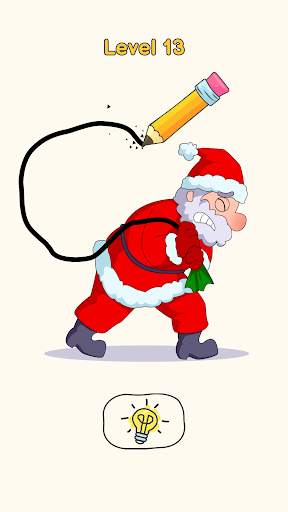
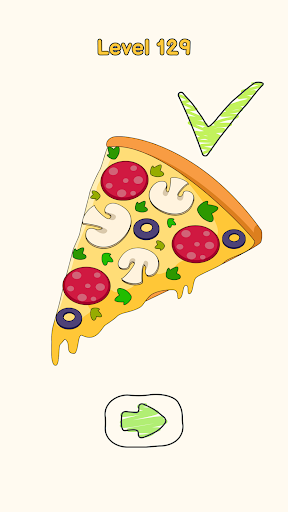
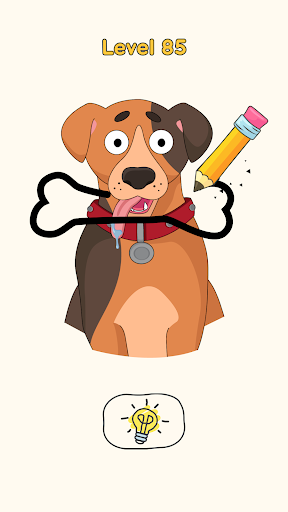
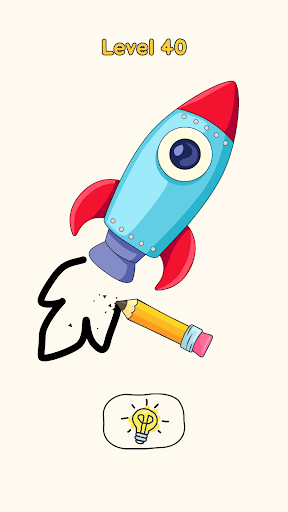
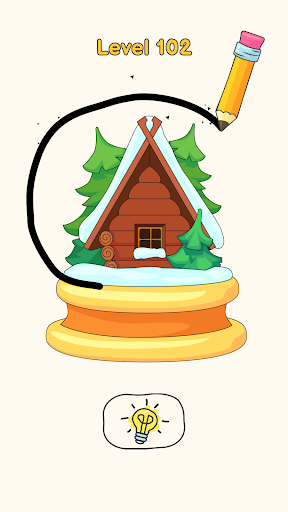
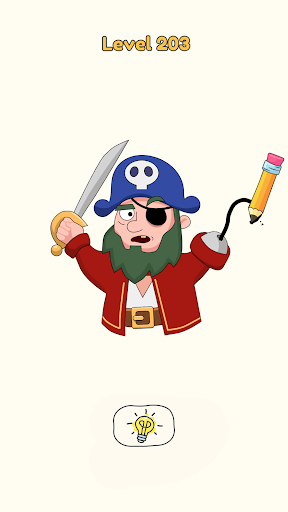
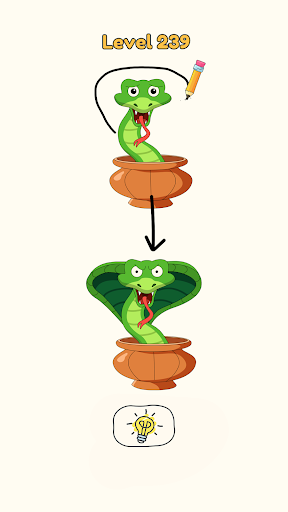
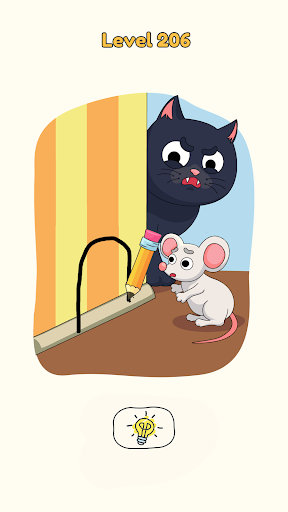
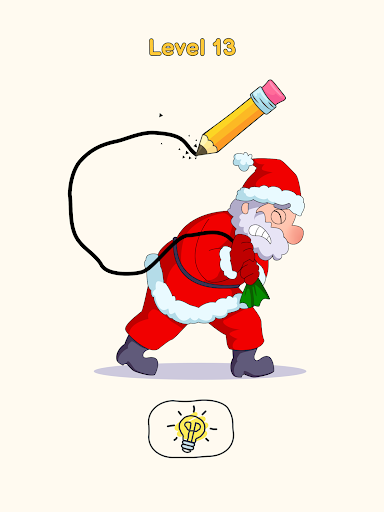
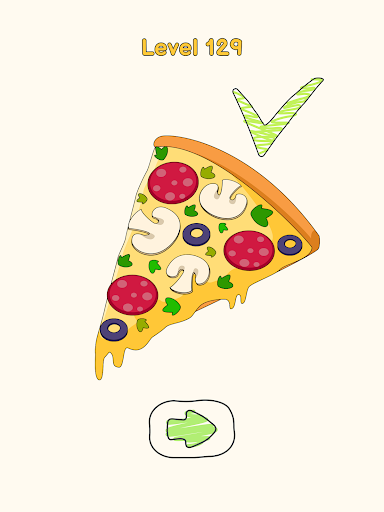
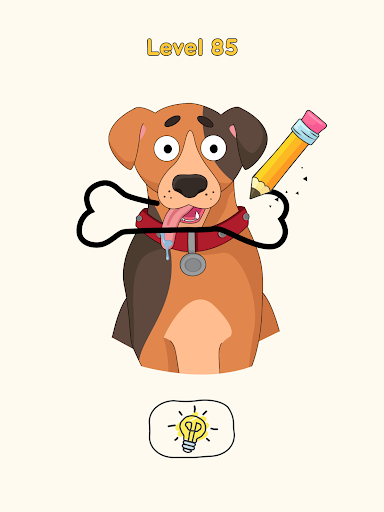
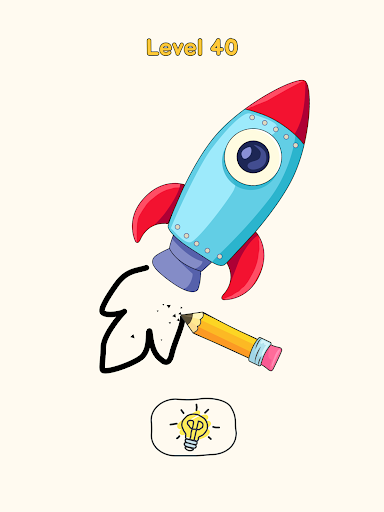
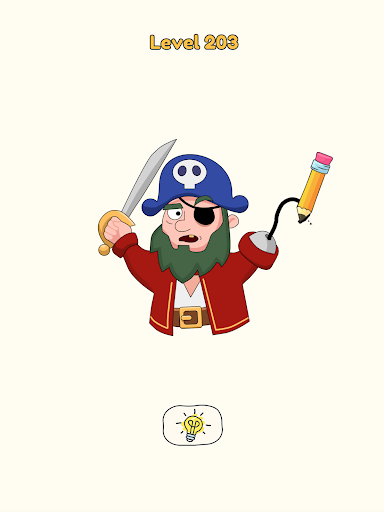
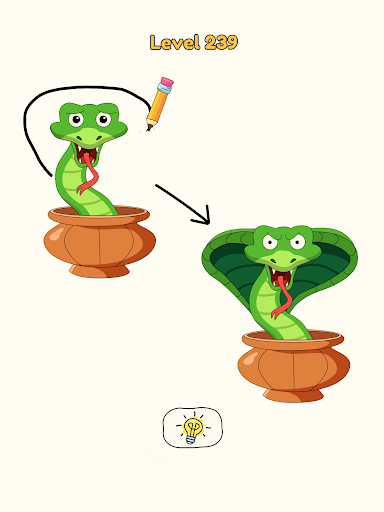
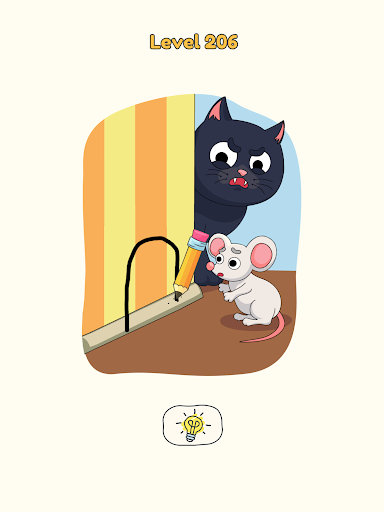
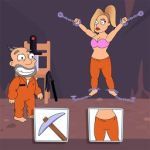
DOP 4: Draw One Part understands something a lot of mobile puzzle games forget: not every brain teaser has to feel like homework. After spending time with it, what stood out most was how quickly it gets you into its rhythm. A picture appears with something missing, you sketch the absent piece with your finger, and the game decides whether your answer is close enough. It is a simple premise, but it works because the interaction is tactile, immediate, and pleasantly silly. You are not really being judged as an artist here; you are being asked to notice what is wrong, think for a second, and doodle your way to the answer. That low barrier to entry is the first big strength. DOP 4 is easy to understand within seconds, and it feels welcoming even if you cannot draw well. In practice, the game is fairly generous about accepting rough outlines as long as you identify the right missing object or shape. That keeps the experience light and accessible. I never felt like I had to wrestle with precise controls or produce a perfect sketch. The challenge is mostly in seeing the joke or the logic of the scene, not in mastering any art tool. For a casual mobile game, that is exactly the right call. The second strength is pacing. Levels are short, often just a few moments long, which makes the game excellent for quick sessions. It is the kind of app you open while waiting in line, taking a break, or winding down at the end of the day. There is a nice little dopamine hit when a solution clicks and the drawing fills itself in. The better levels land with a small “of course” moment, which is always satisfying in this kind of puzzle design. Even when the puzzles are easy, they are usually entertaining enough to keep the momentum going. The presentation helps too, and that is the third clear plus. DOP 4 has a bright, approachable visual style that suits its lightweight tone. The drawings are clean and readable, and the whole app feels built around keeping you moving instead of burying you in menus or complexity. There is a playful quality to the scenarios that makes the game feel a bit more alive than a sterile logic app. It is not trying to be a hardcore puzzler; it is trying to be cheerful, and it succeeds. Still, the longer I played, the more its weak spots became hard to ignore. The biggest one is ads. In a game where levels are intentionally short, ad frequency matters a lot, because even a brief interruption feels bigger when each stage only lasts a few seconds. DOP 4 can slip into that all-too-familiar mobile pattern where you spend less time solving puzzles than you would like and more time waiting to get back to them. Depending on how often they appear in your session, the ad load can range from mildly annoying to momentum-killing. This is the single biggest reason I would hesitate to recommend it without reservation. The second issue is puzzle consistency. Most of the time, the game’s logic is clear enough, but every so often I ran into a level where the intended answer felt a little arbitrary. That is a problem in a title built around quick recognition. When you fail, it should feel like you missed something obvious; here, there are moments where it instead feels like the app wanted one very specific interpretation. The built-in leniency around drawing helps, but it does not fully solve the occasional mismatch between what the image suggests and what the game expects. The third weakness is that DOP 4 does not evolve all that much. The core mechanic is fun, but it is also narrow. After a longer stretch, the formula starts to blur together. That is not fatal for a pick-up-and-play game, but it does limit how compelling it feels over extended sessions. I enjoyed it most in short bursts. When I tried to play for a long time, the repetition became more noticeable, especially once I had seen enough variations on “spot the missing piece and draw it.” There are also a few minor quality-of-life frustrations that can chip away at the smoothness. The game is at its best when you can dip in and out effortlessly, so any feeling of interruption, whether from ads or from the app not resuming as gracefully as you would like, stands out more than it would in a deeper, longer-form game. So who is this for? DOP 4 is a very good fit for casual players, kids, families, and anyone who likes simple puzzle games with a creative twist. It is especially good for people who want something relaxing rather than stressful, and for players who enjoy visual riddles but do not want the punishing difficulty of more serious brain teasers. It also works well for those short, idle moments when you want a game that starts instantly and does not demand much commitment. Who is it not for? If you hate mobile ads, want deep puzzle systems, or expect every level to have airtight internal logic, this probably will not hold your attention for long. Likewise, players looking for a more skill-based drawing experience may find that the game’s forgiving input system makes the drawing itself feel secondary. Overall, DOP 4: Draw One Part is a clever, friendly puzzle app that gets a lot right. It is easy to like because it feels playful, accessible, and genuinely good at delivering small bursts of satisfaction. Its main problems are familiar mobile ones rather than fundamental design failures. If you can tolerate the interruptions and accept that not every puzzle is a masterpiece of logic, there is a lot of breezy fun here.
Alternative apps