Apps Games Articles
Jigsaw Puzzles - Block Puzzle
Jigsaw Puzzles Berlin
Rating 4.6star icon
Editor's summary
Editor rating
star icon star icon star icon star icon
half star icon
4.5

One-line summary Choose it for the genuinely clever blend of block-clearing and picture-building relaxation, but hesitate if you need cloud saves, perfect ad restraint, or a game with endless fresh content.

  • Installs

    50M+

  • Developer

    Jigsaw Puzzles Berlin

  • Category

    Puzzle

  • Content Rating

    Everyone

  • Latest version

    108.0

  • Package

    com.block.jigsaw.puzzle.gallery

In-depth review
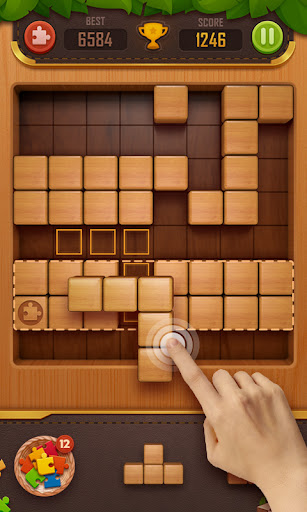
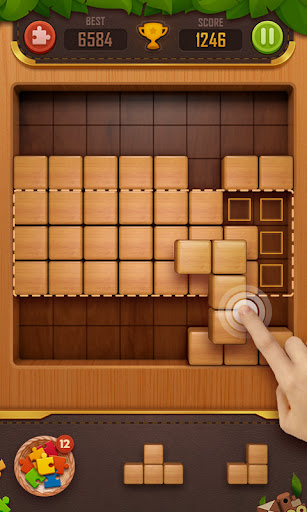
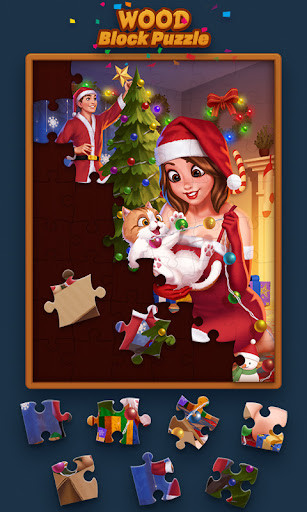
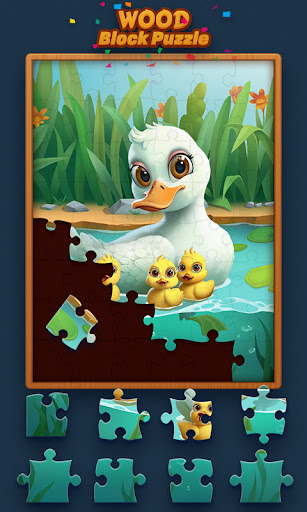
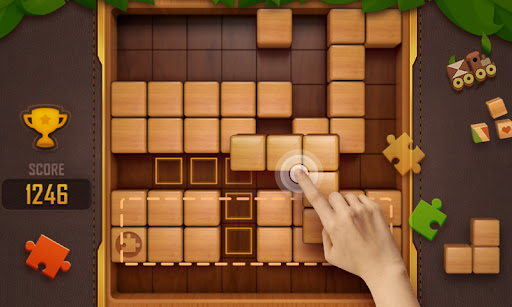
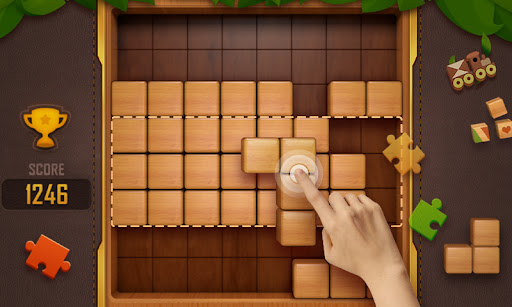
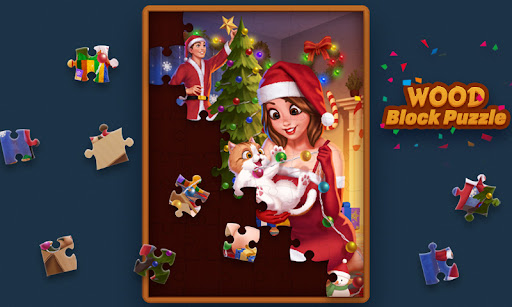
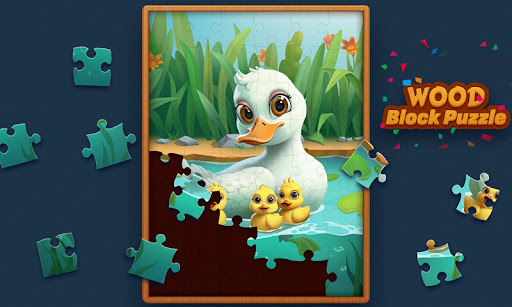
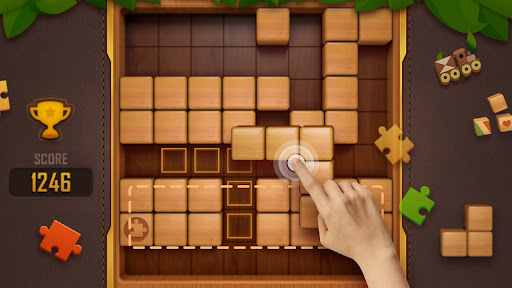
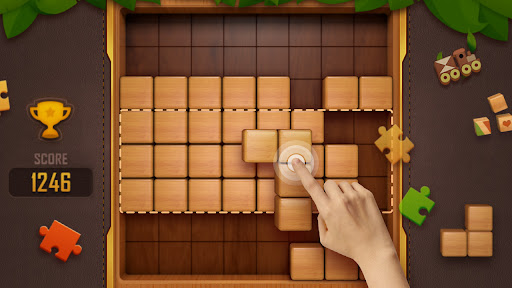
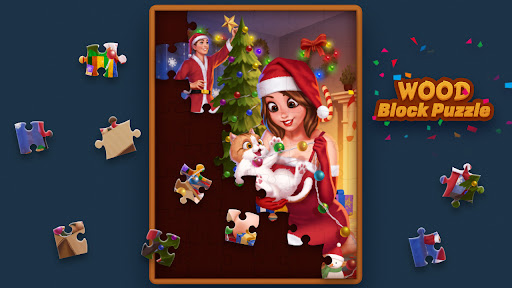
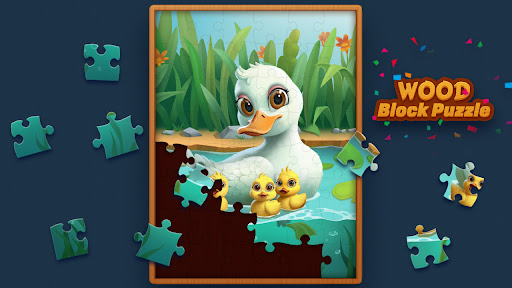
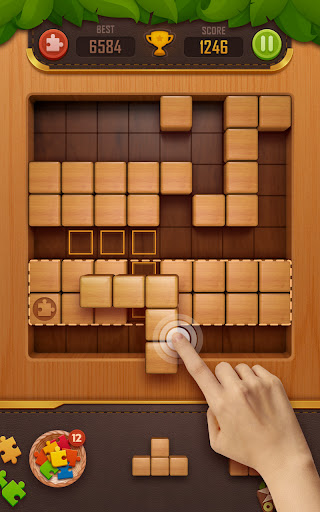
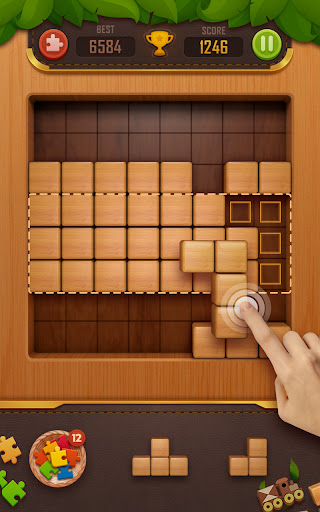
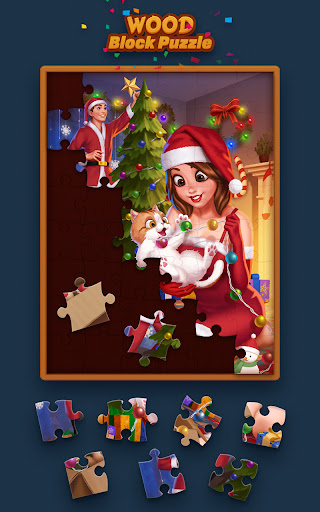
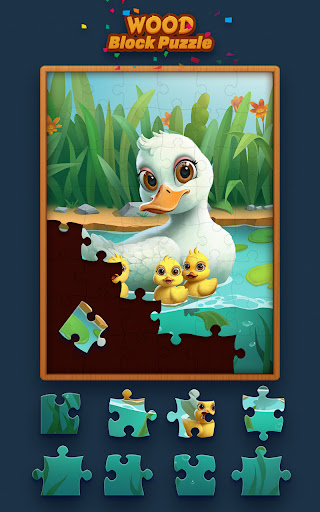
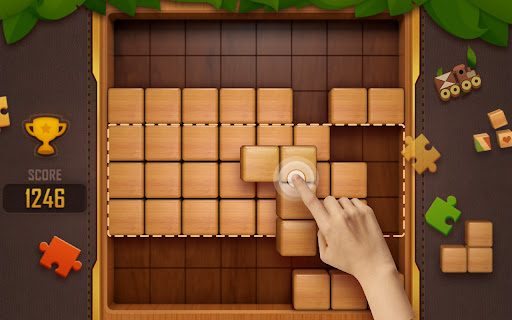
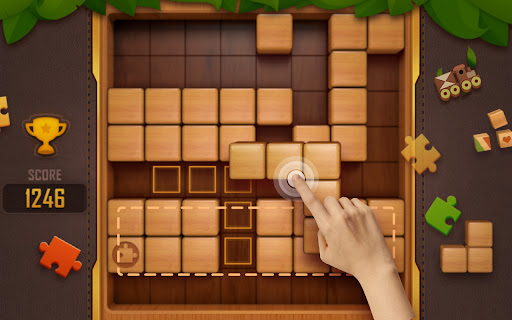
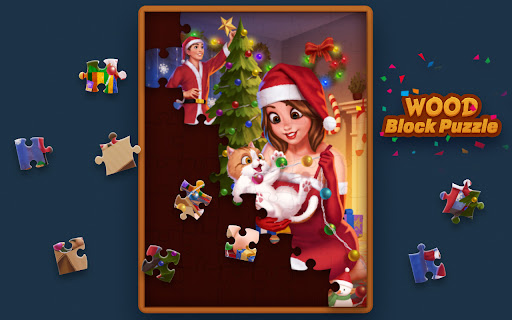
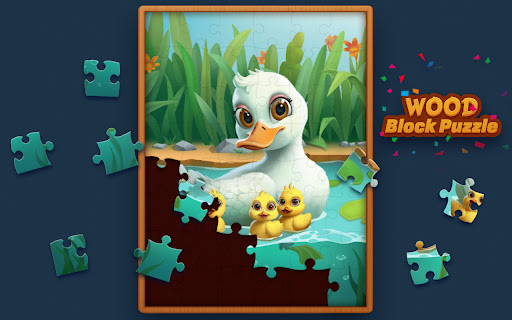
Jigsaw Puzzles - Block Puzzle is one of those mobile games that sounds like a throwaway mash-up until you actually spend time with it. After playing it for a while, I came away understanding why it has such a broad audience: it takes two familiar casual formats, the block-placement puzzle and the jigsaw puzzle, and links them in a way that gives each one a reason to exist. The result is more engaging than either half would be on its own. The core loop is straightforward. You place block shapes on a grid, clear lines, and earn jigsaw pieces. Those pieces then let you assemble picture puzzles, which unlock artwork and small gallery-style rewards. In practice, that structure works extremely well. The block mode gives the app momentum; the jigsaw mode gives it payoff. You are not just chasing a score for its own sake, and you are not opening a static puzzle screen detached from the rest of the app. Everything feeds into the next activity, which makes the whole experience feel more cohesive than many free puzzle apps. What impressed me most in daily play is the tone. This is not a twitchy, high-pressure puzzle game. It is built to be calming. The jigsaw sections especially land that mood well, with attractive images, soft presentation, and a pace that invites you to settle in rather than rush. It is the sort of game that works well in short breaks, but it is also easy to play for longer than intended because the loop has a pleasant “just one more board, just a few more pieces” quality. I found myself opening it for a quick session and staying for several cycles because the transition from block puzzle to picture assembly is satisfying every time. That hybrid design is the app’s biggest strength, and it is supported by two other things it does well. First, the visual reward structure is smart. The unlocked images and animated touches give you a concrete sense of progress, which matters in a category where many games start to feel abstract after a few sessions. Second, it is accessible. You do not need a long tutorial, and you do not need to be a puzzle expert to enjoy it. The rules are easy to grasp, the sessions are manageable, and the game generally avoids punishing the player harshly for mistakes. That makes it a good fit for a wide audience, including kids, adults looking for a low-stress time-filler, and players who usually bounce off more demanding puzzle games. Still, this is not a flawless recommendation. The first annoyance is advertising. By free-to-play standards, it is not the worst I have seen, and there are stretches where the ads feel fairly restrained. But the experience is inconsistent enough that they remain part of the review. When the rhythm is flowing, even a short interruption feels more noticeable, especially in a game whose biggest appeal is relaxation. If you are highly sensitive to ad breaks, this title may test your patience more than its cozy presentation suggests. The second issue is that some of its systems feel underdeveloped. The app gives the impression of having extra progression hooks, but not all of them feel meaningful. There is a sense that certain rewards exist because mobile games are expected to have them, not because they are fully integrated into the experience. That does not ruin the game, but it does make parts of the interface feel less purposeful than the main loop deserves. The third weakness is longevity. For a while, the game does a good job of hiding repetition because the two-part structure keeps things fresh. But after enough sessions, you start to notice the edges. Some players will eventually want more variety in mini-games, more customization, or simply more content to keep the formula from plateauing. This is especially true if you become invested in the collection aspect. The app is easy to love in the medium term; whether it remains exciting in the long term depends on how much repetition you tolerate. There are also a few smaller quality-of-life frustrations. Progress persistence is the one I would watch most closely. A game built around unlocking books, pictures, and long-term collection progress feels like it should protect that investment more robustly. Likewise, some visual choices in puzzle scenes can make pieces harder to read than they should be. Neither problem destroys the experience, but both stand out because the rest of the game is trying so hard to be smooth and approachable. Who is this app for? It is for players who want a relaxing puzzle game with a little more structure than a basic jigsaw app and a little more personality than a standard block-drop clone. It is especially good for people who like calm repetition, collectible progress, and games they can dip into offline or in spare moments. It is not ideal for players who want deep strategic systems, constant novelty, complete transparency in progression, or strong account and save features. My overall take is very positive. Jigsaw Puzzles - Block Puzzle succeeds because its central idea is stronger than its name suggests. The block game gives the jigsaw mode purpose, and the jigsaw mode gives the block game charm. Even with ads, some undercooked progression elements, and eventual repetition, I kept coming back to it because it feels pleasant to use and easy to recommend to the right audience. It is not the most refined puzzle app on Android, but it is one of the more inviting ones, and that counts for a lot.