
Apps Games Articles
Pixel Car Racer
Studio Furukawa
Rating 4.6star icon
Editor's summary
Editor rating
star icon star icon star icon star icon
half star icon
4.5

One-line summary Pixel Car Racer is one of the best mobile racers for tuning obsessives thanks to its deep customization and ad-free retro charm, but its rough onboarding and unfinished-feeling progression keep it just short of greatness.

  • Installs

    10M+

  • Developer

    Studio Furukawa

  • Category

    Racing

  • Content Rating

    Everyone

  • Latest version

    1.2.0

  • Package

    com.StudioFurukawa.PixelCarRacer

In-depth review
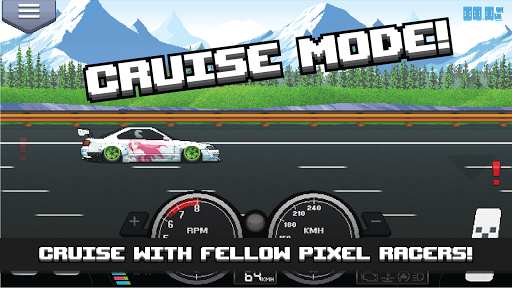
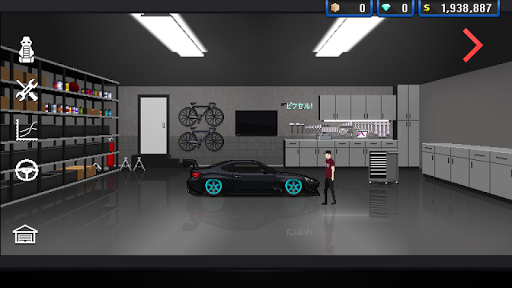
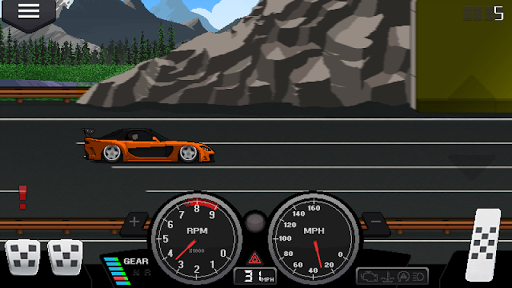
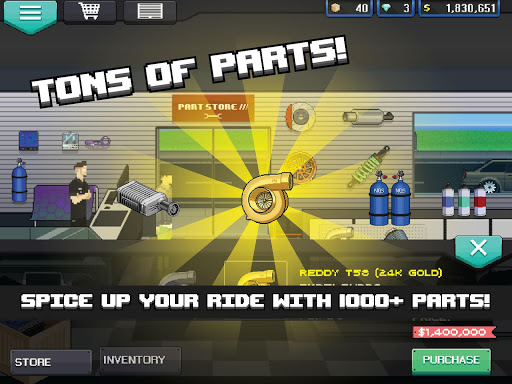
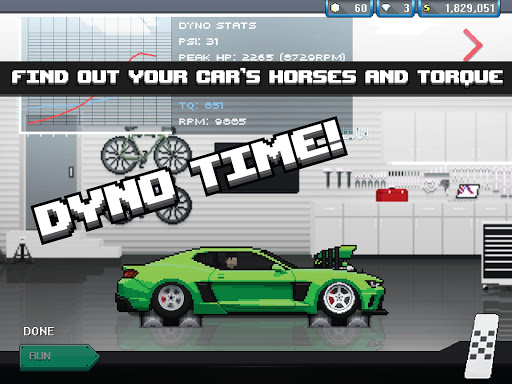
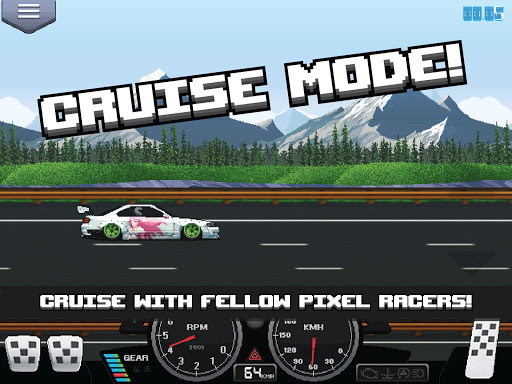
Pixel Car Racer feels like a love letter to car culture that somehow slipped onto mobile without picking up most of the baggage that usually comes with the platform. After spending time with it, what stood out immediately was how confident it is about what it wants to be: not a flashy, cinematic racer trying to imitate console games, but a compact, pixel-art garage-and-racing sandbox built for people who care about builds, tuning, and shaving fractions off their times. The first surprise is how clean the experience feels. There are no ads constantly breaking the rhythm, and that alone changes the mood of the game. Instead of being interrupted every few taps, you can settle into a satisfying loop of buying a car, adding parts, tuning gearing, testing runs, earning cash, and then going back into the garage to tinker some more. On a phone, that kind of uninterrupted flow matters, and Pixel Car Racer benefits from it more than most. It also runs smoothly in a way that matches its visual style. The pixel presentation is simple, but not cheap-looking; it has personality. Cars, menus, and races all have a crisp retro aesthetic that makes the whole thing feel cohesive rather than merely low-resolution. The real hook, though, is customization. This is where Pixel Car Racer separates itself from a lot of mobile racing games that treat customization as a thin cosmetic layer. Here, the garage is the game. There is a genuinely impressive amount to do with your cars, from visual tweaks to performance parts and tuning decisions that actually matter. You are not just swapping colors and wheels. You are thinking about setup, power delivery, shifting, and whether a build is aimed at drag racing efficiency or broader street performance. The tuning has a light RPG flavor to it, but it still captures enough mechanical flavor to feel meaningful. If you are the kind of player who enjoys spending as much time in menus as on the track because the menus lead to a better machine, this game absolutely gets its claws into you. That depth also makes the driving more rewarding than the tiny screenshots suggest. Drag mode is the star. Manual shifting, launch timing, and the feel of dialing in a faster run create the kind of repeat-play loop that keeps you saying “one more race.” The game does a good job of making small improvements feel tangible. A part upgrade, a gearing adjustment, or a cleaner shift can translate into visible progress, and that sense of mechanical cause and effect is what gives Pixel Car Racer its staying power. Street racing and cruising add variety, but the game is at its best when it is focused on build-test-refine repetition. That said, Pixel Car Racer is not especially welcoming at the start. The onboarding is thin, and if you are not already familiar with tuning terminology or the logic of drag racing, the early hours can feel more confusing than they should. The game often assumes a base level of car enthusiasm. That is great for enthusiasts, but not ideal for newcomers who might not know why a certain part matters or how to get the most from manual shifting and tuning systems. A stronger tutorial, better previews, and clearer explanations would make the first hour much less opaque. The second issue is that the game occasionally feels unfinished around the edges. Not broken, exactly, but uneven. Some interface choices are clunky, and certain actions can feel less intuitive than they should. Shopping for parts and moving through the garage can become fiddly once your collection grows. There are also little frustrations that break immersion, like occasional bugs, awkward fit on some displays, or features that feel like they stop one step short of being polished. None of this ruins the game, but it does make it feel like a brilliant project that still has a few rough bolts sticking out. The third weakness is progression design. While earning money is not brutally stingy, it can become grindy, especially if you are chasing expensive builds or expanding a garage with multiple specialized cars. There is fun in the climb, but there are moments when you can feel the repetition more than the momentum. The lack of a stronger campaign or story structure also contributes to that. Pixel Car Racer gives you lots to do, but not always a compelling long-term framework to tie it all together. If you thrive on self-directed goals—building a dream car, chasing faster times, collecting favorite models—you may not care. If you need a more guided sense of progression, the game can start to feel a bit samey over time. Still, the strengths outweigh the frustrations. The car roster is broad enough to support different tastes, the tuning is far deeper than most mobile racers dare to attempt, and the no-ads approach makes the app feel unusually respectful of your time. Most importantly, it captures a very specific fantasy well: not just racing cars, but owning, modifying, and understanding them. That is what makes the game memorable. Even when it stumbles, it stumbles while aiming at something more interesting than a typical mobile racer. Pixel Car Racer is for players who love Japanese, European, and American car culture, enjoy fine-tuning builds, and appreciate a retro presentation with real mechanical flavor. It is especially easy to recommend to drag-racing fans and to anyone who likes experimenting in a garage as much as competing on the road. It is less suited to players who want a heavily cinematic racing game, a strong story-driven campaign, or a frictionless beginner experience with lots of hand-holding. In the end, Pixel Car Racer succeeds because it understands its audience. It is not trying to be everything. It is trying to be a deep, replayable, enthusiast-focused racer with personality, and for long stretches, it absolutely nails that brief. If you can tolerate a sparse tutorial, some rough UI edges, and progression that occasionally leans on grind, you will find one of the most distinctive and satisfying car games on mobile.