
Apps Games Articles
Rebel Racing
Hutch Games
Rating 4.5star icon
Editor's summary
Editor rating
star icon star icon star icon star icon
half star icon
4.5

One-line summary Rebel Racing is easy to recommend for its gorgeous, pick-up-and-play street racing and light-touch ads, but the fuel timer, gated content, and grindy upgrade economy can still put a hard ceiling on the fun.

  • Installs

    10M+

  • Developer

    Hutch Games

  • Category

    Racing

  • Content Rating

    Everyone

  • Latest version

    3.10.17584

  • Package

    com.hutchgames.rebelracing

In-depth review
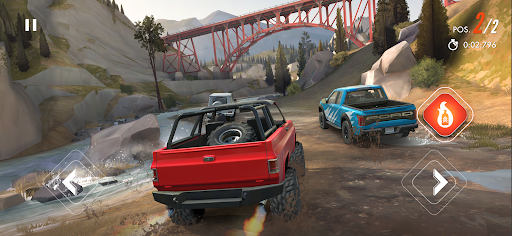
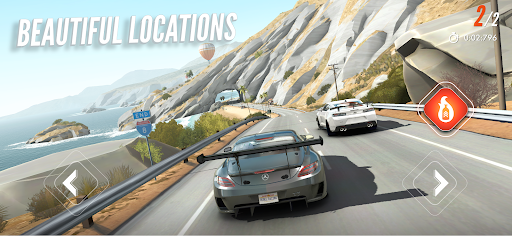
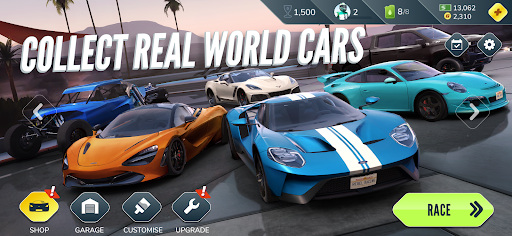
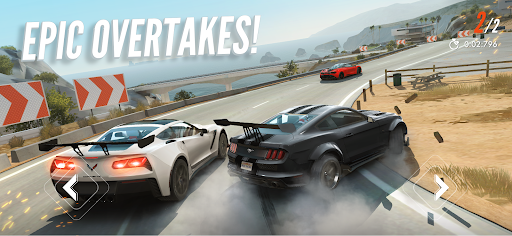
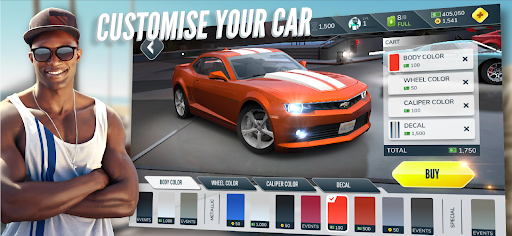
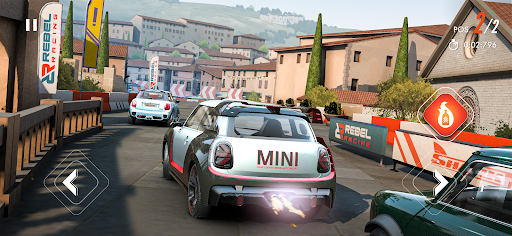
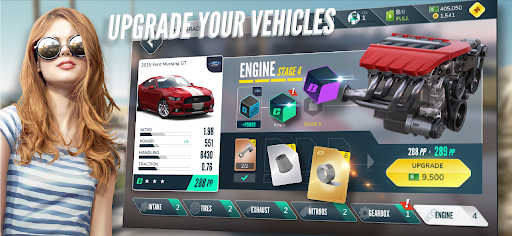
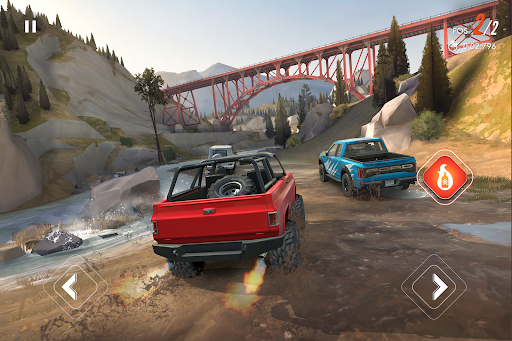
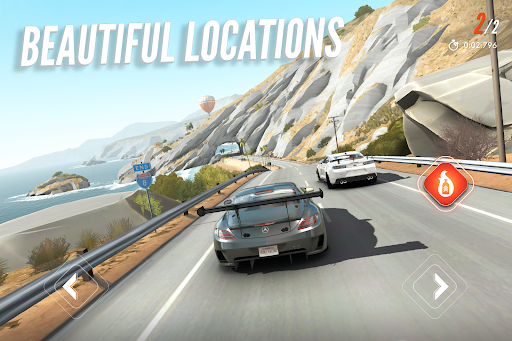
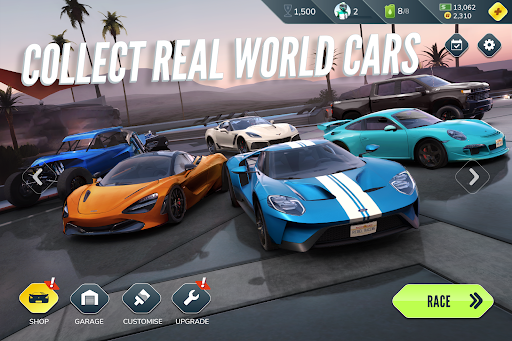
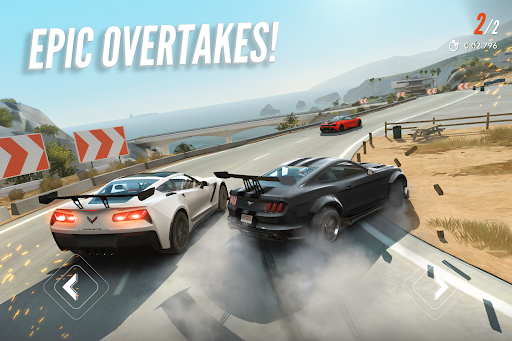
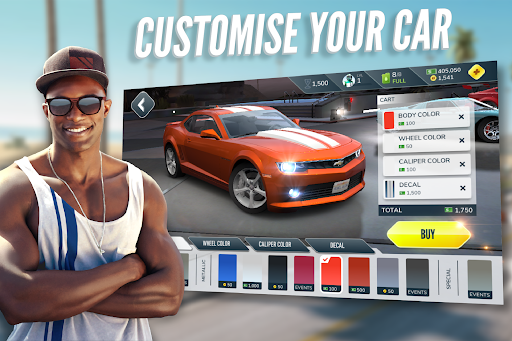
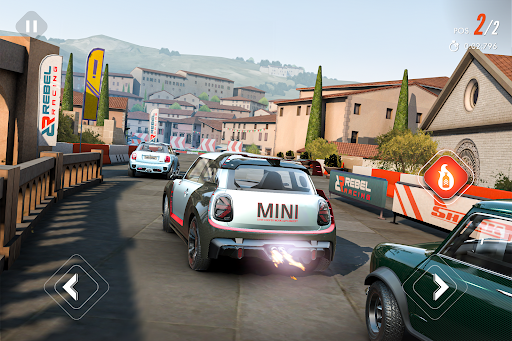
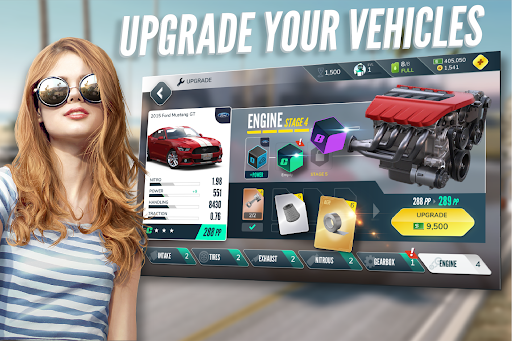
Rebel Racing understands something a lot of mobile racing games forget: most people do not want to spend ten minutes wrestling with menus before they feel fast. From the first few races, this game throws you straight into glossy, high-speed road battles that are immediately readable and satisfying. It has that strong mobile-racing rhythm where you can open the app, run a few events in short bursts, upgrade a car, and leave feeling like you made progress. After spending real time with it, that accessibility is still one of its biggest strengths. The first thing that lands is presentation. Rebel Racing looks excellent for a mobile game. The cars are attractive, the environments have a bright West Coast sheen, and the races do a good job of selling speed without becoming visually messy. Reflections, roadside detail, and the punchy effects during overtakes help the whole thing feel more premium than the average free racer. It is not trying to be a full simulation, and that is the right call. Instead, it aims for a cinematic, compressed version of motorsport where every corner feels designed to set up one dramatic pass. In practice, that makes it very easy to enjoy in short sessions. The second thing it gets right is control simplicity. Steering is the core interaction, and the handling lands in a pleasing arcade sweet spot most of the time. Cars feel distinct enough to make upgrades matter, but the game rarely punishes you with fiddly realism. You can powerslide through corners, squeeze past rivals, and recover quickly enough that races stay exciting. That balance makes Rebel Racing especially approachable for players who want the fantasy of licensed cars and aggressive road racing without the full complexity of console-style sims. Its structure also deserves credit. Progression is paced to keep feeding you something to chase, whether that is a stronger ride, a needed upgrade material, or access to another event. Even without spending money, it is possible to move forward and build a respectable garage if you are patient. Importantly, the ad experience is much less annoying than in many free mobile racers. The ads feel largely optional, typically tied to boosts or extra attempts, so the game does not constantly interrupt the action with forced pitches. That restraint goes a long way toward making the app feel playable rather than predatory. But Rebel Racing is not friction-free, and the biggest annoyance shows up surprisingly quickly: fuel. The game’s energy system puts a strict cap on how long a satisfying session can last. Because races are short, burning through your fuel supply happens fast, and then you are left watching a timer instead of racing. That design may fit the mobile model, but in day-to-day use it is the clearest point where the game stops respecting your momentum. You get into a groove, start tuning a car, maybe finally learn a tricky corner, and then the app tells you to come back later. It is one of those mechanics that never stops feeling artificial. The upgrade economy is the second rough edge. Rebel Racing does a nice job making car improvement feel meaningful, but it can also get sticky in a way that feels more grindy than strategic. Some materials seem to bottleneck progress harder than they should, while others pile up with less use. The result is a familiar free-to-play frustration: not that progress is impossible, but that it can become uneven and oddly dependent on waiting for the right drop rather than simply racing well. When the game is flowing, this is easy to overlook. When you hit a wall with a favorite car, it becomes much more noticeable. The third weakness is variety over the long term. In short sessions, the race format is sharp and addictive. Over longer stretches, though, the game starts to show its limits. Races can feel too brief, track familiarity sets in, and you begin wishing for more modes, more route complexity, or simply longer events that let a comeback build naturally. There is also a sense that some content sits behind specific purchases or special access points, which can leave free players feeling like parts of the game are always just outside reach. It does not ruin the core experience, but it does narrow the sense of freedom. There are a few smaller irritations too. Close-contact racing can occasionally feel awkward, especially when bumping rivals in tight corners. Steering generally works well, but there are moments when the handling feels less consistent than the game’s polished visuals suggest. And while the streamlined control scheme is good for accessibility, players who want more control options may find it limiting. Even with those caveats, I kept coming back to Rebel Racing because the fundamentals are strong. It knows how to make a pass feel dramatic, how to make a garage feel aspirational, and how to deliver a satisfying race in a minute or two. That combination is powerful. This is a great fit for players who want a stylish, low-friction arcade racer they can enjoy in bursts, especially if they care about licensed cars, slick graphics, and progression that does not demand constant ad-watching. It is not the best choice for players who hate energy systems, want deep simulation handling, or expect long, varied race formats with broad control customization. In the end, Rebel Racing succeeds because it makes mobile racing feel glamorous and immediate. Its best moments are genuinely thrilling, and its worst habits are mostly the familiar compromises of the free-to-play format rather than fatal flaws. If you can tolerate the fuel timer and some progression gating, there is a very enjoyable racer here—one of the more polished and casually addictive ones on Android.