
Apps Games Articles
Popsicle Stack
Lion Studios
Rating 4.3star icon
Editor's summary
Editor rating
star icon star icon star icon star icon empty star icon
4.3

One-line summary Popsicle Stack is an easy, oddly satisfying runner that’s great for quick, low-stress play, but repetitive level design, occasional glitches, and ad friction keep it from being a true mobile classic.

  • Installs

    10M+

  • Developer

    Lion Studios

  • Category

    Arcade

  • Content Rating

    Everyone

  • Latest version

    1.0.16

  • Package

    com.northerncoldgames.popsiclestack

In-depth review
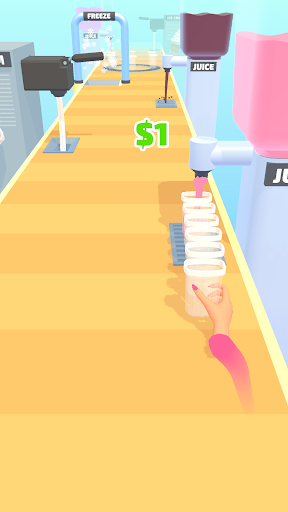
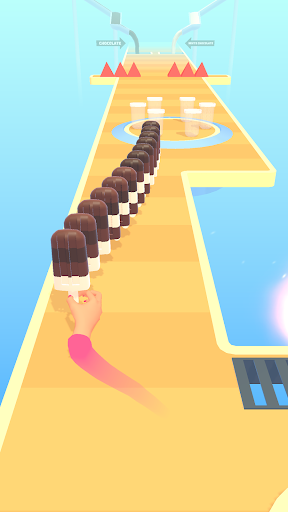
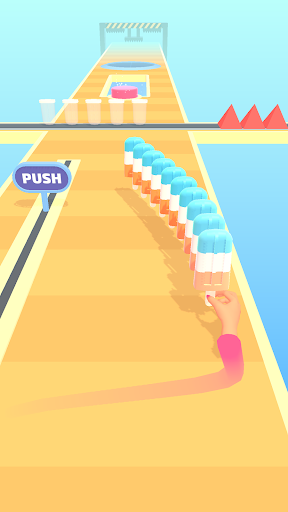
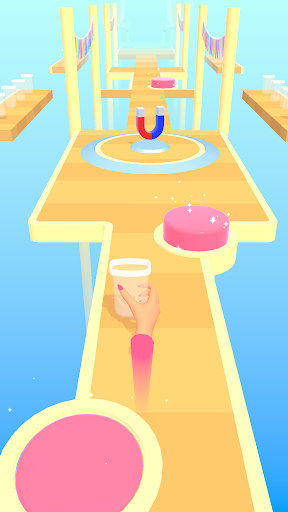
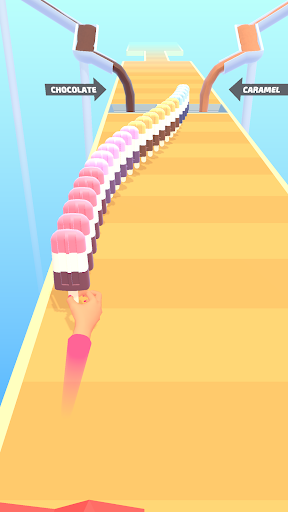
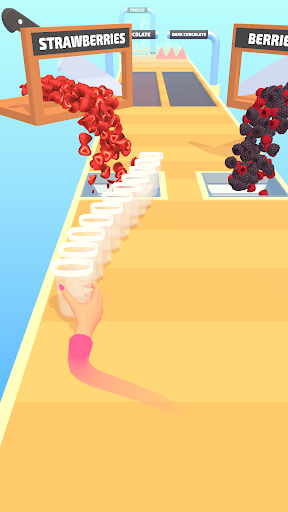
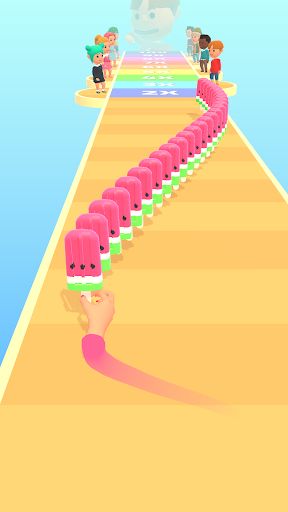
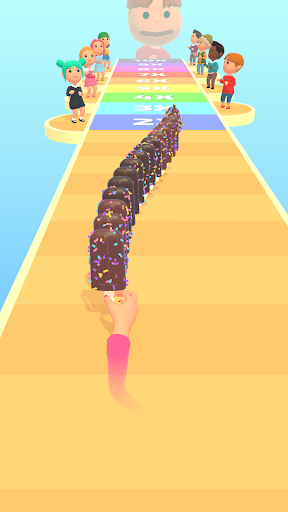
Popsicle Stack knows exactly what kind of mobile game it wants to be. This is not a deep arcade challenge or a strategy-heavy management sim dressed up in dessert colors. It is a bright, tactile, snackable runner built around one simple pleasure: building a long, ridiculous line of frozen treats and cashing them out at the end of each stage. After spending time with it, that focus ends up being both the game’s biggest strength and its biggest limitation. The basic loop is immediate and easy to understand. You guide a line of molds through a track, collect more cups, fill them, freeze them, add sticks, coat them in chocolate or other toppings, and try to avoid losing your stack to obstacles along the way. In practice, it feels closer to the modern “hyper-casual” lane-dodging runner than a true crafting game, but the popsicle-making theme gives it more personality than a generic obstacle course. There is a very specific satisfaction in watching a bare stack turn into colorful finished treats one step at a time. The game leans hard into that visual payoff, and for short sessions, it works. What impressed me first was how readable and approachable the whole thing is. There is almost no learning curve. Within a minute, you understand what to collect, what to avoid, and why bigger stacks matter. That simplicity makes Popsicle Stack a good fit for younger players, casual players, or anyone looking for something to poke at while waiting in line, killing time on the couch, or listening to a podcast. It is the kind of game you can stop and restart without losing the thread. The second strength is how consistently satisfying the action feels when the game is in a groove. The runner controls are straightforward, and the best moments come from threading a tall stack through a narrow path, then watching it get transformed by filling stations and topping sections. The visual rhythm is smart: collect, build, decorate, sell, repeat. Even when the mechanics are simple, the presentation does enough to make progress feel tangible. The upgrades and cosmetic flourishes help too. Reaching later levels and seeing larger or more elaborate popsicles gives the game just enough sense of momentum to keep going for “one more run.” A third thing Popsicle Stack gets right is its low-pressure difficulty curve. Early stages are very forgiving, and even later on the challenge tends to feel gentle rather than punishing. That makes it accessible in a way many runners are not. You do not need perfect reflexes, and failing rarely feels catastrophic. Instead, the game nudges you toward better runs by making larger stacks and cleaner routes more profitable. For a relaxing arcade game, that is the right call. That said, the cracks start to show once the novelty wears off. The biggest issue is repetition. Although the game introduces different stations, toppings, and visual changes, the structure of each run remains very similar. After enough levels, you begin to see the seams: collect the line, dodge the obstacle, dip the popsicle, cash out, repeat. It is enjoyable in bursts, but it does not evolve enough to stay fresh for long stretches. This is a game best consumed in small doses, because marathon sessions reveal how thin the core design really is. The second weakness is technical polish. During my time with the game, it generally ran smoothly, but it did not feel completely free of hiccups. There are moments where movement or transitions feel a little rough around the edges, and the app has the kind of occasional instability common to lightweight runner games. It is not a disaster, but it does chip away at the otherwise smooth, satisfying flow the game depends on. The third annoyance is ad and interruption pressure. Even in games that keep the mood light, repeated interruptions after runs can wear down the experience. Popsicle Stack is at its best when you are moving quickly from level to level, and anything that breaks that rhythm feels more noticeable here than it would in a slower game. The upside is that the core gameplay is fun enough to survive that friction, but it is still part of the package and worth factoring in. I also found myself wishing for a bit more flavor in the overall presentation. The theme is charming, but the app could do more with music, stronger level variety, or a bigger sense of progression. The ingredients and decorations add visual appeal, yet the world around them stays fairly bare-bones. There is fun here, but not much personality beyond the central gimmick. So who is Popsicle Stack for? It is for players who like casual runner games, satisfying assembly-line visuals, and simple progress loops that can be enjoyed in two-minute sessions. It is especially good for kids and for adults who want something mindless and cheerful rather than demanding. Who is it not for? Anyone looking for strategic depth, meaningful customization, varied long-term goals, or a premium-feeling arcade experience will probably bounce off once the early charm fades. In the end, Popsicle Stack succeeds because it understands the appeal of tactile, colorful, low-stakes fun. It is easy to pick up, pleasing to look at, and surprisingly effective at delivering that “just one more level” pull. But it also feels like a game built around a single good idea stretched across a lot of levels. If that idea clicks for you, it is a very enjoyable time-waster. If it does not, there is not much underneath to change your mind.