
Apps Games Articles
Move People
Supersonic Studios LTD
Rating 4.2star icon
Editor's summary
Editor rating
star icon star icon star icon star icon empty star icon
4.1

One-line summary Move People is an easy, genuinely funny physics puzzler that’s great for killing time, but the constant ad pressure and occasional jank keep it from being an unreserved recommendation.

  • Installs

    100M+

  • Developer

    Supersonic Studios LTD

  • Category

    Simulation

  • Content Rating

    Teen

  • Latest version

    6.2

  • Package

    com.paurau.MakeHer

In-depth review
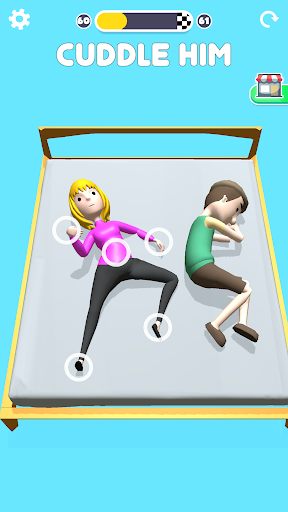
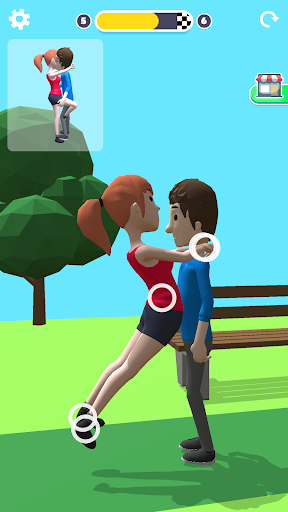
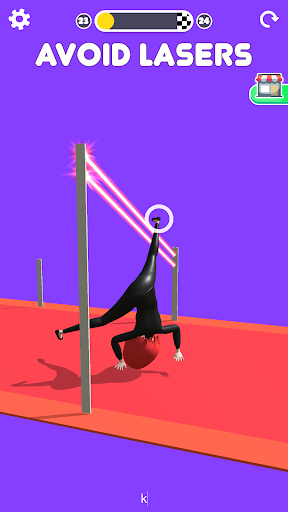
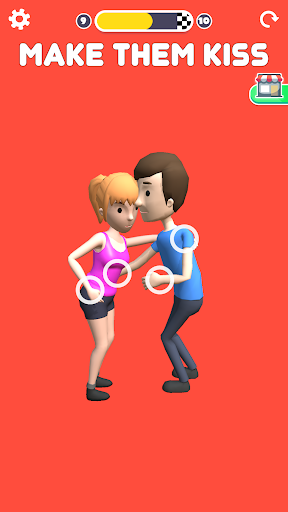
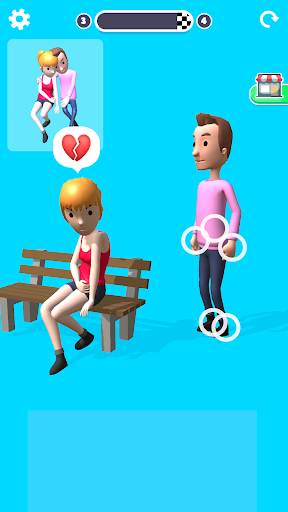
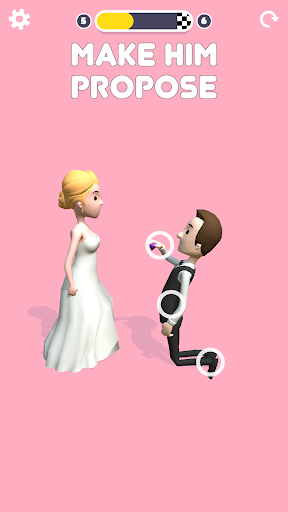
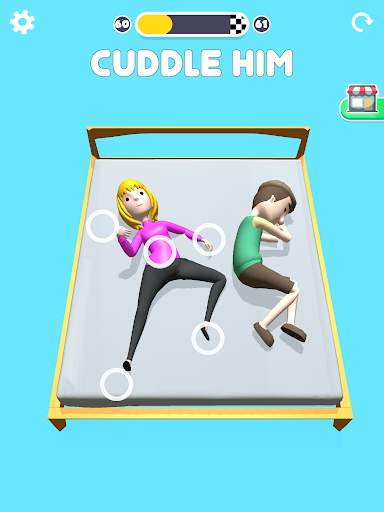
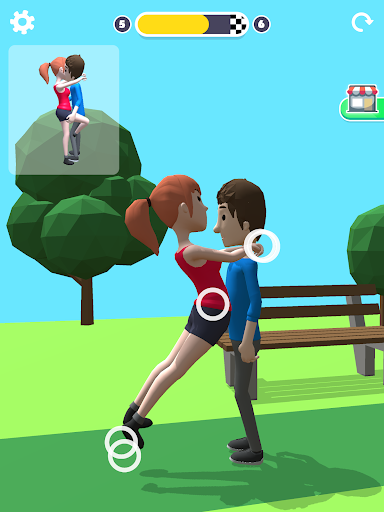
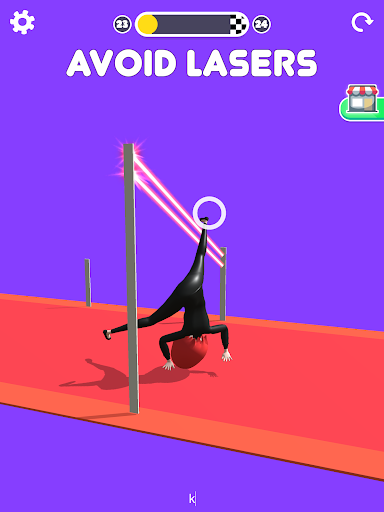
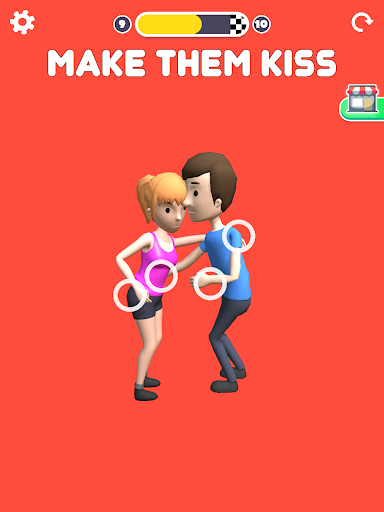
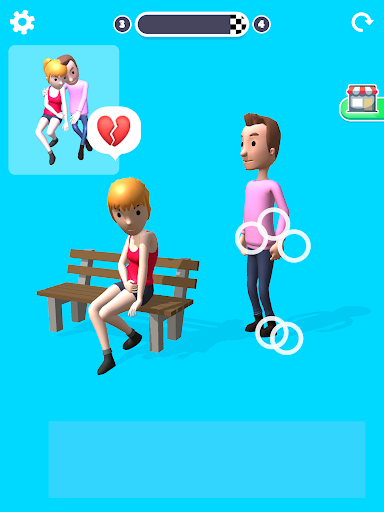
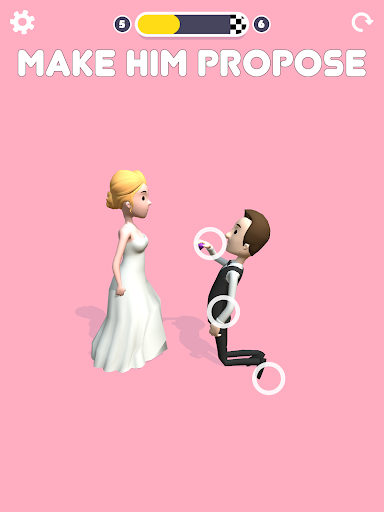
Move People is one of those mobile games that looks throwaway at first glance and then somehow steals 20 or 30 minutes before you realize it. The premise is simple: you manipulate puppet-like characters into the right poses or motions to complete each scenario. In practice, that turns into a light physics puzzle game with a goofy sense of humor, a steady stream of quick interactions, and just enough unpredictability to keep it from feeling completely mechanical. After spending real time with it, the strongest thing I can say about Move People is that it understands the mobile format extremely well. Levels are short, the controls are immediate, and you never need to relearn a complicated system to keep progressing. You drag limbs, shift bodies, and try to line up the characters with whatever the game is asking for. The appeal comes from the awkward, floppy animation and the comic timing of seeing a pose almost work, then collapse into something absurd. It is the kind of game that gets laughs not because it is carefully written, but because the physicality itself is funny. That humor is the app’s biggest strength. Even when the challenges are straightforward, there is a constant slapstick quality to the movement. Characters bend, twist, and flop in a way that makes each success feel slightly ridiculous. The game doesn’t pretend to be a serious simulation, and it is much better for that. It leans into silliness, and in short bursts that works very well. The second big strength is accessibility. This is a game almost anyone can understand within seconds. You do not need to be a puzzle veteran, and you do not need perfect timing or fast reflexes. It is ideal for casual play: on the couch, in the car, while waiting in line, or whenever you want something more interactive than scrolling but less demanding than a full game session. The learning curve is low, and that makes it easy to recommend to players who just want a quick distraction. The third strength is that it has more staying power than its concept suggests. I expected the gimmick to burn out quickly, but the changing situations and unlockable story framing give it enough forward momentum to keep you tapping “next.” It is still a simple game, but it does a good job of drip-feeding new setups so the experience doesn’t go stale immediately. If you enjoy toy-like mobile games that revolve around physical comedy, there is a surprising amount of mileage here. That said, Move People absolutely comes with baggage, and the biggest issue is ads. This is not a subtle ad-supported experience. Even in a game built around short levels, the interruptions stand out. Sometimes they are brief, but the frequency matters more than the duration. When the game is flowing, ads break its rhythm; when a level is over in seconds, an ad can feel longer than the challenge you just completed. There is a difference between monetization you tolerate and monetization you actively notice, and Move People often lands in the second category. The second weakness is polish. The physics are funny, but they are also a little messy. At times a character’s body moves in ways that feel less like playful chaos and more like glitchiness. Usually that is harmless, and sometimes it even adds to the comedy, but there are moments where the jank makes it less clear whether you are solving the puzzle incorrectly or just fighting the game’s odd behavior. It rarely ruins the experience, but it does remind you that this is a lightweight mobile title built more around impulse fun than precision. The third weakness is tone. The game is playful, but some scenarios push into suggestive territory. It is not especially graphic from what I experienced, but the framing and poses can feel more adult than the cartoonish visuals initially suggest. That means Move People is not a universal recommendation for younger kids, despite its bright, simple presentation. Parents who download it expecting a completely innocent ragdoll puzzler may want to spend a few minutes with it first. Who is this for? Casual players, teenagers, and adults looking for a funny, low-effort mobile game will probably get the most out of it. If you like short puzzle stages, silly animation, and games that are easy to pick up with one hand, Move People delivers exactly that. It is also a decent choice for people who don’t mind a little nonsense and are happy to play in brief sessions rather than long marathons. Who is it not for? Anyone with very low tolerance for ads should think twice. Players who want deep mechanics, clean precision, or a more fully developed simulation experience will likely get bored or irritated. And if you are specifically shopping for a kid-friendly app, this one sits in a gray area where the visuals are harmless but some of the scenarios are better suited to older players. Overall, I came away more entertained than I expected. Move People is not elegant, and it is definitely not refined, but it is funny, instantly understandable, and easy to keep playing. Its best moments feel like interactive slapstick; its worst moments feel like being squeezed between another ad and another slightly awkward physics hiccup. If you can live with that trade-off, there is real dumb fun here. I would recommend it as a casual time-killer, just not as a polished or family-safe must-have.
Alternative apps