
Apps Games Articles
Babylon: Smart Healthcare 24/7
Babylon Health
Rating 4.8star icon
Editor's summary
Editor rating
star icon star icon star icon star icon
half star icon
4.5

One-line summary Babylon earns an easy recommendation for making healthcare feel fast and approachable from your phone, but it is less convincing if you want a deeply personalized, in-person-style medical experience.

  • Installs

    100K+

  • Developer

    Babylon Health

  • Category

    Medical

  • Content Rating

    Everyone 10+

  • Latest version

    75.0.0

  • Package

    com.babylon.us

Screenshots
In-depth review
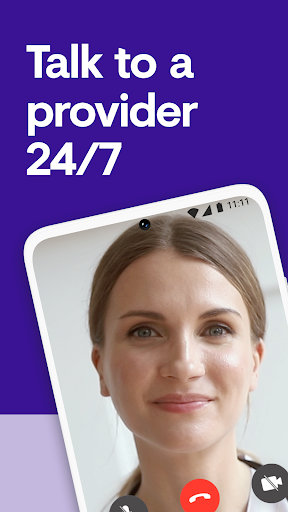
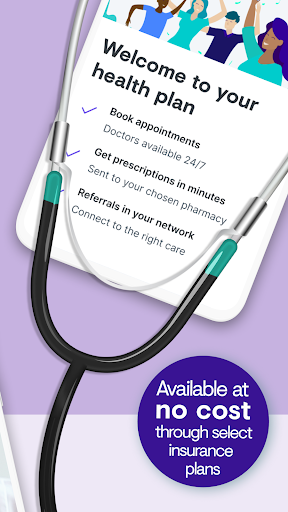
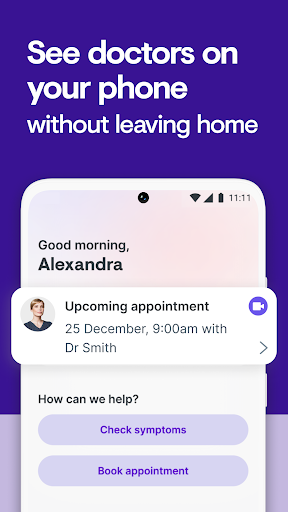
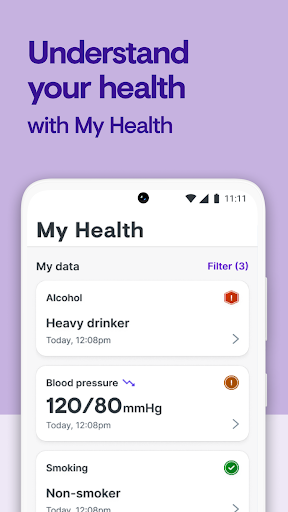
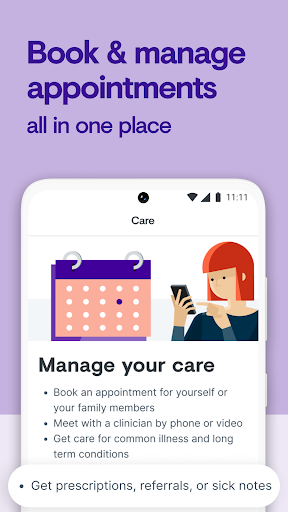
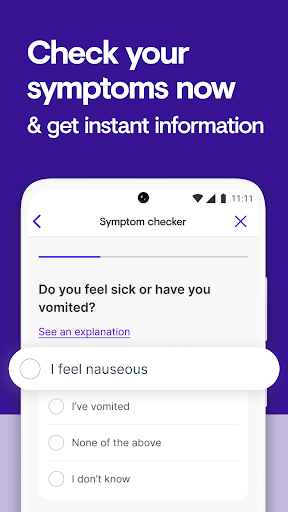
Babylon: Smart Healthcare 24/7 is the kind of app that immediately tells you what it wants to be: a practical, always-available healthcare companion that reduces the friction between “I should probably ask someone about this” and actually getting help. After spending time with it from a user-experience perspective, what stands out most is not some flashy breakthrough feature, but how clearly the app tries to remove hesitation. It is built around the idea that healthcare should feel accessible, organized, and less intimidating on a phone screen. That mission comes through in the overall design. The app feels polished in the way strong healthcare apps need to feel polished: calm screens, straightforward navigation, and a generally reassuring tone rather than something cluttered or overly technical. When you open an app like this, you do not want to hunt through menus or wonder whether you are in the right place. Babylon does a good job of presenting itself as a tool for action. The interface gives the impression that it wants to move you toward the next step quickly, which matters a lot in a health context where people are often stressed, tired, or just trying to solve a problem without extra cognitive load. That ease of use is the first major strength. Even without leaning on gimmicks, the app feels modern and thoughtfully structured. In day-to-day use, that means it is approachable for people who may not be especially tech-savvy but still want the convenience of digital healthcare. It feels more like a guided service than a complicated health platform. There is real value in that. Too many healthcare apps bury their useful functions under account layers, insurance language, or awkward flows. Babylon gives a stronger sense of clarity. The second strength is convenience. The 24/7 framing is not just marketing language; it defines the appeal of the app. The reason to use something like Babylon is that health questions rarely arrive on a schedule. Sometimes you want guidance late at night, during a work break, or when you are deciding whether something is urgent enough to escalate. Babylon fits naturally into those moments. It lowers the barrier to engaging with healthcare at all, and that alone can make it more useful than traditional channels for minor concerns or first-step questions. The third strength is that the app feels intentionally consumer-friendly. It does not present healthcare as a maze. Instead, it tries to make the experience feel manageable and less formal without becoming careless. That is an important balance. Apps in this category can become either too cold and clinical or too casual to feel trustworthy. Babylon largely avoids both extremes. It feels designed for people who want support, direction, and a sense that they can do something now rather than later. That said, Babylon is not perfect, and its weaknesses are tied to the same qualities that make it appealing. The biggest limitation is that digital healthcare still has a ceiling. As smooth as the app feels, there are moments when mobile convenience cannot replace the nuance, reassurance, or depth of an in-person interaction. If your situation is complex, ongoing, or emotionally sensitive, an app-based experience can start to feel a little thin. Babylon works best when you want access and efficiency; it is less satisfying when you want a fuller sense of continuity or hands-on medical care. A second weakness is that polished healthcare apps sometimes feel slightly standardized, and Babylon occasionally gives off that impression. The streamlined flow is good for speed, but it can also make the interaction feel a bit transactional. If you are the kind of person who wants a healthcare experience that feels deeply tailored from the first tap, the app may come across as competent rather than especially personal. That is not a dealbreaker, but it does affect the emotional side of the experience. The third weakness is that apps like this ask for a certain mindset from the user: you need to be comfortable handling part of your healthcare journey through a screen. For some people, that is liberating. For others, it creates mild friction. Entering health details on a phone, interpreting prompts, and trusting a digital workflow may feel efficient one day and slightly detached the next. Babylon does a better job than many apps at reducing that friction, but it cannot eliminate it entirely. Who is this app for? It is best for busy adults, families juggling schedules, and anyone who values quick access to healthcare guidance without the hassle of traditional appointment-first thinking. It is especially appealing for people who are comfortable using their phone as a central tool for everyday life and want healthcare to fit into that pattern. It is also a strong option for those who appreciate clear design and do not want a medical app to feel overwhelming. Who is it not for? It is not the best fit for people who prefer face-to-face reassurance, those dealing with more complicated health situations that benefit from long-term in-person follow-up, or users who are uncomfortable with a digital-first care experience. If you want healthcare to feel highly relational and deeply individualized at every step, Babylon may feel efficient but somewhat impersonal. Overall, Babylon: Smart Healthcare 24/7 succeeds because it makes healthcare feel reachable. That is a bigger achievement than it sounds. It is easy to underestimate how valuable it is to have an app that reduces hesitation, looks trustworthy, and guides you toward help without adding stress. It is not a replacement for every kind of care, and it does not erase the inherent limitations of remote health tools, but as a practical healthcare app, it feels confident, polished, and genuinely useful. For the right user, that is more than enough reason to keep it installed.