
Apps Games Articles
Text Free: Second Phone Number
Pinger, Inc
Rating 4.4star icon
Editor's summary
Editor rating
star icon star icon star icon star icon
half star icon
4.5

One-line summary TextFree is one of the better free second-number apps because setup is fast and texting works reliably, but the ads, minute limits for calling, and occasional hiccups keep it from feeling like a full replacement for your main phone line.

  • Installs

    10M+

  • Developer

    Pinger, Inc

  • Category

    Social

  • Content Rating

    Everyone

  • Latest version

    13.8.2

  • Package

    com.pinger.textfree

In-depth review
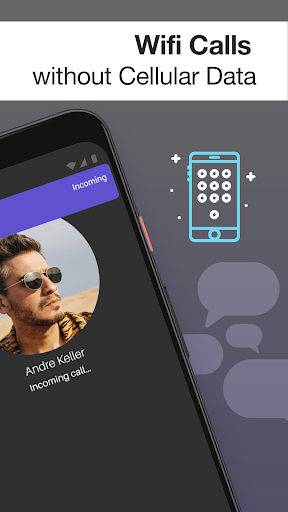
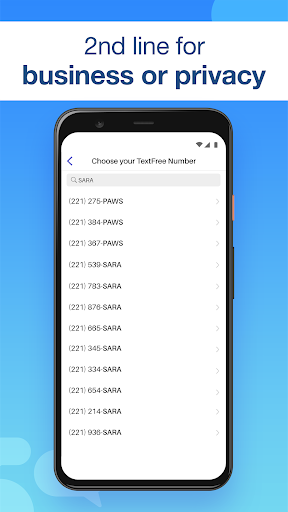
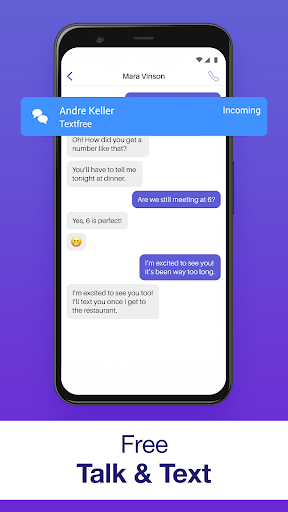
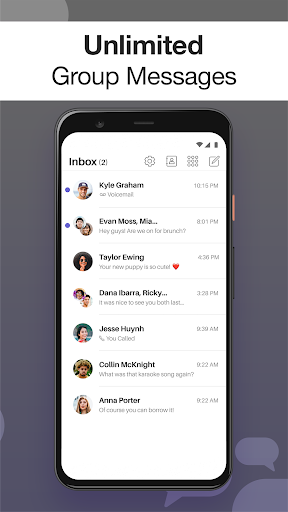
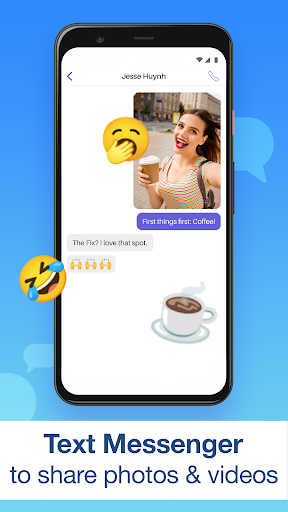
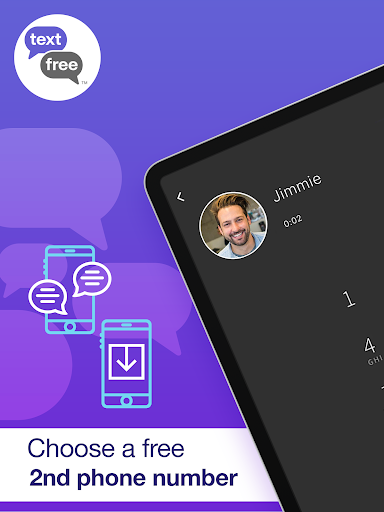
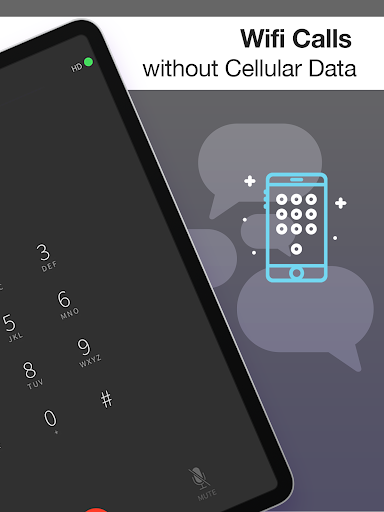
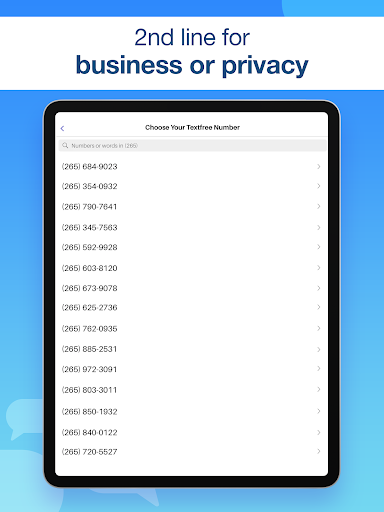
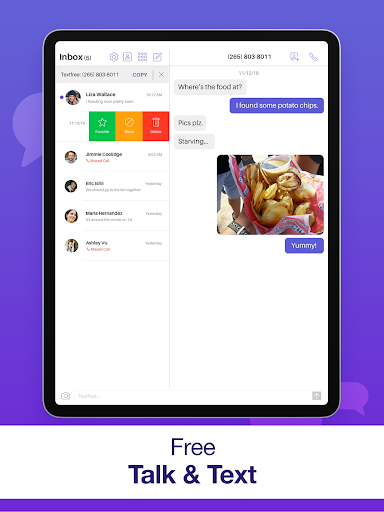
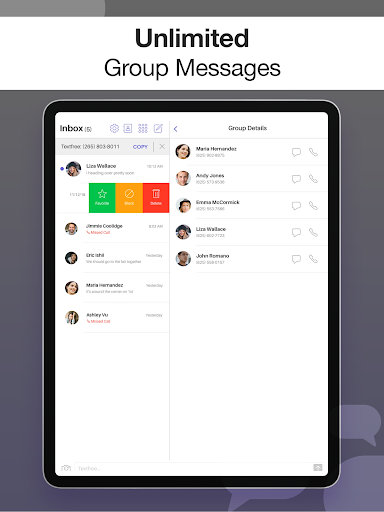
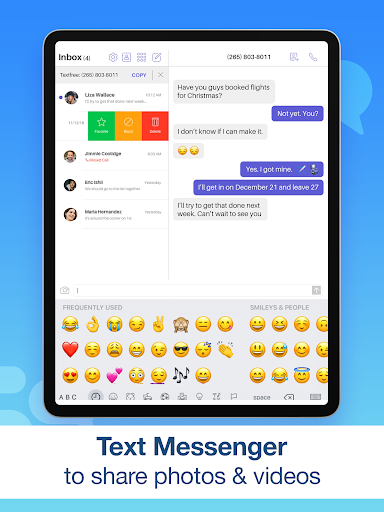
Text Free: Second Phone Number is the kind of app that sounds simple on paper and then either wins you over in five minutes or annoys you into uninstalling it. After spending real time with it as a secondary line, I came away more impressed than skeptical. It is not perfect, and it absolutely has the rough edges you would expect from a free communication app, but it does the most important thing right: it gives you a usable second number without turning every text and call into a chore. The first thing that stands out is how quickly you can get going. Picking a number feels straightforward instead of mysterious. There is a decent sense of control here, and that matters more than it sounds. A lot of apps in this category dump a random number on you and expect gratitude. TextFree feels a bit more polished, especially when you want something memorable or at least local-looking. That alone makes it useful for anyone who wants a buffer number for online listings, side work, dating apps, short-term projects, or just keeping a personal number private. In day-to-day use, texting is the star of the show. Messages move fast, threads are easy to follow, and the core experience feels responsive enough that I never had the sense I was using a bargain-bin workaround. Sending regular texts is painless, and the app also supports richer messaging touches like photos and GIFs, which helps it feel less bare-bones than some free number apps. If your main reason for installing TextFree is to have a Wi-Fi-based texting line on a phone or tablet, it delivers. It feels especially practical on devices that are not tied to a traditional carrier plan. Calls are more of a mixed story, though still better than I expected. When the connection is good, call quality is solid enough to use for real conversations rather than quick emergencies only. Voices come through clearly, and it does not immediately feel like an internet-calling science project. That said, calling is also where the app reminds you that free service always has terms attached. You do not get endless calling freedom out of the box, and if you are the type who makes frequent long calls, the minute system becomes part of the experience very quickly. TextFree works best when calling is occasional and texting does the heavy lifting. That balance points to one of the app's biggest strengths: it knows its lane. As a practical second line, it makes sense. As a total replacement for a regular mobile plan, it depends heavily on your habits. If you mostly need messaging, occasional calls, and a number you can hand out without exposing your real one, this app is genuinely useful. If you expect it to behave exactly like a primary carrier number in every situation, the compromises start to show. The biggest compromise is advertising. To TextFree's credit, the ads are usually more tolerable than in many free communication apps. They do not constantly sabotage the interface, and most of the time they stay in the category of mildly annoying rather than deal-breaking. Still, they are part of the texture of the app. You notice them, especially during longer sessions, and if you are trying to communicate quickly, any interruption feels bigger than it would in a game or utility app. There is a paid path to smooth that out, but on the free tier, ads are part of the bargain. The second weakness is the app's occasional instability. Most of my testing went smoothly, but there were moments where the app hesitated, took too long to respond, or felt a little less dependable than a normal dialer and SMS app. Those moments did not define the experience, but they matter because communication apps do not get much room for failure. If you are trying to place a call and the app hangs for a bit, that sticks with you. This is not a constant issue, but it is enough to keep TextFree from feeling completely frictionless. The third limitation is that this is not the kind of second-number app you should assume will work for every verification or identity use case. It is excellent for privacy, everyday texting, and separating parts of your life, but not every service treats virtual numbers the same way. If your main goal is receiving one-time codes everywhere or using it as a universal banking and security number, this is not the app I would trust blindly for that role. What I did appreciate is that TextFree feels built by people who understand why someone wants a second number in the first place. It is not overloaded with nonsense, and it does not hide the basic value proposition. Install it, choose a number, start messaging. That clarity matters. I also liked that it can make sense for travelers, Wi-Fi-only users, and anyone who wants a communication fallback without adding another device or SIM card. Who is it for? Anyone who needs a low-cost or free second line for texting, light calling, privacy, gig work, or keeping personal and public communication separate. It is also a smart option for tablet users or people who rely on Wi-Fi and data rather than a traditional plan. Who is it not for? Heavy callers, people who hate ads on principle, and anyone who needs a second number to behave exactly like a fully supported primary mobile line in every situation. It is also not ideal for users who expect flawless verification support across all services. Overall, TextFree earns its popularity. It is fast to set up, genuinely useful, and much more functional than many free second-number apps. It does not completely escape the limitations of ad-supported communication software, but it gets enough right that I would comfortably recommend it to most people looking for a second number mainly for texting and occasional calls.