Apps Games Articles
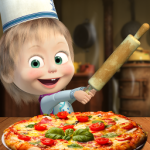
Masha and the Bear Pizza Maker
DEVGAME KIDS games
Rating 4.2star icon
Editor's summary
Editor rating
star icon star icon star icon
half star icon
empty star icon
3.8

One-line summary A cheerful, kid-friendly pizza game with strong cartoon charm and simple cooking play, but ads, locked content, and limited creative freedom make it harder to recommend without reservations.

  • Installs

    10M+

  • Developer

    DEVGAME KIDS games

  • Category

    Role Playing

  • Content Rating

    Everyone

  • Latest version

    1.2.5

  • Package

    com.devgame.masha.and.bear.pizzeria.games

In-depth review
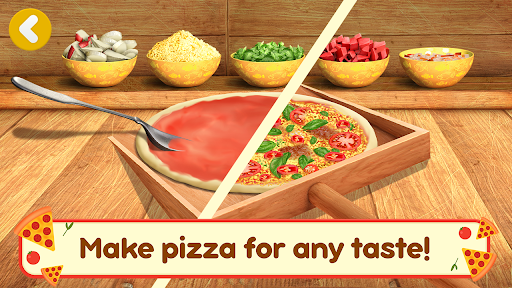
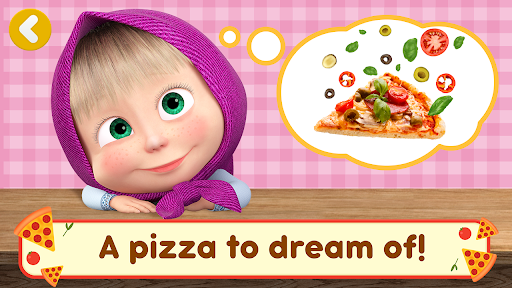
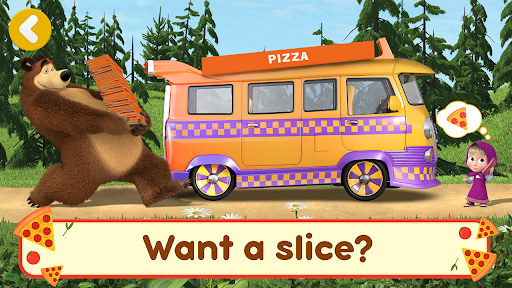
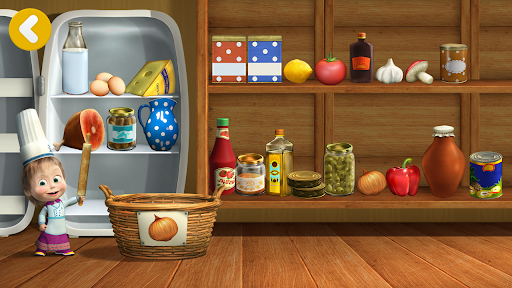
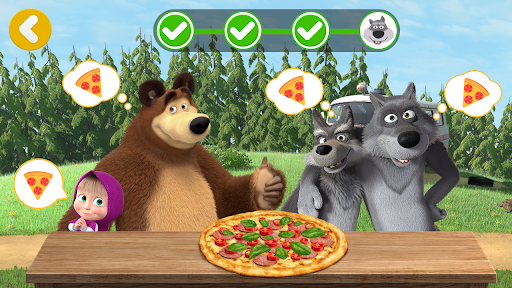
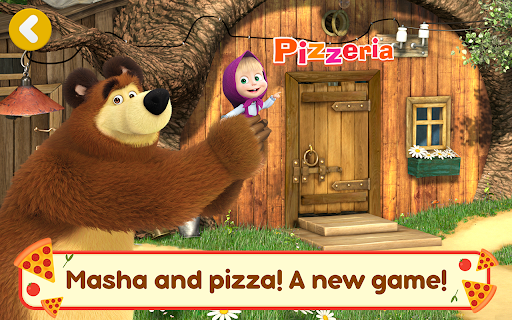
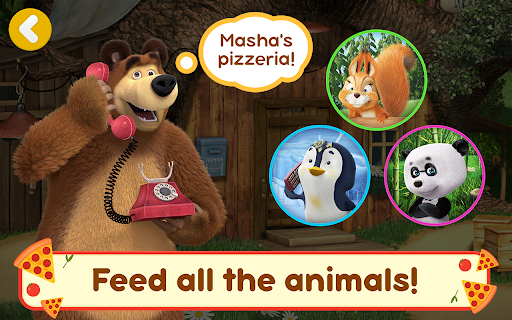
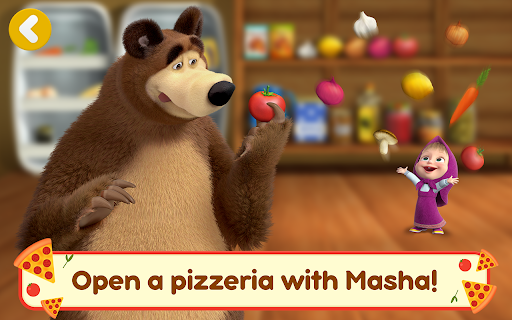
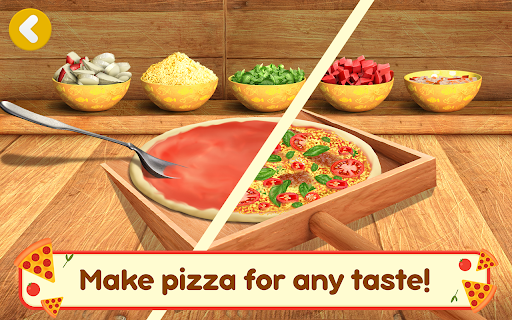
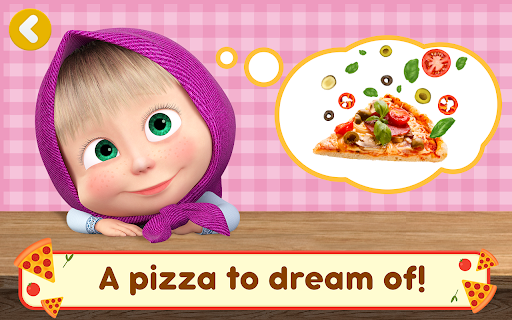
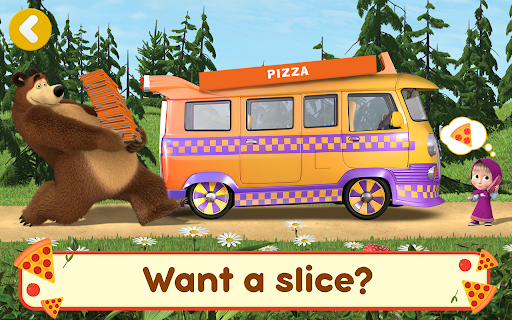
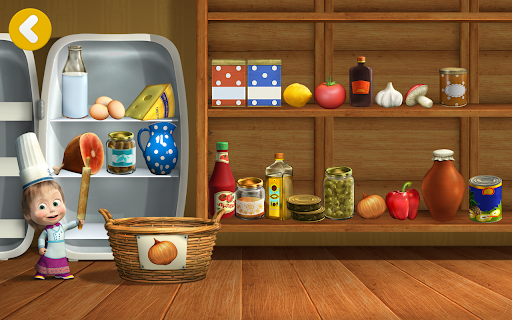
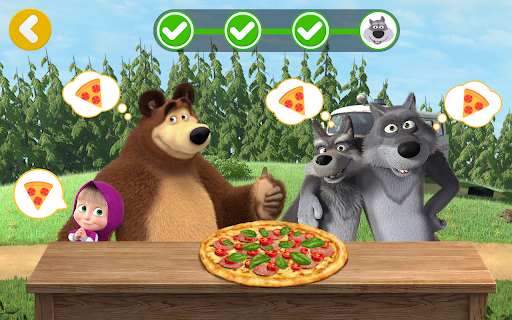
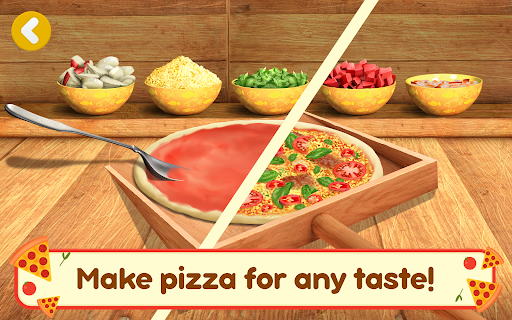
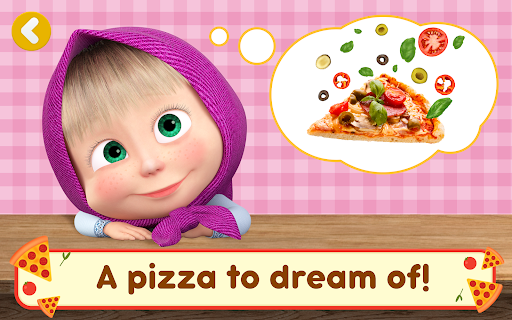
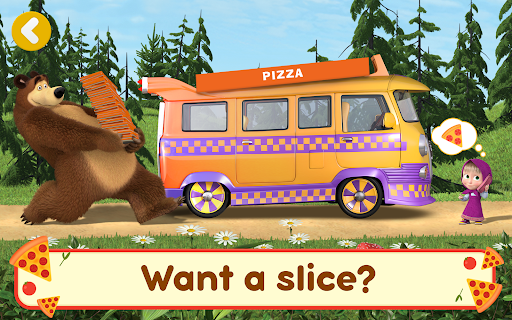
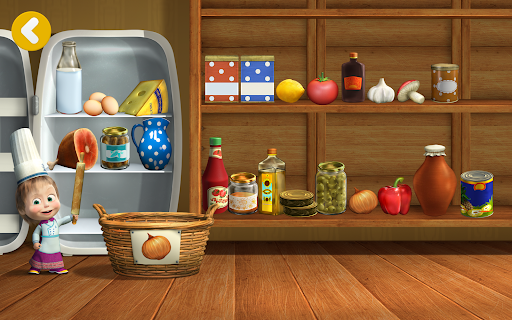
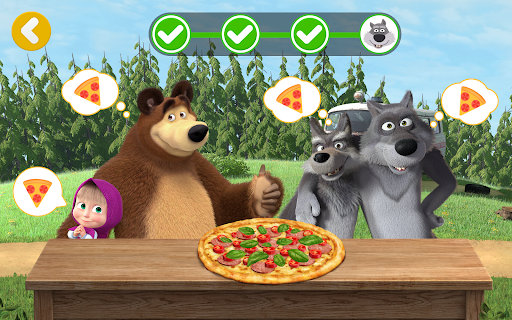
After spending time with Masha and the Bear Pizza Maker, the first thing that stood out to me was how clearly it understands its audience. This is not a deep restaurant simulator, and it is not trying to be one. It is a colorful, guided cooking game built for younger children who want to make pizzas with familiar cartoon characters, complete short tasks, and feel like they are helping run a tiny pizzeria. In that role, it does quite a lot right. The basic loop is easy to grasp within minutes. You take an order, assemble a pizza by following simple prompts, bake it, and deliver it. Everything is presented in bright colors and large, readable visual cues, so even kids who are not strong readers can mostly follow along. The game keeps moving, and that matters. There is very little friction between “I want to make a pizza” and actually getting hands-on with dough, toppings, cheese, and the final delivery. For a young player, that immediate feedback is one of the app’s biggest strengths. I also liked the theme integration more than I expected. The Masha and the Bear branding is not just pasted on top of a generic cooking app; it gives the whole experience a warmer, more playful tone. If your child already likes those characters, the game becomes instantly more inviting. The presentation feels friendly rather than stressful, which is important in games aimed at preschool and early elementary audiences. There is a soft sense of play here that makes even repetitive actions feel pleasant for a while. Another thing the app gets right is its approachable structure. Many kids’ cooking games either overload the screen with distractions or reduce interactivity to little more than tapping highlighted buttons. This one sits somewhere in the middle. It is guided, yes, but there is still enough movement and participation to keep the child engaged. Flattening dough, adding ingredients, baking, slicing, and delivering all create a sense of progression. It is simple, but it does not feel completely passive. For young children, that matters more than complexity. That said, the game’s biggest weakness is also obvious very quickly: monetization is hard to ignore. Ads and locked content appear often enough to break the flow, especially if you are hoping for a calm, uninterrupted play session. During testing, I found that the rhythm of making pizzas could be enjoyable, then suddenly interrupted by prompts or unlock barriers. In a kids’ game, that is especially frustrating because the ideal experience should be smooth and easy for both child and parent. Instead, there is a recurring sense that some of the fun is sitting just behind a paywall or an ad gate. A second issue is that the game can feel more scripted than creative. You are generally following the game’s instructions rather than truly building your own weird, imaginative pizza masterpiece. That works well for children who want structure and a clear goal, but it may disappoint kids who expect a sandbox-style cooking experience. After a while, I found myself wishing for a more open mode where players could freely choose ingredients and experiment without being told exactly what to place and when. The app teaches a basic pizza-making sequence, but it does not fully embrace creativity. The third drawback is replay variety. Yes, there are multiple recipes and ingredients, and for a young child that will likely be enough for a good while. But as an adult reviewer spending a longer session with it, I noticed the routine starts to repeat itself. The core interactions are pleasant, yet not especially deep, and the delivery portion feels more like a light extra than a meaningful second gameplay layer. That does not ruin the game, but it does put a ceiling on how long it stays fresh. Even with those limitations, I can see why the app has broad appeal. It is easy to pick up, cheerful in tone, and safe in design language for younger kids. It can also be mildly educational in a playful way: children get exposed to ingredients, recipe order, and the idea of preparing food step by step. No one is going to come away as a real pizzaiolo, of course, but the app does encourage simple sequencing and recognition skills. Who is this game for? Primarily children who already enjoy Masha and the Bear, especially younger players who like pretend cooking and do best with guided tasks. It is also a reasonable option for parents looking for a lightweight food-themed game that does not require advanced reading or tricky controls. Who is it not for? Older kids who want more freedom, anyone sensitive to ad interruptions, and players expecting a rich management sim or a robust creative cooking sandbox. Overall, Masha and the Bear Pizza Maker is a pleasant, accessible kids’ game that succeeds on charm, simplicity, and immediate fun. Where it stumbles is in the modern free-to-play baggage: interruptions, locked extras, and a slightly narrow gameplay loop. If your child loves the show and mainly wants a bright, easy pizza-making activity, this app will probably land well. If you want a more open-ended cooking game with fewer interruptions, you may end up feeling that the best slices are being held back.