
Apps Games Articles
Tik Tap Challenge
XGame Global
Rating 4.7star icon
Editor's summary
Editor rating
star icon star icon star icon star icon empty star icon
4.2

One-line summary Tik Tap Challenge is an easy app to recommend if you want a huge grab-bag of quick, satisfying mini-games to kill time offline, but the frequent ads and uneven quality between challenges keep it from feeling truly great.

  • Installs

    50M+

  • Developer

    XGame Global

  • Category

    Casual

  • Content Rating

    Everyone

  • Latest version

    1.1.12

  • Package

    com.trending.tik.tap.game.challenge

In-depth review
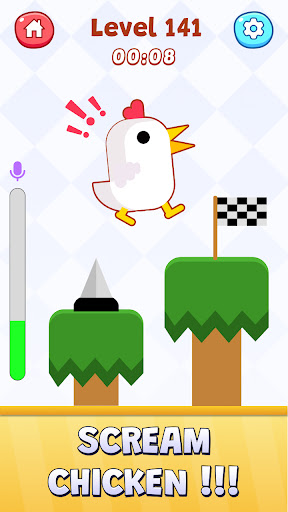
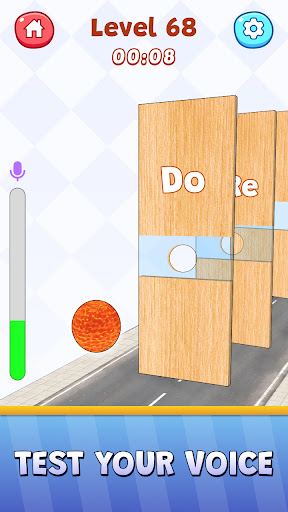
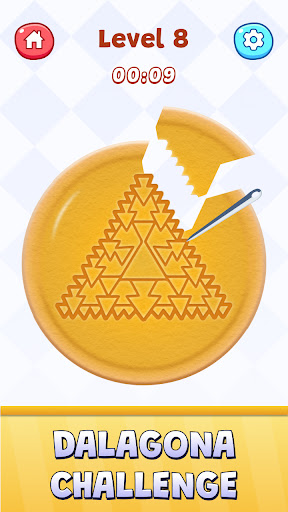
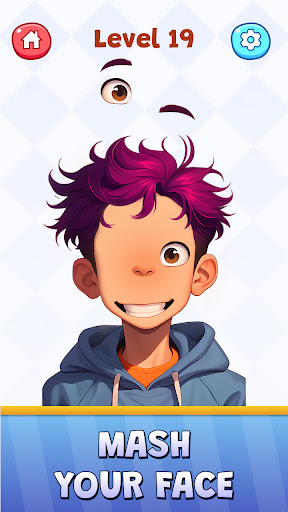
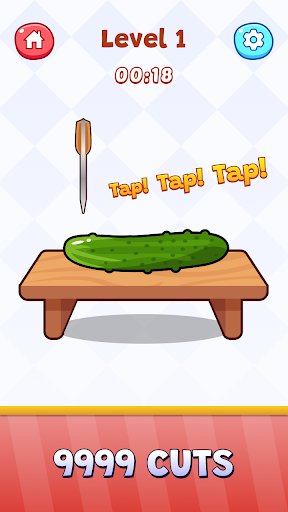
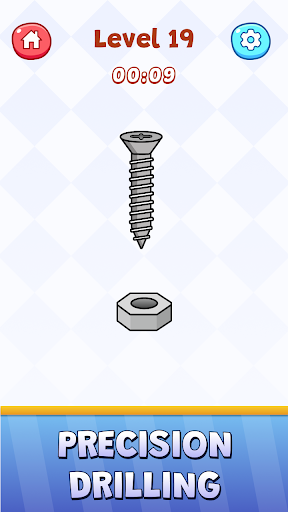
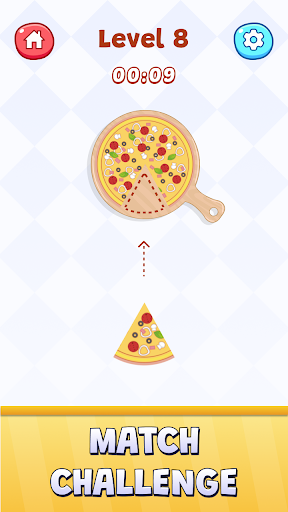
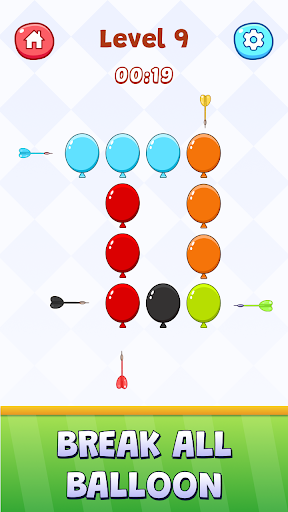
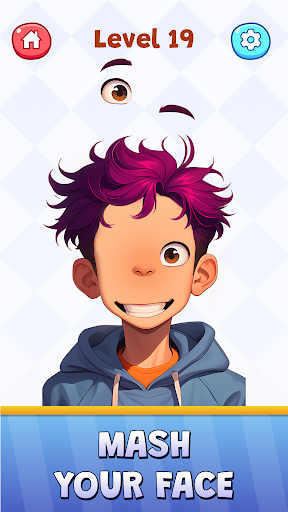
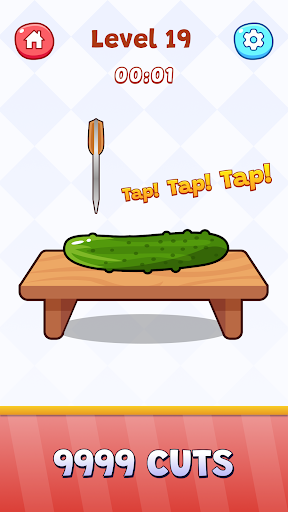
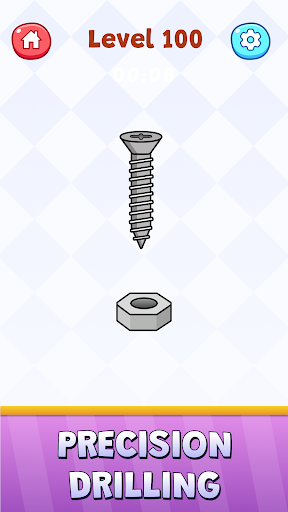
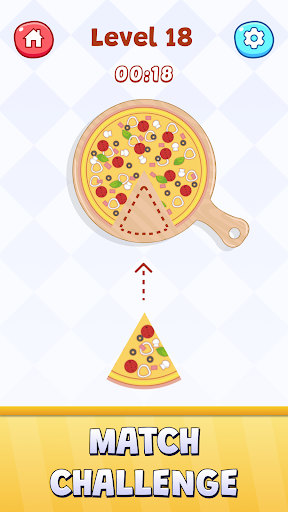
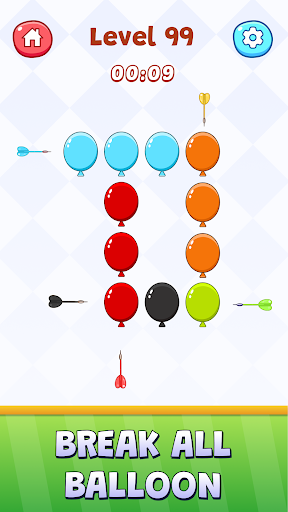
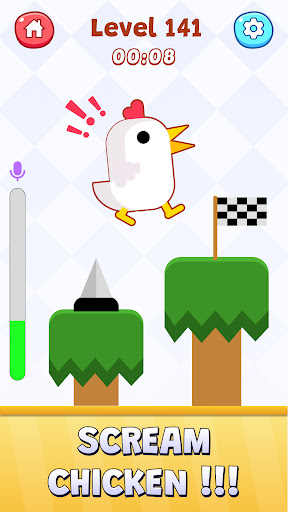
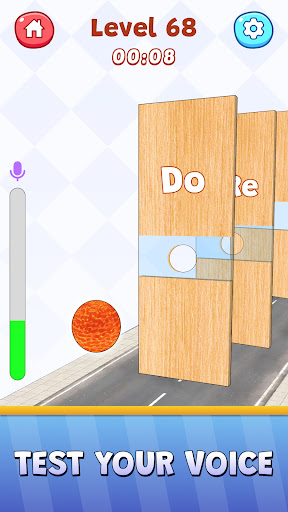
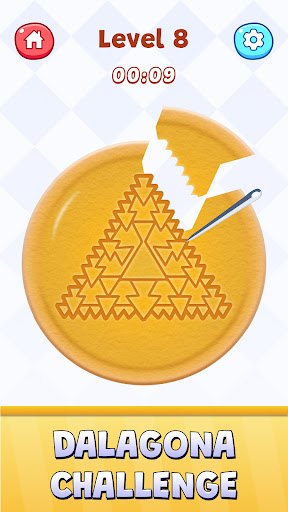
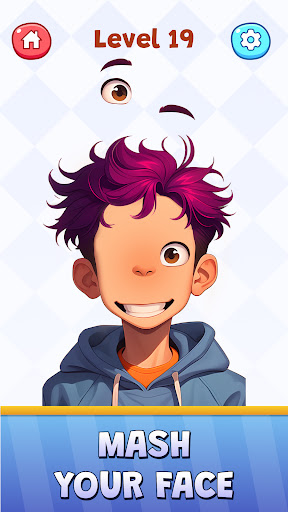
Tik Tap Challenge knows exactly what kind of mobile game it wants to be: fast, disposable, instantly understandable, and just varied enough to keep you tapping for “one more round” longer than you planned. After spending time with it, that identity comes through clearly. This is not a carefully paced premium-style game with a strong sense of progression or deep mechanics. It is a collection of bite-size challenges built for short bursts of play, and in that role it works surprisingly well. The best thing about Tik Tap Challenge is how quickly it gets out of your way. You open it, pick a challenge, and you are usually playing within seconds. That matters more than it sounds. A lot of casual game collections drown themselves in menus, currencies, pop-ups, and too many half-explained systems before you even touch the gameplay. Tik Tap Challenge is lighter than that. Most of its mini-games rely on simple actions like tapping, swiping, matching, or timing your input, so there is almost no learning curve. Even when a challenge is clearly inspired by a social-media trend or novelty game format, the controls are usually obvious enough that you can figure things out on instinct. That simplicity makes the app very approachable. It is especially good at delivering those small moments of tactile satisfaction mobile games live on: cutting, matching, timing a tap, lining something up correctly, or reacting just quickly enough to avoid failure. Some challenges feel closer to stress toys than traditional games, and that is part of the appeal. When I used Tik Tap Challenge as a “fill five minutes” app—while waiting around, winding down, or just wanting something low-effort—it fit the moment well. It does not demand much attention, and that can be a genuine strength. Another thing the app gets right is variety. A mini-game compilation only works if it gives you enough different flavors of interaction to avoid boredom, and Tik Tap Challenge generally succeeds there. Not every challenge is memorable, but there are enough distinct ideas in the rotation that the app rarely feels like it is repeating the exact same gimmick over and over. Some games lean more on reflexes, some on visual matching, and some are there purely for goofy novelty. That variety gives the app broad appeal. Kids can jump in easily, casual players can browse for a favorite, and even adults who normally do not care about mobile games may find a few rounds unexpectedly relaxing. The third clear strength is that the whole presentation is clean and accessible. The minimalist visual style is not sophisticated, but it is functional. Screens are easy to read, interactions are straightforward, and the game generally keeps your focus on the task in front of you. On a phone, that matters. You do not want visual clutter in a fast-reaction mini-game app, and Tik Tap Challenge mostly avoids that trap. It also helps that the app can be used offline, which makes it more useful as a backup boredom-killer when you do not want to rely on a connection. Still, after the initial charm sets in, the weak points become hard to ignore. The biggest one is ads. Even in a free app, there is a line between acceptable monetization and constant interruption, and Tik Tap Challenge gets uncomfortably close to that line. In short sessions, the ads are tolerable. In longer sessions, they become the thing you notice most. That is a problem for a game designed around quick satisfaction, because repeated interruptions break the flow that the mini-games depend on. You go from relaxed tapping to waiting for another ad to end, and the mood changes instantly. The second weakness is inconsistency. A collection like this naturally lives and dies by the quality of its individual mini-games, and not all of them are equally polished or equally fun. Some are immediate hits and genuinely hard to put down for a few rounds. Others feel like filler—playable, but forgettable after one try. There is enough good material here to keep the app worthwhile, but the overall package would be stronger with tighter curation and fewer weaker diversions. The third issue is that the app’s trend-driven identity can make it feel a bit shallow over time. Tik Tap Challenge is great at grabbing your attention in the moment, but it is not especially strong at building long-term attachment. The progression exists mainly to unlock more stuff and keep you moving, not to create a meaningful sense of mastery or development. If you want a deep challenge, a strong skill ceiling, or the kind of mobile game you return to every day for months, this probably is not it. It is better understood as a digital snack than a full meal. So who is this for? It is ideal for players who want a casual all-in-one mini-game app, especially those who enjoy trending challenge-style formats, simple anti-stress tapping, and short offline play sessions. It is also a good fit for younger players or families looking for lightweight entertainment that does not require much setup. Who is it not for? Anyone sensitive to ad interruptions, anyone looking for depth or strategic gameplay, and anyone who gets bored quickly with novelty-first game design may bounce off it. In the end, Tik Tap Challenge succeeds because it understands mobile downtime. It delivers quick hits of fun with very little friction, offers enough variety to stay useful, and keeps the mood light. It also falls into familiar free-to-play traps, especially with ad pressure and uneven mini-game quality. But if you judge it by what it is trying to do—be a convenient pocket collection of trendy, low-commitment challenges—it does a solid job. I would not call it essential, but I would absolutely call it easy to pick up, easy to enjoy, and easy to keep installed for those moments when your brain wants something simple and satisfying.
Alternative apps