Apps Games Articles
Doomsday: Last Survivors
IGG.COM
Rating 4.5star icon
Editor's summary
Editor rating
star icon star icon star icon star icon empty star icon
4.2

One-line summary Doomsday: Last Survivors is easy to recommend if you want a polished zombie base-builder with more hands-on combat than usual, but much harder to recommend if you hate long-term grinding and pay-to-win PvP pressure.

  • Installs

    50M+

  • Developer

    IGG.COM

  • Category

    Strategy

  • Content Rating

    Teen

  • Latest version

    1.54.0

  • Package

    com.igg.android.doomsdaylastsurvivors

In-depth review
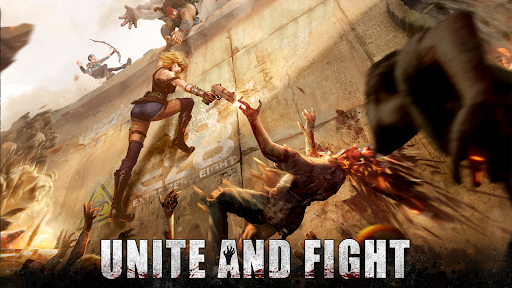
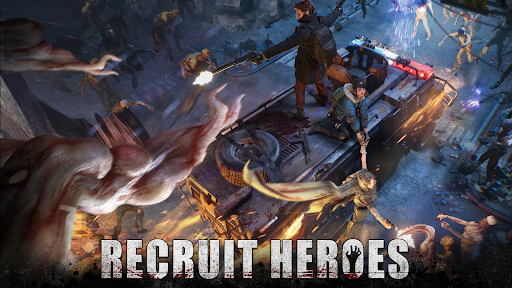
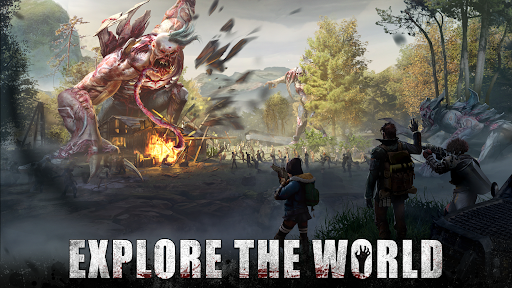
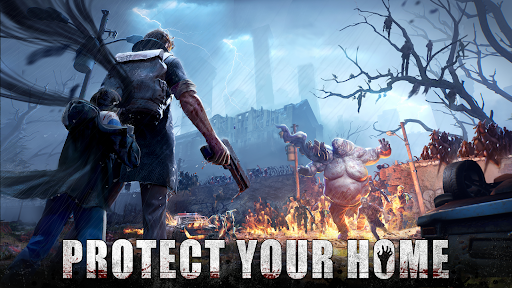
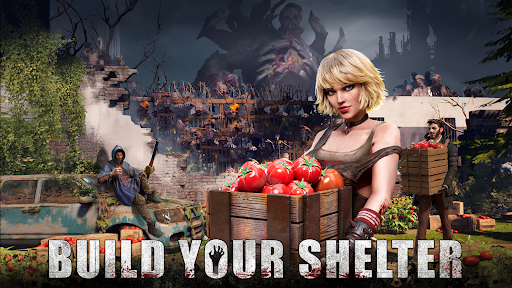
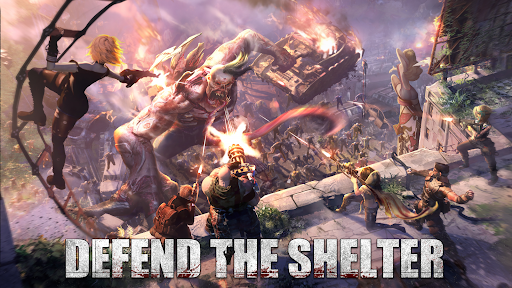
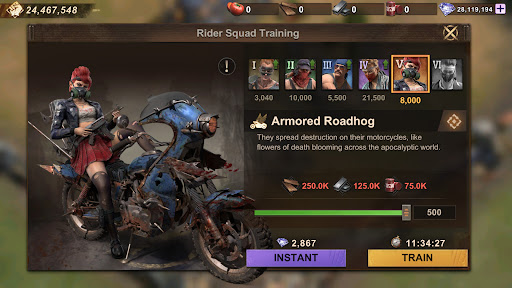
Doomsday: Last Survivors is one of those mobile strategy games that makes a strong first impression because it understands exactly how to hook you. Within the first stretch of play, it keeps you moving through story beats, base upgrades, zombie encounters, hero unlocks, and steady rewards with very little downtime. After spending real time with it, what stood out most is that it does not feel like a dead, menu-only strategy game. It is still very much a shelter-building, troop-training, timer-managing mobile RTS at heart, but it adds just enough direct interaction and presentation flair to feel more lively than many games in the genre. The basic loop is familiar: you rebuild a shelter, upgrade structures, train forces, gather resources, clear threats, and gradually expand your reach in a ruined world. That sounds standard, and in some ways it is. The surprise is in how well the game paces those tasks early on. There is almost always something meaningful to tap, upgrade, rescue, fight, or collect. I rarely felt that the game dumped me into a passive wait state too quickly. For a while, Doomsday: Last Survivors is excellent at creating that “just one more task” rhythm that keeps a mobile strategy game feeling busy instead of bureaucratic. Its first real strength is that sense of activity. Many base-builders become spreadsheet simulators with zombies painted on top. This one does a better job of making the shelter feel like a place under pressure. You are not simply stacking buildings for abstract numbers; the game constantly frames your progress through survival tasks, defense, exploration, and recovery. Even when the actions themselves are simple, the theme carries them well. The result is a strategy game that feels more animated and immediate than a lot of rivals. The second strength is the combat presentation. This is not a full action game, and anyone expecting a pure shooter will be disappointed, but the semi-active battle flow gives you more to do than just watch bars deplete. Positioning, hero combinations, troop setup, and timing matter enough to create engagement, especially in the tower-defense-flavored and direct combat moments. I liked that the game tries to break up the usual build-wait-upgrade loop with combat scenarios that require at least some attention. On mobile, the controls are clean and readable, and the interface generally does a good job of keeping the many systems manageable. The third strength is polish. Visuals are strong for this kind of game, with solid character models, decent environmental detail, and a world map presentation that sells the scale of the apocalypse. The zoom system and broad view of the battlefield help the game feel larger than your average shelter sim. Just as important, the app avoids one of the most annoying free-to-play habits: relentless ad interruptions. There are monetization hooks, absolutely, but I did not feel buried under forced video ads every few minutes, and that goes a long way toward making the experience feel cleaner. That said, the longer I played, the more familiar genre problems started to surface. The biggest is the grind. Early progression is smooth, but eventually the game shifts into the classic routine of longer upgrades, more resource demands, and a wider gap between what feels possible for free and what becomes easier if you spend. You can play without paying, and the game remains functional and enjoyable that way, but if your goal is to stay competitive in the PvP-heavy parts of the experience, the pressure becomes obvious. This is not unusual for the genre, but it is still a real drawback. The game is at its best when you treat PvP ambition cautiously and enjoy the broader survival-management loop at your own pace. The second weakness is repetition. The combat system is better than average for a mobile strategy game, but not varied enough to stay fresh forever. After the novelty wears off, some encounters start to blur together, and the cycle of upgrading heroes, clearing objectives, and pushing numbers upward can begin to feel mechanical. I had fun with it, but I also hit points where the game felt like it was asking for persistence more than mastery. The third weakness is tonal and artistic inconsistency. Some hero designs are memorable, but others feel overly derivative or awkwardly stylized, and the roster can lean into cliché rather than building a fully cohesive post-apocalyptic identity. There are also moments where character presentation feels more exaggerated than the setting needs. It does not ruin the game, but it can make the world feel less distinctive than it wants to be. Who is this for? It is a strong pick for players who enjoy alliance-based strategy games, persistent progression, zombie themes, and a mix of base management with more active battle sequences. If you like having lots of missions, constant goals, and a shelter that steadily grows under your control, there is a lot here to sink into. It is also good for players who want a free-to-play strategy title that feels generous enough to get started without immediately hitting a wall. Who is it not for? If you dislike online-only structure, long-term timers, competitive raiding, or the sense that spending money can accelerate relevance in PvP, this probably will not change your mind about the genre. Likewise, if you want deep tactical combat rather than mobile-strategy combat with light interaction, the battle system may not hold you for the long haul. Overall, Doomsday: Last Survivors succeeds because it is more playable moment to moment than many of its peers. It looks good, moves at an appealing pace early on, and gives you enough direct involvement in combat and shelter growth to make the apocalypse fantasy click. It does not escape the usual free-to-play strategy traps, and over time the grind and competitive monetization pressure become harder to ignore. But judged as a mobile zombie strategy game meant to keep you engaged daily, it is one of the better executed examples of the format.