Apps Games Articles
Train Station 2: Train Games
Pixel Federation Games
Rating 4.3star icon
Editor's summary
Editor rating
star icon star icon star icon star icon
half star icon
4.5

One-line summary Choose Train Station 2 if you want a polished, low-pressure logistics game with great train collecting and optional ads, but skip it if hour-long timers and occasional technical hiccups drive you crazy.

  • Installs

    10M+

  • Developer

    Pixel Federation Games

  • Category

    Strategy

  • Content Rating

    Everyone

  • Latest version

    2.0.1

  • Package

    com.pixelfederation.ts2

In-depth review
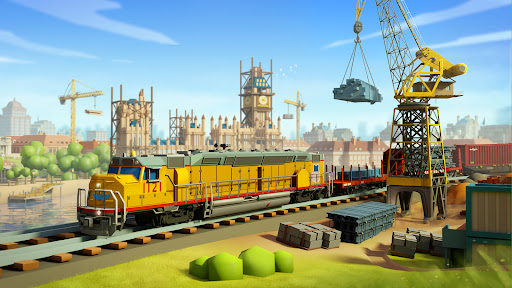
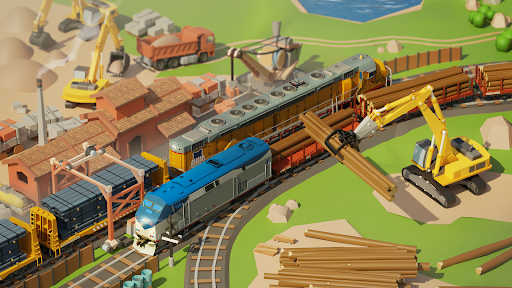
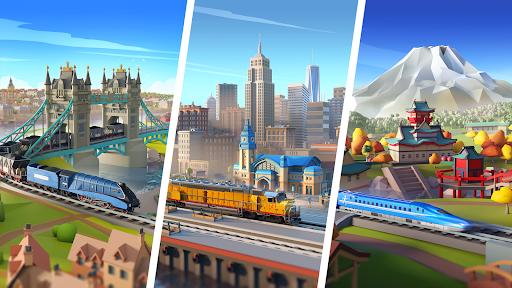
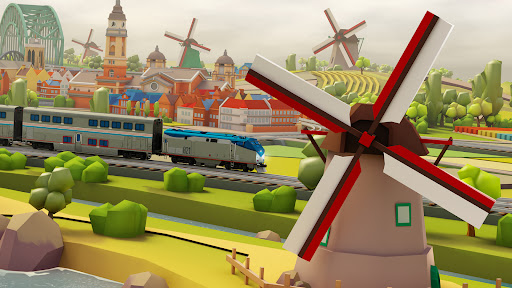
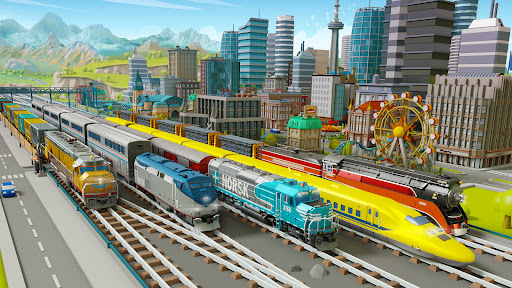
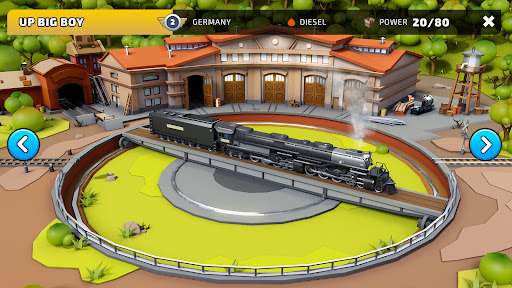
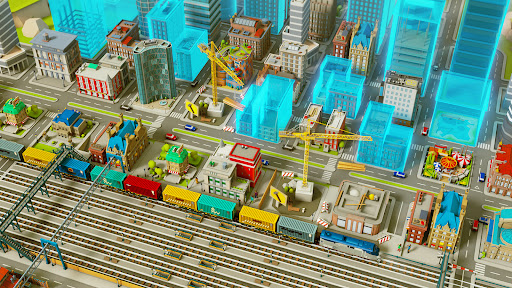
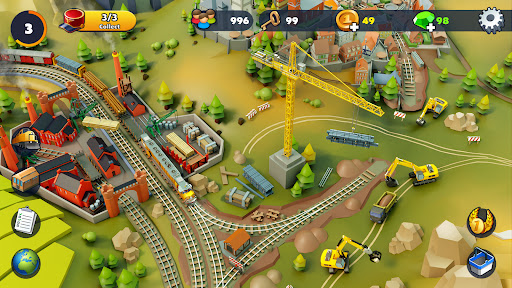
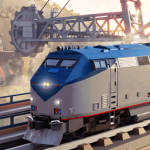
Train Station 2: Train Games sits in a very specific sweet spot: it is not a hardcore rail simulator, and it is not a mindless idle clicker either. After spending time with it, what stood out most was how confidently it understands its lane. This is a logistics-and-collection game wrapped in a train theme, and for players who enjoy optimizing routes, feeding production chains, and steadily expanding a transport network, it is surprisingly absorbing. The first thing the game gets right is presentation. The locomotives are attractive, the stations are lively, and the overall visual design has that miniature-model charm that makes you want to zoom in and watch things move. Trains glide around with enough personality to make collecting them feel rewarding rather than purely functional. That matters, because a huge part of the loop is about growing your roster, upgrading engines, and matching the right trains to the right jobs. The theme is not just pasted on top of a spreadsheet; it has enough visual polish to make repetitive tasks feel pleasant. The second major strength is the cadence of play. Train Station 2 is built around dispatching trains, waiting for deliveries, gathering materials, and checking back in later. On paper, that sounds passive. In practice, it works well for anyone who likes games that fit around daily life instead of demanding full attention for long stretches. I found it easy to pop in for a few minutes, queue up work, collect rewards, start manufacturing needed goods, and leave. There is a satisfying sense of motion even when you are not actively touching the screen. For busy players, that is a real advantage. The third strength is that the free-to-play design is more restrained than many mobile games. Ads exist, but they do not aggressively interrupt the experience. Most of the time, you choose whether you want to watch one for a bonus. That makes a huge difference in how the game feels over time. There is still monetization here, and you will absolutely notice premium currencies, event passes, and the usual incentives to spend. But the core game remains playable without feeling constantly hijacked by pop-ups and forced video breaks. In mobile gaming, that alone earns goodwill. Where the game starts to wear on you is in its timing model. Early on, the waits are manageable and even relaxing. Later, they can become the main thing you are thinking about. Many jobs run on roughly hour-long cycles, and while that structure makes Train Station 2 convenient to check casually, it also creates a stop-start rhythm that can feel limiting. There were stretches where I wanted to keep playing but had essentially run into the game’s pacing wall: trains were out, factories were busy, and meaningful progress was now tied to waiting or spending. If you enjoy slow-burn planning, that is fine. If you want a game that lets you actively grind for another half hour when the mood strikes, this one can feel stubbornly hands-off. A second frustration is progression pressure around capacity and efficiency. Much of the strategy comes from managing warehouse space, train upgrades, and dispatchers. That can be compelling, because you are always making tradeoffs, but it can also feel like the game is nudging you toward bottlenecks on purpose. When storage is tight and your production queue is clogged with ingredients for multiple contracts, the game becomes less about clever logistics and more about housekeeping. Some players will enjoy that puzzle. Others will see it as friction. The third weakness is that the experience is polished but not flawless. In regular play, I ran into the kind of small annoyances common to long-running mobile games: occasional instability, interface moments that require extra tapping, and event structures that can feel a little too demanding. The events do help keep the game fresh, and they are one of the reasons the app stays engaging over the long term. But they also bring a slight tension to what is otherwise a relaxing game. Sometimes the limited-time reward ladders feel a bit too ambitious unless you are playing very consistently. That said, the core loop is strong enough to carry the whole package. There is real satisfaction in building up your operation, unlocking new regions, improving your trains, and watching your station become busier and more capable. The strategy is light, but not fake. You do make meaningful decisions about what to produce, which deliveries to prioritize, and how to allocate your best locomotives. The game becomes more interesting as your network grows, not less. Who is this for? It is ideal for players who like management games, train collecting, gentle optimization, and mobile titles they can check throughout the day. If you enjoy planning ahead and seeing a system gradually become more efficient, Train Station 2 is easy to recommend. It is also a good fit for players who hate forced ads and prefer a calmer style of free-to-play game. Who is it not for? If you want fast sessions packed with constant interaction, or if long timers and event pressure feel manipulative rather than motivating, this will probably test your patience. Likewise, anyone looking for a realistic rail simulation should know that the strategy here is more about contracts and resources than about detailed train operations. Overall, Train Station 2 succeeds because it knows how to make small, routine actions feel rewarding. It is attractive, relaxing, and deeper than it first appears. Its pacing can absolutely become a drag, and it occasionally stumbles on the technical and progression side, but as a train-themed logistics game built for everyday play, it is one of the more polished and inviting options on mobile.