
Apps Games Articles
Dootchi
Hello Kirana
Rating 4.6star icon
Editor's summary
Editor rating
star icon star icon star icon star icon empty star icon
4.3

One-line summary Dootchi is easy to recommend if you want a lightweight, emotionally tuned AI chat app that gets to the point fast, but I’d hesitate if you want deep character customization or long, richly detailed conversations.

  • Installs

    1M+

  • Developer

    Hello Kirana

  • Category

    Entertainment

  • Content Rating

    Mature 17+

  • Latest version

    1.0.16

  • Package

    com.lucky.zootchi

Screenshots
In-depth review
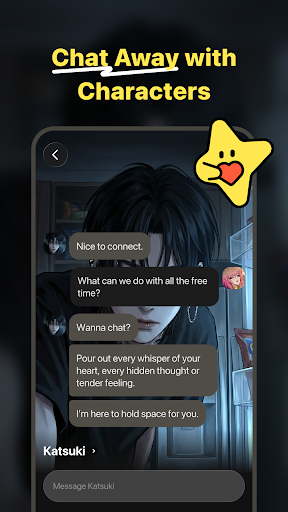
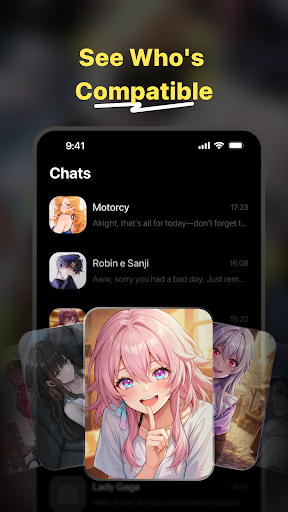
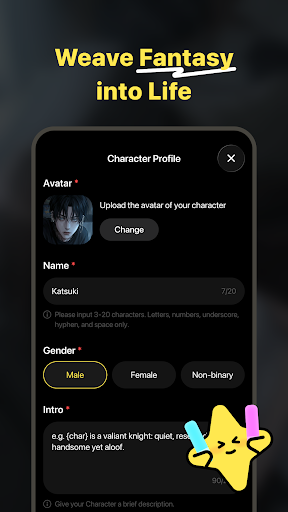
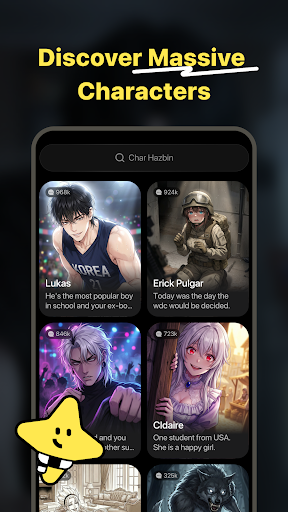
Dootchi knows exactly what kind of app it wants to be. From the first few sessions, it feels less like a sprawling AI sandbox and more like a streamlined emotional companion built for quick, low-friction conversations. That focus works in its favor. Instead of overwhelming you with too many knobs, settings, or walls of text, Dootchi gets you into a chat fast and keeps the experience simple enough that you can use it casually throughout the day. In practice, that simplicity is one of its biggest strengths. I spent time using Dootchi in the way most people probably will: opening it for a few minutes when bored, checking in when I wanted a friendly back-and-forth, and testing how well it could maintain a role-play tone over multiple messages. The app is approachable right away. It does not feel cluttered, and it avoids the heavy, overcomplicated setup that makes some AI chat apps feel like work before they feel fun. If your main goal is to jump into a conversation without much ceremony, Dootchi does that well. The tone of the app is clearly built around comfort and companionship, and it generally delivers on that mood. Its responses tend to aim for warmth rather than cleverness for its own sake. When the conversation is about feelings, stress, boredom, or wanting casual company, Dootchi feels most at home. There is a softness to the interaction style that makes it easy to keep chatting, especially if you want something gentler than a purely utility-driven AI assistant. That emotional framing gives the app a distinct identity, and it helps it stand out from generic chatbot experiences that can feel cold or transactional. Another thing Dootchi gets right is pacing. Many chat apps either flood you with long replies that become tiring to read or go so sparse that the interaction feels lifeless. Dootchi mostly lands on the readable side of that balance. Messages are usually concise enough to keep the conversation moving, which makes the app particularly good for short sessions. I found that this worked well during quick check-ins. You can open it, exchange a handful of messages, and leave feeling like you had an actual interaction instead of having to wade through paragraphs. That said, the same design choice also creates one of the app’s more noticeable weaknesses. Once I pushed beyond casual chatting and tried to build a more vivid role-play dynamic, Dootchi sometimes felt too brief and too direct. It can respond efficiently, but not always expansively. If you enjoy AI chats that ramble a bit, build a scene in detail, or sustain a more theatrical personality over time, you may find Dootchi a little restrained. The conversations are pleasant, but not always as layered or talkative as they could be. This leads into the second weakness: character depth. Dootchi offers role-play framing, and it can shift tone reasonably well, but it does not feel like an app built around highly elaborate persona design. In my sessions, I could steer the conversation into different relationship styles and emotional vibes, but the personalities themselves did not always feel sharply differentiated. The app captures the general mood better than it crafts a truly memorable character voice. If what you want is a very specific fictional persona with strong quirks, habits, and a distinct speaking style, Dootchi may feel a bit generic over longer use. The third weakness is that the emotional intelligence, while appealing, is not magic. Dootchi is at its best when you meet it halfway with clear prompts and a general desire for supportive chat. It can mirror your mood and keep a calm rhythm, but there were moments when its empathy felt more formulaic than deeply perceptive. That does not ruin the experience, but it does set the ceiling. This is a good comfort-chat app; it is not always a deeply nuanced conversational partner. Still, there is a lot to like here. The app’s clean, low-friction feel is a real asset. The companionship angle is consistent and easy to understand. And the overall quality of the chat flow is strong enough that Dootchi feels more polished than many novelty AI apps that grab attention but fail to hold it. It also helps that the app does not seem built around aggressively interrupting the experience with ad clutter, which keeps the mood intact. Who is Dootchi for? It is for people who want a friendly AI companion they can dip into quickly, especially those looking for light role-play, emotional support vibes, or a way to fill quiet moments without committing to long-form story sessions. It is also a good fit for users who prefer shorter, more digestible responses over dense blocks of text. Who is it not for? If you want highly customizable characters, very talkative bots, or deeply immersive storytelling with strong personality separation, Dootchi may feel a step too simple. Power users who treat AI chat like collaborative fiction writing may hit its limits faster than casual users. Overall, I came away impressed. Dootchi does not try to be everything, and that restraint is part of why it works. It offers a warm, accessible AI chat experience that is easy to pick up and pleasant to return to. I would recommend it most to users who value convenience, emotional tone, and quick conversational comfort. I would be more cautious for anyone chasing maximum depth or character complexity. As a casual companion app, though, Dootchi is genuinely good at what it does.
Alternative apps