Languager; Learn Language Fast
Highapp LimitedRating 4.0
Editor's summary
Editor rating
 4.1
4.1
One-line summary Languager is easy to recommend if you want a broad, practical language toolbox in one free app, but I’d hesitate if you prefer a cleaner, more focused learning experience over a feature-packed one.
-
Installs
1M+
-
Developer
Highapp Limited
-
Category
—
-
Content Rating
Everyone
-
Latest version
4.8
-
Package
uk.co.highapp.audiobook.ebooks
Screenshots
In-depth review
Languager: Learn Language Fast feels like an app built by people who want to throw every useful language-learning aid into one place and let you decide what sticks. After spending time with it, that is both its biggest strength and its biggest weakness. There is a lot here: spaced vocabulary practice, swipe-based flashcards, example sentences, quizzes, progress systems, translation tools, and even lightweight word games. For the right learner, that variety makes the app feel generous and surprisingly practical. For the wrong learner, it can feel busy, slightly scattered, and less elegant than the best single-purpose language apps.
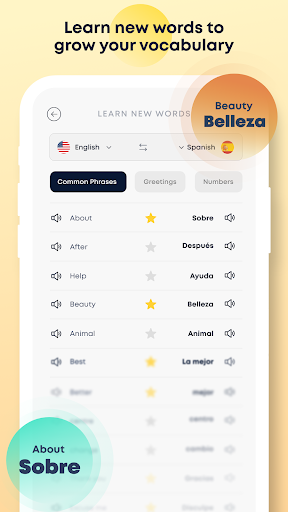
What stood out immediately in day-to-day use is that Languager is not trying to teach language through one rigid method. Instead, it nudges you through repeated exposure. The spaced repetition-style word boxes are the heart of the experience, and they work well because they make vocabulary review feel ongoing rather than like a one-time cram session. In use, this is one of the app’s strongest ideas: words come back at intervals, and that rhythm makes it easier to retain the basics without overthinking your study plan. The swipe interaction also helps. Marking words as known or unknown is fast, tactile, and simple enough that you keep moving instead of getting bogged down in menus.
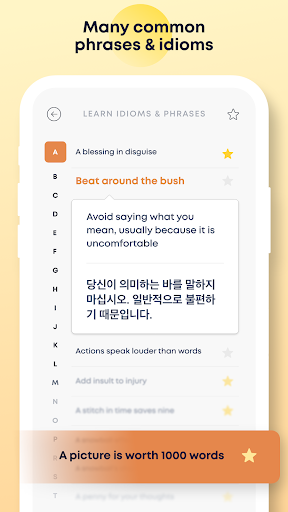
Another genuine strength is the app’s practical scope. The vocabulary topics are clearly designed around real-life communication rather than just academic study. Travel, greetings, directions, dining, shopping, emergencies, work, and everyday phrases all make sense as entry points, especially for learners who want immediate usefulness. When I used the app with that mindset, it felt most convincing. This is not the kind of app that only makes you memorize isolated textbook terms; it is trying to connect words with common situations. The example sentences on flash cards help with that, and even when the learning flow is simple, that extra context makes a difference.
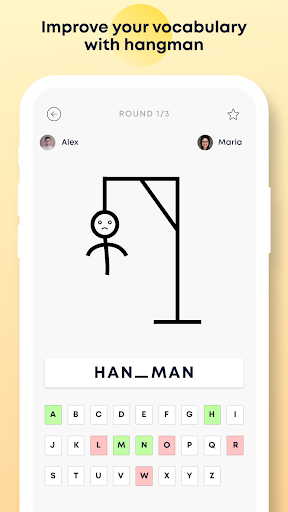
The third thing Languager gets right is motivation. The levels, badges, daily reminders, and mini-games are clearly designed to keep momentum alive. Normally, I find this kind of gamification easy to ignore, but here it serves a practical purpose: it breaks up repetition. If you have just done several rounds of vocabulary review, switching into Hangman, Word Hunter, or Falling Words adds variety without taking you completely out of study mode. The app understands that language learning can get stale quickly, and it tries hard to prevent that.
That said, the app’s biggest drawback is also obvious after a few sessions: it can feel crowded. Languager wants to be a flashcard trainer, a quiz app, a translator, a phrasebook, and a casual game collection all at once. None of those ideas is bad on its own, but together they create an experience that is more functional than refined. I often had the sense that I was using a toolset rather than a tightly designed course. If you like structure, polish, and a clear sense of progression from lesson to lesson, this app may feel a bit fragmented.
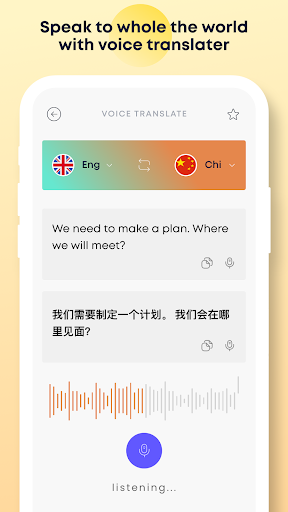
A second weakness is that the experience leans heavily on vocabulary practice and recognition-based learning. That is useful, but it is not the same as deep instruction. Languager helps you review, recall, and expose yourself to practical words and phrases, but it does not feel like a full substitute for a more guided language program if your goal is serious grammar development or nuanced speaking ability. The app talks a lot about speaking and conversation, and the translation tools certainly broaden its usefulness, but the learning flow itself feels strongest at helping you build familiarity rather than mastery.
The third issue is the app’s overall noisiness. Daily notifications, badges, games, and a broad set of tools can make the experience feel energetic, but also a little pushy. Some learners will appreciate the constant prompting; others will find it distracting. I also found that the app sometimes gives the impression of trying to keep you engaged at all costs, even when a cleaner, calmer interface would make studying easier. This does not ruin the experience, but it does affect how relaxing the app feels over time.
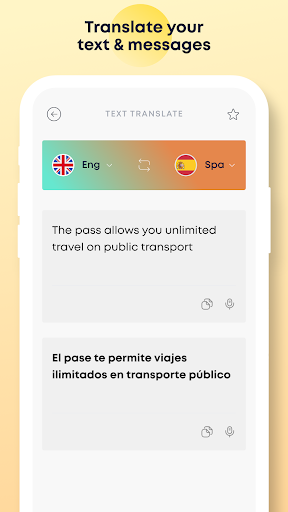
Where Languager works best is for practical learners, travelers, casual self-studiers, and multilingual households or workplaces where quick understanding matters more than formal study. If you need a flexible app that can help with everyday phrases, word recognition, and quick language support, it makes a strong case for itself. I can also see the appeal for users who want one app that covers a lot of situations, including translation assistance when responding to people in another language.
It is less ideal for learners who want a premium, highly curated lesson path, or for those who prefer diving deeply into grammar, pronunciation coaching, or long-form conversation practice. If your learning style depends on a carefully staged curriculum, Languager may feel too broad and too piecemeal.
Still, after using it, I came away more positive than skeptical. Languager may not be the most elegant language app on Android, but it is useful, energetic, and broad in a way that many free apps are not. It succeeds because it lowers the barrier to showing up, practicing a little, and picking up practical language in short bursts. If that is what you need, it is easy to keep coming back to.
Recommended Apps
-

June's Journey: Hidden Objects
Wooga4.5

-

YouTube Music
Google LLC4.5
-

Pixel Car Racer
Studio Furukawa4.6
-
Solitaire
Solitaire Classic Fun4.6
-
Blade Master : Beat the Music
Badsnowball Limited4.5
-
Video Editor APP - VivaCut
VivaCut professional video editor4.6
-

Mix Master: AI Merge Game
Sims Puzzle Games4.6
-

Archery Clash!
VOODOO4.6
-

Whatnot: Shop, Sell, Connect
Whatnot Inc.4.7
-

H&M
H&M4.8
-
Pool Tour - Pocket Billiards
Candy Mobile4.6
-

Kardia
AliveCor Inc.3.3
-

FreeStyle Libre 2 - US
Abbott Diabetes Care Inc.2.5
-

Edge Lighting - Borderlight
ZipoApps4.5
-

Rap Fame - Rap Music Studio
Rap Tech Studios4.6
You May Like
- No suggestions yet.