
Apps Games Articles
Zocdoc: Find and book doctors
Zocdoc, Inc.
Rating 4.4star icon
Editor's summary
Editor rating
star icon star icon star icon star icon
half star icon
4.5

One-line summary Zocdoc is one of the easiest ways to find an in-network doctor and book fast without phone calls, but it still stumbles when provider details like fees, forms, or issue selection aren’t as complete as they should be.

  • Installs

    1M+

  • Developer

    Zocdoc, Inc.

  • Category

    Medical

  • Content Rating

    Everyone

  • Latest version

    3.90.0

  • Package

    com.zocdoc.android

In-depth review
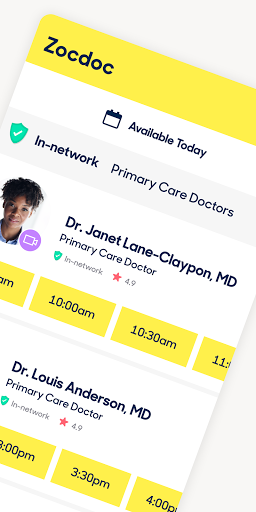
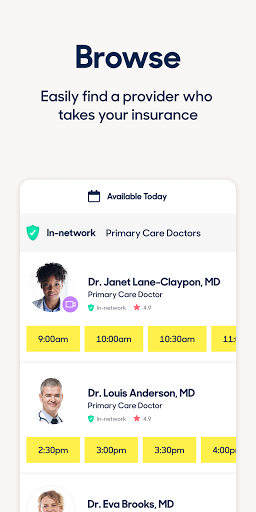
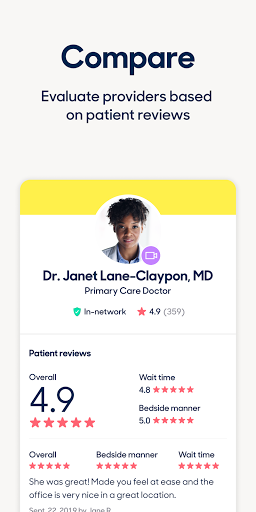
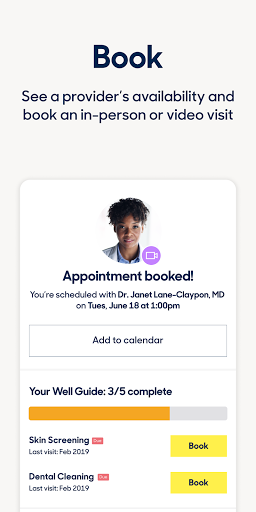
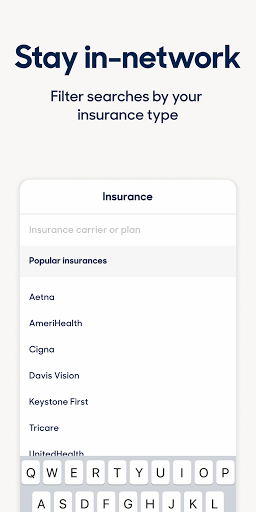
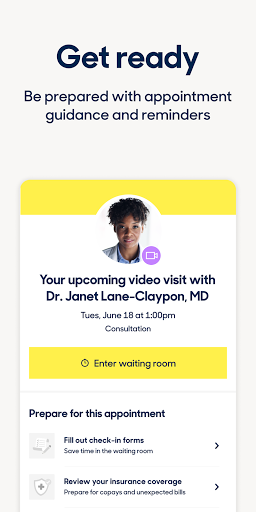
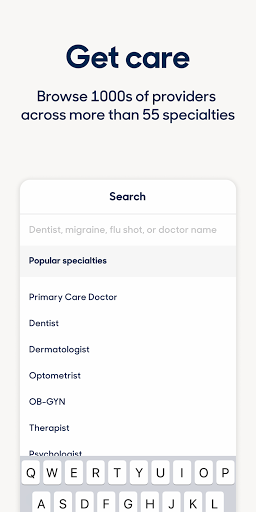
Zocdoc feels like one of those apps that solves a very specific modern annoyance: the exhausting process of finding a doctor who takes your insurance, has an opening soon, and can actually be booked without getting trapped in a long phone tree. After spending time with it, that convenience is the app’s biggest strength by far. It takes a process that is usually fragmented and oddly stressful and turns it into something closer to shopping for a service: search, filter, compare, book. What stood out immediately in daily use was how little friction there is between intent and action. You open the app, enter what kind of care you need, add your insurance information, and start seeing providers with available appointments. That basic workflow sounds simple, but a lot of medical apps make simple things feel bureaucratic. Zocdoc generally doesn’t. The app keeps moving you forward. If you already know the specialty you need, it is fast. If you are still figuring it out, the category and reason-for-visit flow helps narrow things down without making you feel like you need to understand the healthcare system before you can use it. The insurance filtering is the feature that makes the app genuinely useful instead of merely tidy. In practice, this is what separates Zocdoc from a generic provider directory. Being able to search with your insurance attached changes the entire tone of the experience. Instead of building a shortlist and then manually verifying coverage later, you can begin with a more realistic pool of options. For busy people, anxious patients, or anyone who procrastinates on healthcare because the admin side is draining, that matters a lot. Another thing Zocdoc does well is visibility into scheduling. Real-time openings are a major quality-of-life improvement. Seeing time slots right there in the app makes booking feel immediate in a way many healthcare systems still do not. It is also well suited to life outside office hours. If you remember at 10:30 p.m. that you need a dentist, therapist, dermatologist, or primary care appointment, you can actually do something about it right then instead of leaving yourself a note to call in the morning and then forgetting. During testing, this was the moment where the app felt most valuable: not as a healthcare brand, but as a practical tool that removes excuses and delay. The app is also generally polished in the parts that matter most. Appointment booking is straightforward, reminders are helpful, and the option to add bookings to your calendar is exactly the kind of small feature that keeps a useful app from becoming a forgotten one. Managing appointments from the phone feels natural, and the overall experience is refreshingly free of clutter. For a medical app, it is surprisingly approachable. That said, Zocdoc is not flawless, and its weak spots appear once you move from browsing into decision-making. The first issue is that provider profiles can still leave gaps. In particular, pricing and fees do not always seem clear enough before booking. Even with insurance entered, cost transparency is not always where it should be, and that can create hesitation. Healthcare is expensive enough without guesswork, so when an app helps you find a provider quickly but not fully understand what the visit may cost, there is still friction at the most sensitive point. A second weakness is that the intake flow can feel a little too narrow at times. If you are seeking care for more than one concern, the app may not always reflect the messy reality of why people go to doctors. Real medical visits are often not neatly contained in one issue, and the search or booking process can feel more linear than life really is. It works best when your need is clear and singular; it is less elegant when your situation is more complicated. The third annoyance is that some of the convenience starts to wobble around forms and follow-through. Filling out information ahead of time is a useful idea, but it is frustrating when entered data does not feel fully persistent and you have to repeat yourself. It is not enough to ruin the app, but it does break the illusion that everything has been streamlined. In a product built around saving time, any unnecessary re-entry stands out more than it would elsewhere. There is also an important behavioral tradeoff built into the app’s convenience: it is very easy to book and reschedule, but that also means users need to be disciplined. Zocdoc clearly expects appointment etiquette to be taken seriously, and if you are careless about cancellations or no-shows, that can come back to bite you. That is fair, but it means this is best used by people who actually intend to follow through once they tap confirm. So who is Zocdoc for? It is excellent for people who value convenience, dislike making calls, need to search by insurance, want appointments quickly, or prefer handling healthcare logistics from their phone. It is especially good for busy professionals, anyone managing multiple appointments, and patients who tend to delay care because the scheduling process feels like a chore. It is less ideal for people who need exhaustive cost breakdowns before committing, those with more complex multi-issue booking needs, or anyone in a situation where provider selection depends on highly detailed information that may not always be visible in-app. Overall, Zocdoc succeeds because it attacks the most annoying part of healthcare access: getting from “I need a doctor” to “I have an appointment.” It does that better than most tools in this space. It is not perfect at transparency, and it can occasionally make simple admin tasks feel less smooth than promised, but the core experience is strong, helpful, and genuinely time-saving. For many people, that alone will make it worth installing.