Apps Games Articles
Mighty Party
PANORAMIK GAMES LTD
Rating 4.9star icon
Editor's summary
Editor rating
star icon star icon star icon star icon empty star icon
4.2

One-line summary Mighty Party is easy to recommend if you want a genuinely clever hero battler with long-term depth, but it is harder to recommend if uneven matchmaking and aggressive monetization pressure tend to sour your strategy games.

  • Installs

    10M+

  • Developer

    PANORAMIK GAMES LTD

  • Category

    Role Playing

  • Content Rating

    Teen

  • Latest version

    1.84

  • Package

    com.panoramik.mightyparty

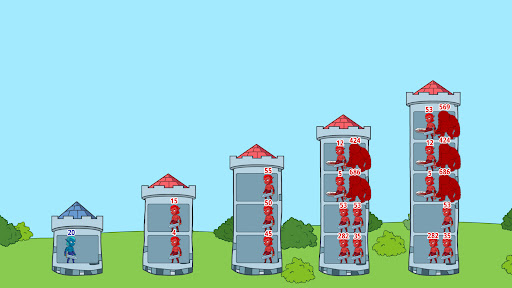
Screenshots
In-depth review
Mighty Party is one of those mobile games that makes a strange first impression and then slowly reveals a much better game underneath. After spending real time with it, the biggest surprise is that this is not just another shallow auto-battler wrapped in fantasy art. At its best, it feels like a compact tactical strategy game built around team composition, positioning, and understanding how heroes interact. At its worst, it feels like a smart game that occasionally gets in its own way with progression friction, matchup spikes, and a presentation layer that can be confusing before the core game fully opens up. The heart of Mighty Party is the battle system, and that is easily its strongest feature. Matches are quick enough to fit into short play sessions, but they have enough moving parts to feel engaging rather than disposable. The basic flow is approachable: place heroes, react to the board, and try to swing the fight through better decisions and better synergies. The deeper appeal comes from how much each hero can change the rhythm of a match. Some units are immediate pressure pieces, some reward setup, and some exist almost entirely to amplify the rest of your lineup. That means victories often feel earned. You are not just watching numbers go up; you are learning how different combinations function and how to sequence your moves more effectively. That sense of tactical experimentation gives Mighty Party more staying power than many free-to-play RPGs. Building a team is fun because the roster variety actually matters. You can spend time tweaking a lineup, chasing a stronger balance between offense and survivability, or leaning into a particular style that fits how you like to play. There is enough complexity here that the game remains interesting after the early honeymoon phase. Even when battles become frustrating, they are rarely boring. Another thing Mighty Party gets right is how playable it is without drowning you in constant ad interruptions. For a free game, the experience feels surprisingly respectful in that area. You always feel the presence of monetization, especially through upgrade systems and the general pressure to accelerate progress, but the game does not ruin every session with endless forced ad breaks. That matters, because strategy games lose their rhythm quickly when they are constantly interrupted. There is also a good sense of routine progression. Logging in, improving heroes, opening rewards, and pushing through another set of battles creates the kind of satisfying loop that mobile RPG fans look for. The game gives you enough to do that it can become a daily habit without feeling completely mindless. If you enjoy collecting units and gradually sharpening a roster over time, Mighty Party has the right kind of long-tail appeal. That said, it is not a frictionless experience. The biggest issue I ran into was matchmaking and power disparity. Some battles feel nicely contested, while others feel heavily tilted before they even start. In a strategy game, losing because you made bad decisions can still be satisfying; losing because the opposing side simply feels far beyond your current power level is much less enjoyable. Those lopsided moments chip away at the sense that your choices matter, even though the underlying combat system is strong. The second weakness is the game’s relationship with spending. You can absolutely play without paying, and patient players can make progress, but Mighty Party never lets you forget that paying would make things faster and easier. That is common in this genre, but here it can become especially noticeable once the initial momentum slows. If you are comfortable with grind, it is manageable. If you dislike feeling nudged toward purchases whenever progress tightens, you will notice the pressure. The third issue is presentation and onboarding. Mighty Party does not always sell its best self immediately. The early visual and structural setup can feel a little disconnected from what the game actually becomes, and that mismatch makes the first stretch less elegant than it should be. Once the real strategy hooks kick in, the game becomes much more compelling, but getting there can involve some confusion. It is a shame, because the strongest version of Mighty Party is the tactical fantasy battler underneath, not the odd first impression it sometimes projects. In everyday use, though, I kept coming back because the game consistently creates those satisfying little strategic decisions that make mobile play feel worthwhile. A good match can swing on one placement, one ability interaction, or one calculated risk. That is the sort of design that earns repeat sessions. Even when I was annoyed by an unfair-looking opponent or stalled progression, I still wanted another chance to refine my team and approach the next fight differently. Who is this for? Mighty Party is for players who like strategy more than spectacle, who enjoy hero collection when it serves actual gameplay, and who do not mind investing time into learning synergies and roster management. It is especially good for people who want a mobile game they can play in bursts but still think about between sessions. Who is it not for? If you want a purely casual RPG where power progression is smooth, fair, and effortless, this is probably not your game. It is also a poor fit for anyone who gets irritated by free-to-play friction or by PvP encounters that can sometimes feel uneven. Overall, Mighty Party is better than its odd surface-level impression suggests. Underneath the clutter, there is a legitimately rewarding tactical RPG with strong combat design, solid long-term team-building, and enough variety to stay interesting. It stumbles on matchmaking, monetization pressure, and early presentation, but the core game is good enough that those flaws do not overshadow it completely. For the right player, this can become a long-term strategy fix rather than just another forgettable mobile download.