
Apps Games Articles
Epic Seven
Smilegate Megaport
Rating 4.3star icon
Editor's summary
Editor rating
star icon star icon star icon star icon
half star icon
4.5

One-line summary Epic Seven is one of the best-looking and most generous mobile RPGs I’ve played, but its gear grind and menu-heavy progression can test the patience of anyone who wants a cleaner, faster experience.

  • Installs

    5M+

  • Developer

    Smilegate Megaport

  • Category

    Role Playing

  • Content Rating

    Teen

  • Latest version

    1.0.487

  • Package

    com.stove.epic7.google

Screenshots
In-depth review
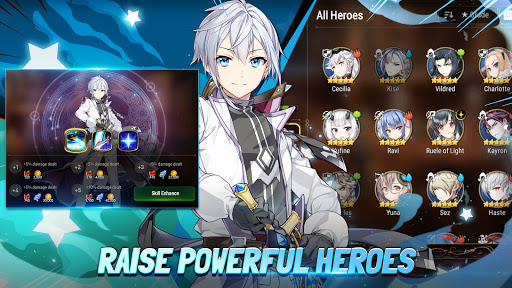
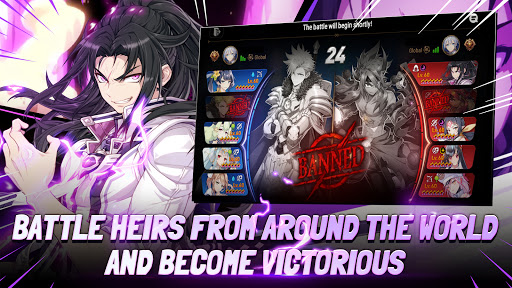
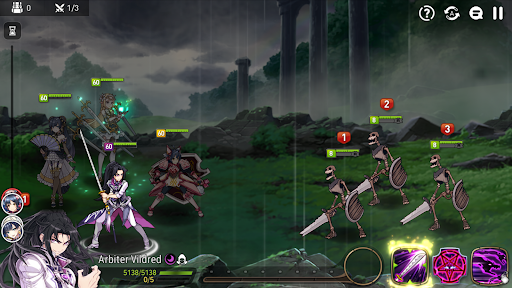
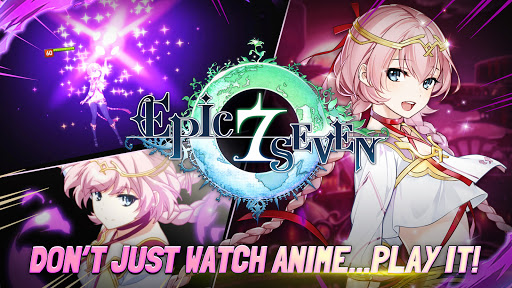
Epic Seven makes a strong first impression, and more importantly, it keeps that momentum longer than most free mobile RPGs do. After spending real time with it, what stood out most was how confidently it presents itself: this is a turn-based anime RPG that clearly wants to feel premium, and in many ways it succeeds. The art is gorgeous, the character animations have real flair, and combat has enough visual payoff that routine battles stay enjoyable much longer than they should. The biggest reason to play Epic Seven is simple: it feels crafted rather than merely assembled. A lot of mobile gachas are built around progression systems first and personality second. Epic Seven does a better job of making the world, heroes, and presentation feel like the point of the game rather than decoration around a monetization loop. The story won’t blow away anyone who has played a lot of fantasy RPGs, but it is easy to follow, competently delivered, and elevated by strong character art, voice work, and slick 2D animated sequences. There’s a genuine sense of care in how battles transition into skill cut-ins and how the game sells each hero’s identity. In day-to-day play, the combat is accessible without being brainless. Team building matters, elemental matchups matter, and skills have enough utility that even simple encounters ask for some attention early on. As the roster expands, one of the game’s better qualities becomes clear: lower-rarity heroes do not feel instantly disposable. You can put together useful teams without assuming every good answer is locked behind the rarest summons. For free-to-play players, that matters a lot. Epic Seven is not stingy by the standards of the genre, and while luck is still luck, I never felt like the game was trying to make me miserable unless I paid. That generosity also helps the onboarding. There is a lot here—story progression, resource systems, gear, arena modes, guild features, side content, and various event tracks—and at first it can feel like a small avalanche of buttons, currencies, and tutorials. To the game’s credit, once the structure clicks, it becomes much easier to settle into a rhythm. There is almost always something meaningful to do, whether that means pushing the main campaign, farming materials, experimenting with a new hero, or dipping into competitive modes. If you like long-term progression and having a full plate, Epic Seven delivers. Still, this is not a frictionless game, and its biggest weakness is the gear system. Building characters is satisfying in theory, but the actual process of acquiring and upgrading equipment can become exhausting. Good gear is not just about getting the right set; it is also about getting the right stats and then hoping upgrades land well. That layered randomness creates a lot of dead-end investment. Few things are more deflating than finally getting a promising piece of gear only to watch it roll into stats you didn’t want. For players who enjoy optimization, this can be compelling. For everyone else, it can feel like the game’s most time-consuming tax. The second issue is pacing. Epic Seven has plenty to do, but it also asks for a lot of repetition. Farming is a major part of progression, and while the battle presentation remains stylish, repeated runs eventually expose the usual mobile-RPG grind underneath. This is especially noticeable once you move beyond the honeymoon phase and start trying to seriously gear teams or prepare for harder content. Progress remains possible, but it can feel slower than the game’s otherwise polished surface suggests. The third annoyance is usability. The interface is not bad, but it is dense. New players are hit with many systems at once, and even after getting comfortable, there are still moments where the game feels overly menu-driven. Some stat terminology and upgrade logic could be explained more clearly inside the app itself. There are also occasional little irritations that chip away at the experience, like promotional pop-ups or the sense that certain conveniences are just slightly less convenient than they should be. Where Epic Seven really earns its recommendation is in how well its strengths hold up over time. The visuals do not stop being impressive. The soundtrack and battle effects keep ordinary encounters lively. Unlocking and building heroes remains fun because each character feels distinct, both aesthetically and mechanically. Competitive players also have plenty to chase, but even if you ignore top-end PvP, there is enough solo and account-building content to justify sticking around. Who is this for? It is for players who want an anime-style RPG with excellent presentation, generous free-to-play value, and enough systems to sink into for months. It is especially good for people who enjoy turn-based combat, roster building, and the slow satisfaction of strengthening a team over time. Who is it not for? Anyone who hates grinding, dislikes gear RNG, or wants a very streamlined mobile experience should be cautious. If you want instant power and minimal menu management, Epic Seven can feel like work. Even with those caveats, I came away impressed. Epic Seven is not just another flashy gacha; it is a genuinely absorbing RPG with style, personality, and more depth than its mobile format might suggest. It asks for patience, and sometimes too much of it, but if you can accept the grind, there is a remarkably polished game underneath.