
Apps Games Articles
RAID: Shadow Legends
Plarium Global Ltd
Rating 4.6star icon
Editor's summary
Editor rating
star icon star icon star icon star icon empty star icon
4.3

One-line summary RAID: Shadow Legends is easy to recommend for players who want a deep, polished team-building RPG they can sink months into, but much harder to recommend if you hate energy limits, constant store nudges, and a progression curve that increasingly favors patience or spending.

  • Installs

    50M+

  • Developer

    Plarium Global Ltd

  • Category

    Role Playing

  • Content Rating

    Teen

  • Latest version

    11.10.0

  • Package

    com.plarium.raidlegends

In-depth review
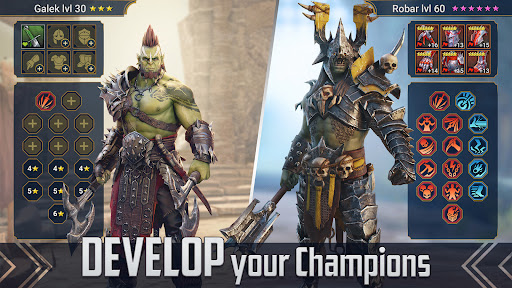
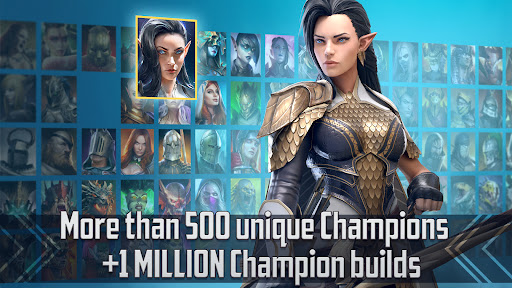
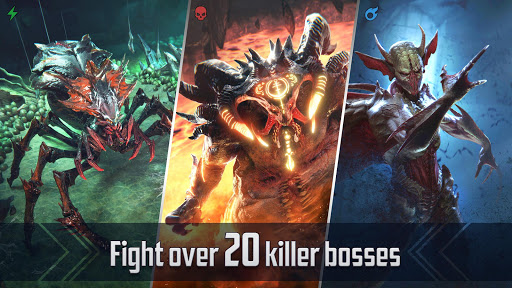
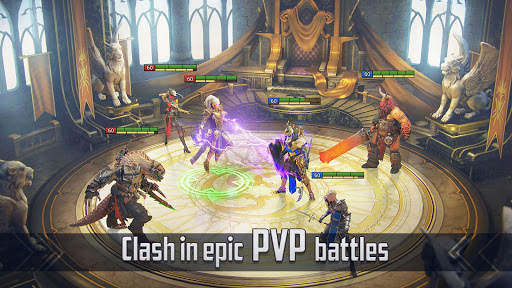
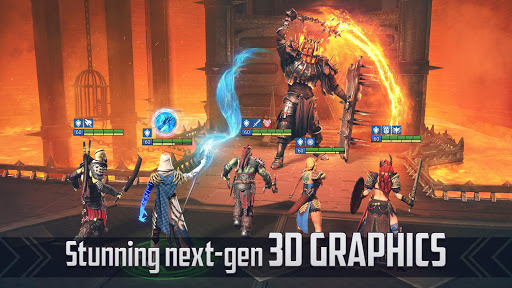
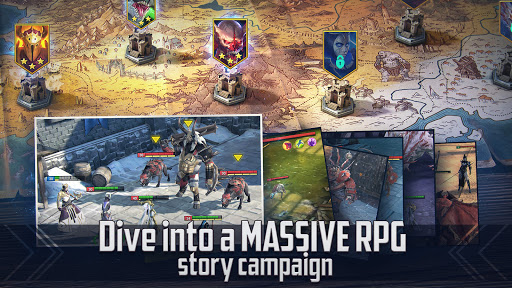
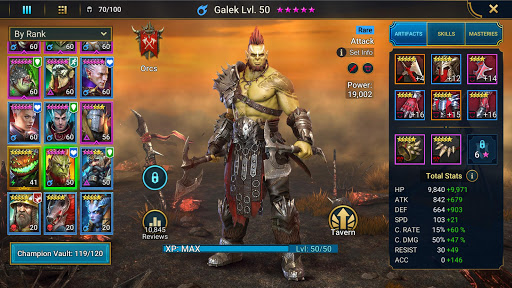
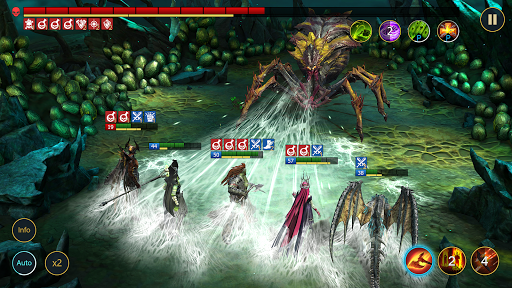
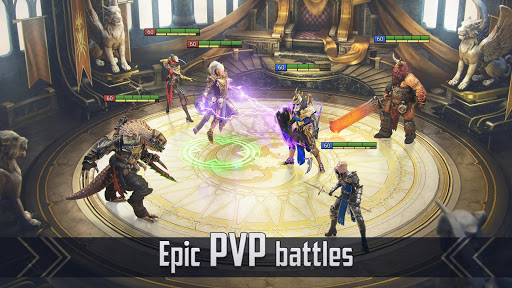
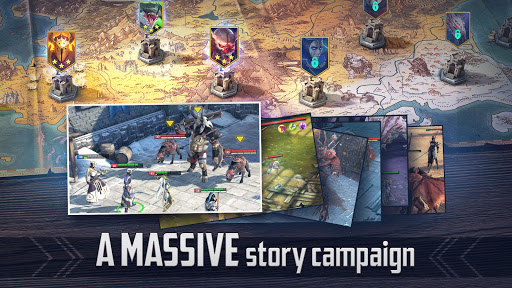
After spending real time with RAID: Shadow Legends, the clearest thing I can say is this: the game earns its popularity. Strip away the memes and sponsorship fatigue, and what you get is one of the most feature-rich mobile RPGs around. It is not subtle, it is not restrained, and it absolutely wants to keep you inside its ecosystem every day. But it also delivers a genuinely satisfying turn-based RPG loop with strong presentation, meaningful roster building, and enough long-term goals to make casual sessions turn into a regular habit. The first impression is slick. RAID looks expensive in the best way: detailed character models, flashy skill animations, dramatic environments, and a generally premium visual style that still holds up well on mobile. Champion design is a huge part of the appeal. Even early on, collecting new heroes feels good because the art and faction identity do a lot of heavy lifting. This is one of those games where you can open your roster and immediately start imagining team combinations, even before you fully understand all the systems. That early sense of possibility is one of RAID’s strongest hooks. Once the tutorial layer starts peeling back, the real game reveals itself as a broad, systems-heavy RPG built around farming, upgrading, tuning gear, and gradually shaping specialist teams for different modes. That is where RAID is at its best. This is not a button-mashing action game pretending to be deep. Team composition matters. Gear choices matter. Skill interactions matter. Some fights are less about raw power and more about whether you brought the right tools and built your champions with a purpose. There is a nice tension between short-term progression and long-term planning, and that strategic layer gives the game far more staying power than many mobile RPGs in the same space. I also appreciated how much there is to do once the game opens up. Campaign progress, dungeon farming, arena attempts, clan-related activities, account missions, daily tasks, and event chasing all create a sense that there is always another objective waiting. If you like games that reward routine and optimization, RAID can be very satisfying. You log in, clear your checklist, improve a piece of gear, level food champions, and make a little account progress. It is repetitive, yes, but it is the kind of repetition that can feel productive if you enjoy incremental improvement. That said, RAID’s biggest problems also become obvious once the honeymoon period fades. The first is monetization pressure. Technically, yes, you can play for free. In practice, the game never lets you forget that spending is an option. Store pop-ups and offer prompts are a regular part of the experience, and while they do not completely derail the game, they add a layer of friction that gets tiring over time. RAID is generous enough to be playable without paying, but it is also structured to make impatience feel expensive. The second issue is progression pacing. Early on, the game showers you with enough resources to feel fast and exciting. Later, that momentum slows down hard. Energy becomes a real consideration, account growth gets grindier, and certain goals start taking far longer than the game initially trains you to expect. If you are a patient player, this can still be rewarding. There is a real sense of achievement in finally building a stronger team or solving a difficult progression bottleneck. But if you prefer a steady stream of fast upgrades, RAID can start to feel stingy and exhausting. The third weak point is competitive balance, or at least the feeling of it. PvP and arena content can be fun in small doses, but this is where the gap between committed spenders, long-time accounts, and everyone else becomes most visible. On some days it feels strategic; on others it feels like running into a wall. Even when the broader game remains enjoyable, the arena can be the mode that reminds you most sharply that RAID is not an equal playing field. There are also smaller annoyances that add up. Inventory and roster management can start to feel like chores. Upgrading and organizing gear is important, but not always elegant. Server hiccups or connection prompts can be especially frustrating in a game built around routine farming. And while the world-building is present, the story itself is not the main reason to stay. RAID is far more compelling as a systems game than as a narrative adventure. Still, it is hard not to respect just how much game is here. One of RAID’s biggest strengths is that it feels like a hobby game rather than a disposable mobile time-killer. You can engage casually through auto-battles and daily objectives, or you can go deep into optimizing builds and tailoring teams for specific content. That flexibility is part of what keeps it relevant. It works reasonably well for players who want something to check in on throughout the day, and it works even better for players who enjoy planning out long-term progression. So who is RAID for? It is for players who like turn-based RPGs, collecting characters, grinding for better gear, and slowly building a stronger account over weeks and months. It is especially good for people who enjoy theorycrafting and can tolerate repetition in exchange for meaningful progression. It is not for players who hate gacha randomness, dislike resource gates, or want a fair and relaxed competitive environment. It is also not ideal for anyone looking for a story-first RPG with minimal monetization friction. In the end, RAID: Shadow Legends succeeds because beneath the aggressive monetization and marathon grind, there is a genuinely well-made strategy RPG with depth, polish, and long-term appeal. If you can accept its pacing and resist the pressure to spend, it offers a lot more substance than its reputation sometimes suggests.