
Apps Games Articles
Highrise: Virtual Metaverse
Pocket Worlds
Rating 4.3star icon
Editor's summary
Editor rating
star icon star icon star icon star icon
half star icon
4.5

One-line summary Highrise is one of the most engaging avatar-social apps on Android thanks to its lively community and deep customization, but its economy can feel stingy enough to frustrate anyone who refuses to spend.

  • Installs

    5M+

  • Developer

    Pocket Worlds

  • Category

    Role Playing

  • Content Rating

    Mature 17+

  • Latest version

    1.41.1

  • Package

    com.pz.life.android

In-depth review
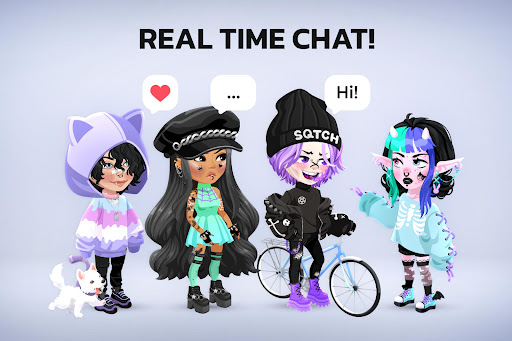
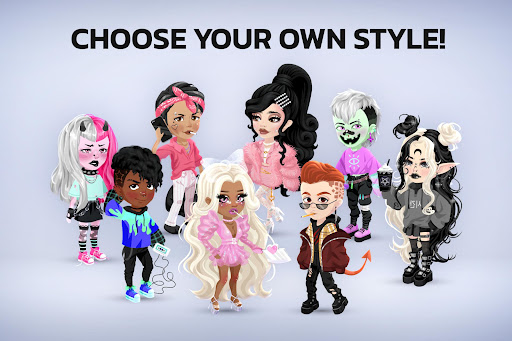
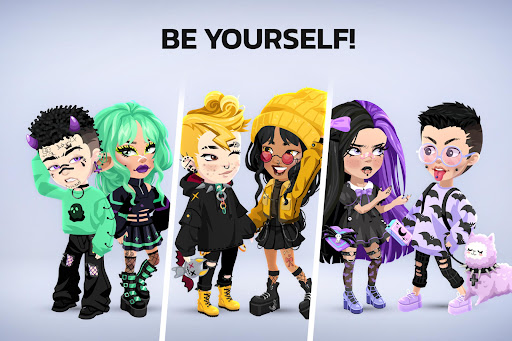
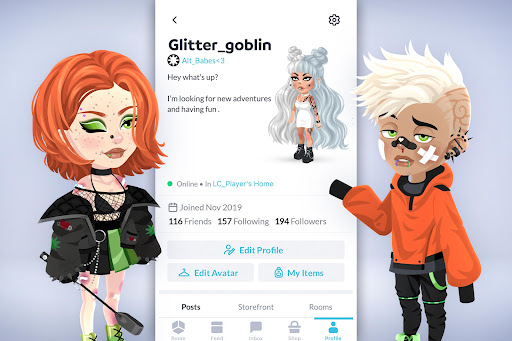
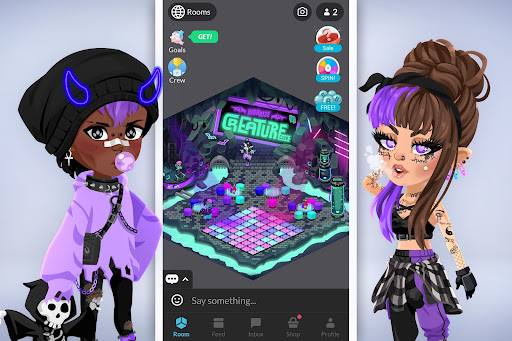
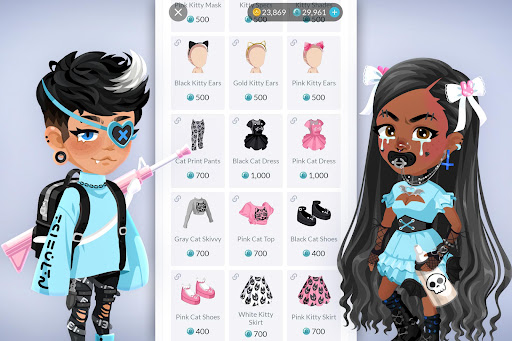
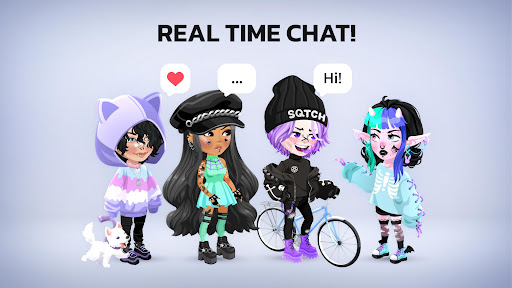
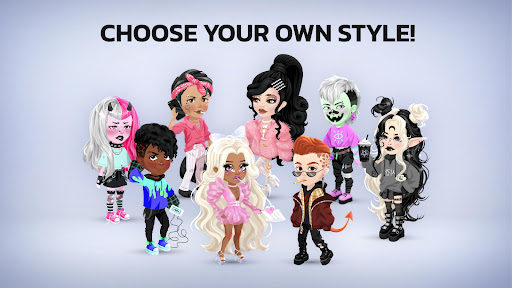
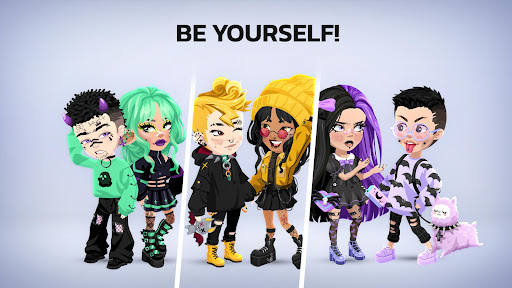
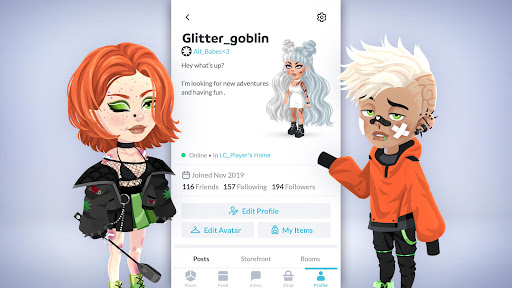
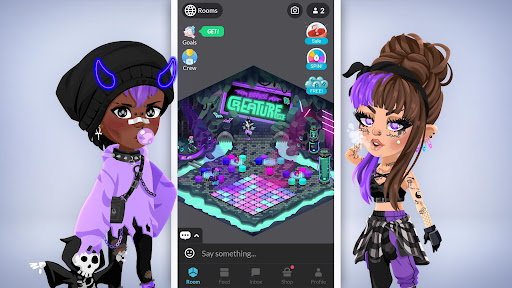
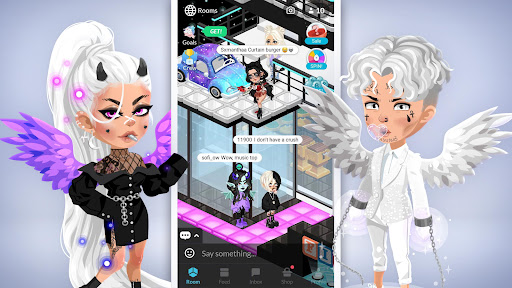
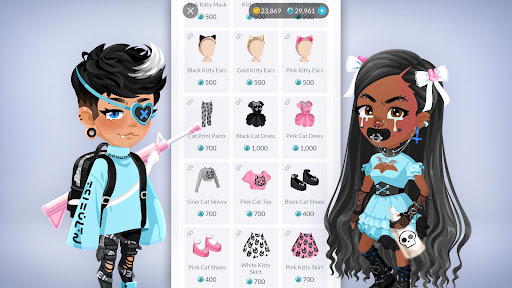
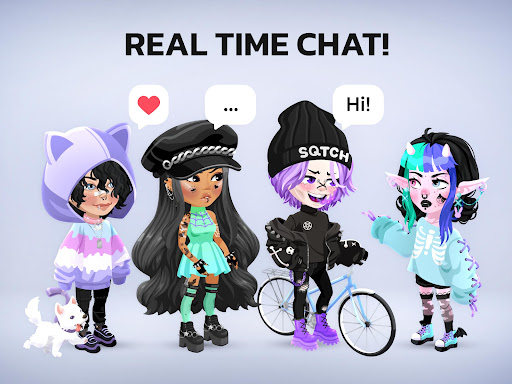
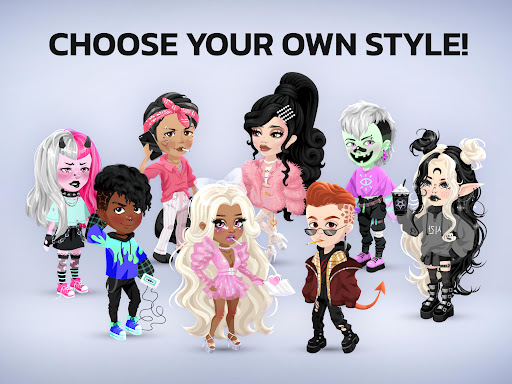
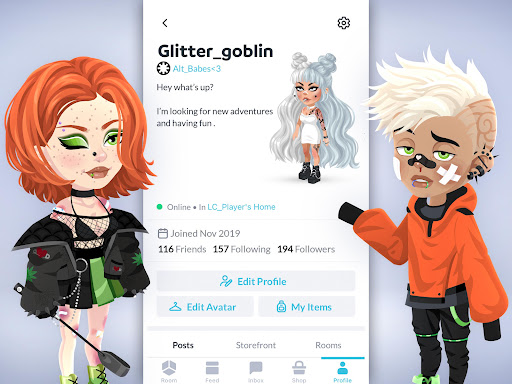
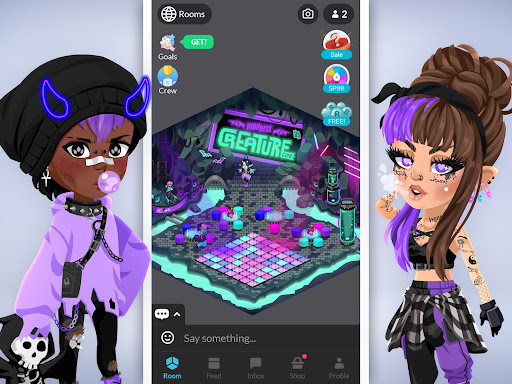
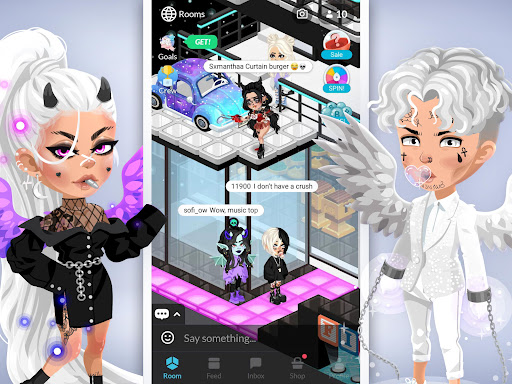
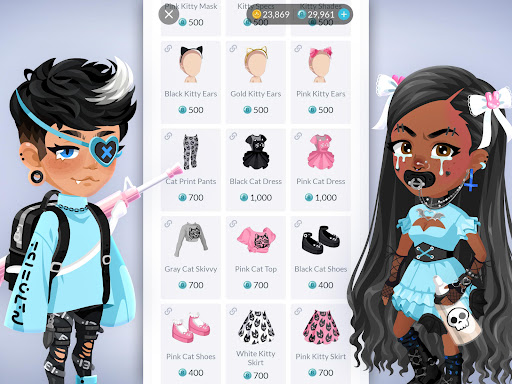
Highrise: Virtual Metaverse is one of those apps that immediately tells you what it wants to be the moment you step in: part dress-up game, part virtual hangout, part social sandbox. After spending real time with it, what stood out most was not any single feature, but how successfully it turns routine mobile play into a habit. You log in to tweak your avatar, then you wander into a room, then you chat, then you peek at someone’s outfit, then you browse items, then somehow a quick session has turned into a long one. The first thing Highrise gets right is style. Avatar customization is the hook, and it is a strong one. The wardrobe feels broad enough to support wildly different identities rather than just minor variations on the same look. Whether you want something cute, flashy, dark, casual, fantasy-inspired, or just weird in a fun way, the game gives you enough visual freedom to make your character feel personal. That same appeal carries into room design. Decorating spaces is satisfying because the art direction has personality, and there is genuine joy in seeing other players’ rooms and how differently they use the same tools. The second big strength is the social layer. Plenty of apps promise community, but Highrise actually feels populated. Rooms rarely feel like empty lobbies waiting for activity to happen. Instead, there is a sense that something is always going on somewhere, whether that is casual hanging out, roleplay, voice chat, fashion-focused events, or just people showing off their latest look. The social feed and room-based structure give the app momentum. It does not feel like a static customization game with chat bolted on; it feels like a social space where customization is the language everyone speaks. That leads to the third major win: Highrise is surprisingly easy to settle into. Even when certain systems are a little messy, the app is good at giving you reasons to come back. Daily tasks, room hopping, collecting items, pet collecting, posting, and event participation create a loop that feels low-pressure but sticky. It is the kind of app that works both as a focused hobby and as a casual check-in game. You can spend an hour doing nothing especially productive and still feel entertained. That said, Highrise is not frictionless, and the biggest frustration is the economy. A lot of the most desirable fashion and collectible content sits behind a currency wall that can feel steep if you are trying to play for free. There are ways to earn premium currency without paying, including ads and offers, but in practice the pace can feel slow relative to item pricing. That mismatch matters because self-expression is the whole point here. When the best part of the app is dressing up and trading, expensive items do not just feel optional; they can make the experience feel gated. The second weakness is that some of the interface and building tools still feel clunky. Room decoration is usable, but not elegant. Placing furniture takes more patience than it should, and the limited viewing and rotation feel can make detailed room design more awkward than creative. Trading and marketplace interactions also take a little getting used to. None of this is disastrous, but there are moments where the app feels more fiddly than polished. The third issue is inconsistency around smoothness and convenience. In general, the app performs well enough to stay enjoyable, but not every part of the experience feels equally refined. Ad-based rewards can be unreliable, some updates and visual changes may not land for everyone, and a few systems could use clearer help or onboarding. Highrise is easy to enjoy, but not always easy to fully understand at first. It has the classic social-game trait of expecting you to learn by hanging around. What I appreciated most during extended use is that Highrise never feels like a lonely grind machine. Even when I was just browsing outfits or poking around rooms, the app kept reinforcing the sense that there are real people shaping the experience. That gives even the collecting and fashion aspects more energy. It is not just about unlocking a cool jacket; it is about wearing it somewhere people will notice. That social payoff is what keeps the app from becoming just another customization catalogue. Who is this app for? It is a strong pick for players who like avatar creation, social spaces, digital fashion, virtual room decorating, and lightweight community-driven roleplay. If you enjoy hanging out online as much as progressing through systems, Highrise makes a very good case for itself. It is also well suited to players who like collecting and trading, and who do not mind learning a slightly messy in-game economy over time. Who is it not for? If you dislike chat-heavy experiences, have little patience for cosmetic economies, or want a tightly structured game with clear goals and traditional progression, this probably will not be your thing. It also is not ideal for players who get irritated when premium items visibly outshine free options. Overall, Highrise succeeds because it understands the emotional appeal of virtual identity. It gives you a place to build a look, show it off, meet people, and keep coming back for more. The economy is too aggressive at times, and some tools need refinement, but the core experience is lively, attractive, and consistently fun. For the right player, this is not just a dress-up app or a chat app. It is a social hobby.