
Apps Games Articles
Fallout Shelter
Bethesda Softworks LLC
Rating 4.5star icon
Editor's summary
Editor rating
star icon star icon star icon star icon
half star icon
4.5

One-line summary Fallout Shelter is one of the rare free mobile management games I can recommend without hesitation thanks to its genuinely fair progression and excellent Fallout flavor, though its long timers, fiddly vault management, and limited room rearranging can wear thin over time.

  • Installs

    50M+

  • Developer

    Bethesda Softworks LLC

  • Category

    Simulation

  • Content Rating

    Teen

  • Latest version

    1.15.7

  • Package

    com.bethsoft.falloutshelter

In-depth review
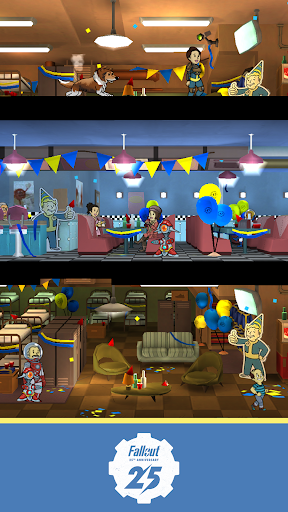
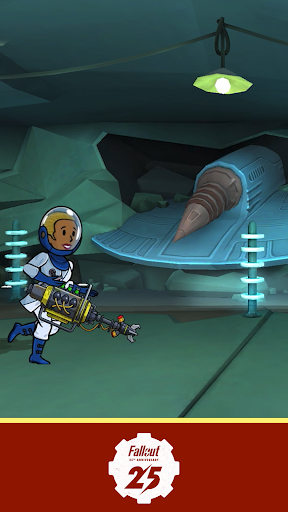
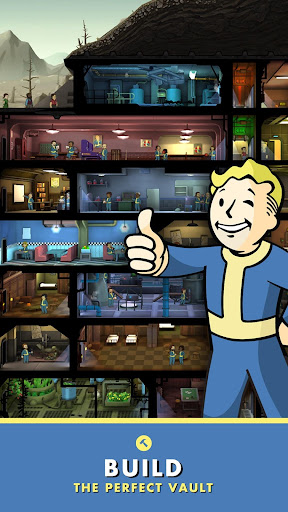
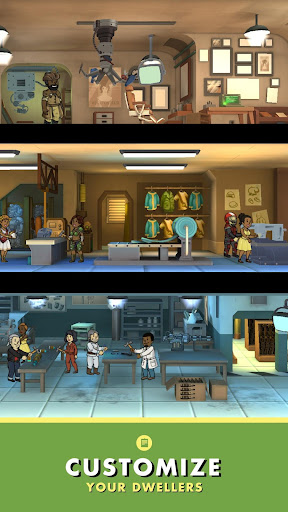
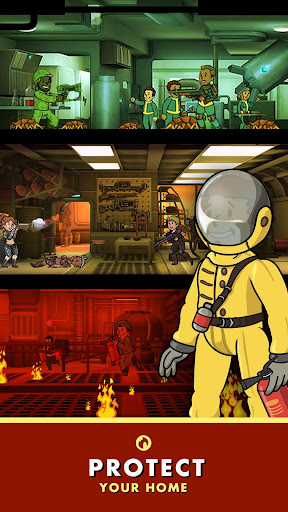
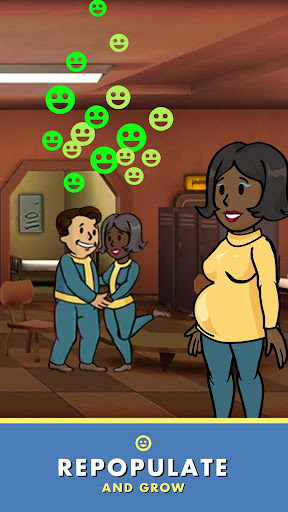
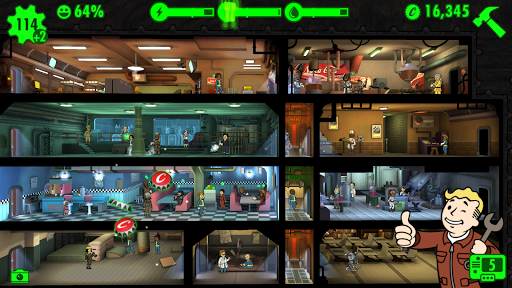
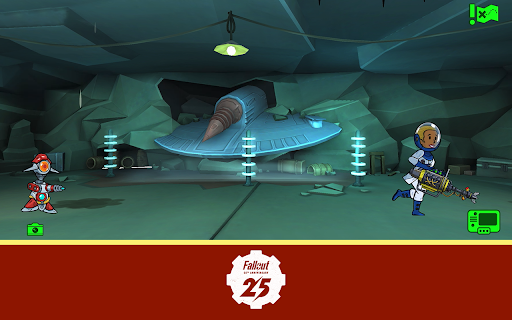
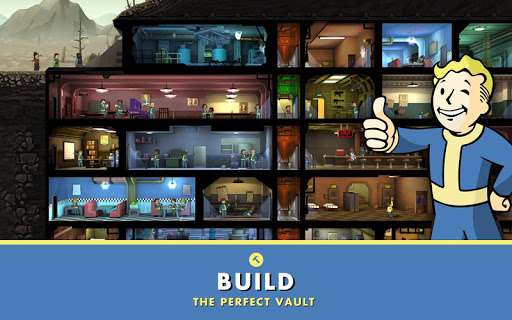
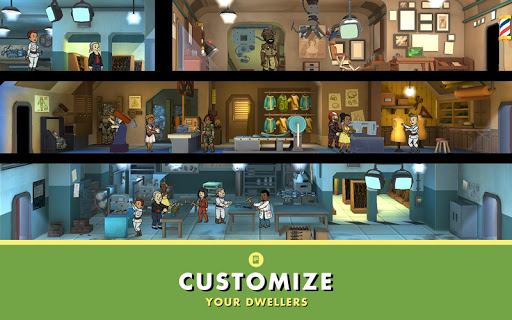
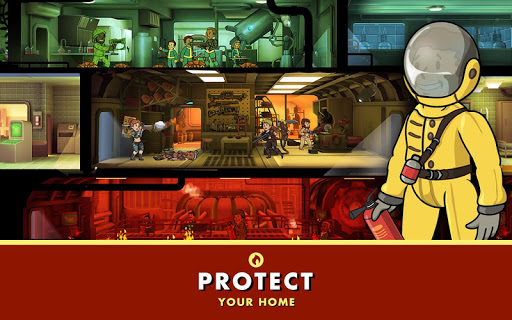
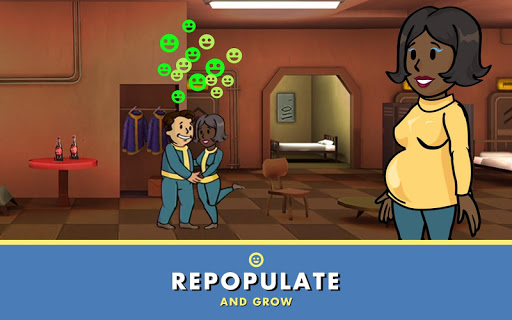
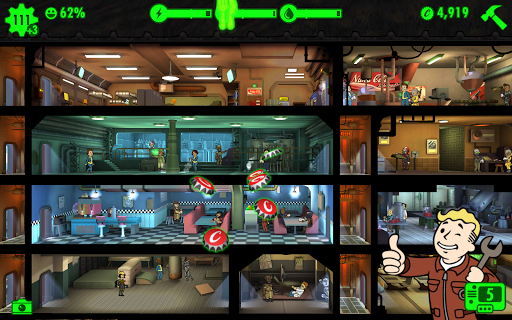
Fallout Shelter remains one of the smartest adaptations of a big game franchise to mobile because it understands what should be simplified and what absolutely should not. After spending real time with it on phone, what stands out most is how comfortably it fits into short play sessions without feeling disposable. You can open it for five minutes to collect resources, assign a few Dwellers, start a training cycle, and send someone into the wasteland, or you can sit with it longer and get absorbed in quests, optimization, and the endless tinkering that comes with building a functional vault. The core loop is immediately readable. You dig into the rock, build rooms, assign Dwellers based on their S.P.E.C.I.A.L. stats, and try to keep power, food, and water stable while your little underground society grows. It is easy to understand, but not as brainless as the cartoon look might suggest. A badly planned vault can spiral into chaos surprisingly fast. One fire in the wrong place, one radroach outbreak during a resource dip, or one overambitious expansion before your population is ready, and suddenly the whole operation feels fragile. That tension gives the game more bite than many mobile base-builders. Its biggest strength is pacing. Fallout Shelter is a free-to-play game, but it rarely feels like it is constantly grabbing your sleeve and asking for money. Progress is absolutely faster if you spend, but during my play time I never felt boxed in by aggressive monetization. That matters. So many management games are ruined by hard paywalls or by wait timers that make basic progress feel held hostage. Here, the waiting is part of the rhythm rather than the whole business model. You check in, make decisions, and let the vault keep breathing in your absence. It is one of the few phone games that still feels comfortable as a casual side game instead of a needy daily obligation. The second major strength is presentation. The Fallout identity comes through clearly, even in this smaller format. The Vault Boy art, the retro-futurist UI touches, the dry humor, the gear, and especially the atmosphere all make this feel connected to the larger Fallout universe rather than a generic tie-in with a famous logo pasted on top. Watching Dwellers hustle through rooms, train, flirt, fight, and stumble through disasters gives the vault personality. It is not deep character writing, but the game is very good at making you care about your favorite residents simply because you have invested time in them. The third strength is variety. The game is at its best when it stops being only a spreadsheet with smiling cartoon faces. Sending Dwellers into the wasteland and equipping quest teams adds a welcome adventurous edge to the management side. Those excursions break up the build-and-collect pattern and make the world outside the vault feel hostile and rewarding. It also helps that the game works well as an offline option, which makes it unusually practical for commuting or low-connection situations. That said, Fallout Shelter is not frictionless, and some of its annoyances feel older than they should. The most obvious weakness is that long-term vault management can become fiddly. Moving Dwellers around on a phone screen is not always elegant, especially once your vault gets dense and busy. It is easy to make accidental assignments or spend more time wrestling with touch controls than making strategic choices. This is one of those games that feels better in concept than in finger-level execution once your underground base becomes a maze. Another frustration is layout permanence. Building your vault is satisfying early on, but redesigning it later is clumsier than it should be. If you realize your room placement was inefficient, fixing it can mean tearing down and rebuilding sections in a way that feels more tedious than strategic. For a game so centered on optimization, the lack of a more graceful rearrangement system becomes increasingly noticeable as your vault matures. The third weakness is repetition over the long haul. Fallout Shelter is engaging, but it is not endlessly surprising. Once the systems click, the cycle of collecting, assigning, waiting, upgrading, and responding to incidents can flatten out. Quests and exploration help, but there are stretches where the game feels more like maintenance than discovery. That is not fatal for a management sim, but it does define who this game is really for. If you enjoy slow-burn builders, optimization games, or the gentle satisfaction of checking in throughout the day, Fallout Shelter is still easy to recommend. It is especially good for players who want something with real progression but without the stress of mandatory nonstop attention. It also works well for Fallout fans who want a lighter, more portable slice of the universe. If you hate timers, dislike micro-management on touchscreens, or want constant action and fresh objectives every session, this is probably not your game. The combat and quests add texture, but this is still fundamentally a management sim driven by patience, planning, and routine. Even years after release, Fallout Shelter holds up because it respects the player more than most free mobile games do. It gives you enough strategy to think about, enough Fallout charm to keep it distinctive, and enough flexibility to fit into real life. It is not perfect, and some of its rough edges are impossible to ignore once your vault gets complicated, but as a free simulation game it remains unusually polished, fair, and easy to keep installed.