
Apps Games Articles
ZEPETO: Avatar, Connect & Live
Naver Z Corporation
Rating 4.6star icon
Editor's summary
Editor rating
star icon star icon star icon star icon
half star icon
4.5

One-line summary ZEPETO is one of the most engaging avatar-social apps on mobile thanks to its expressive customization and creator-friendly vibe, but the fun is held back by lag, occasional upload glitches, and a premium currency economy that can feel stingy.

  • Installs

    100M+

  • Developer

    Naver Z Corporation

  • Category

    Entertainment

  • Content Rating

    Teen

  • Latest version

    4.18.100

  • Package

    me.zepeto.main

Screenshots
In-depth review
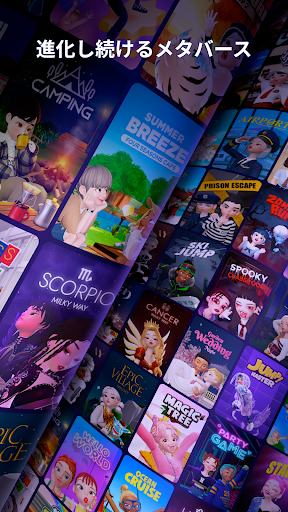
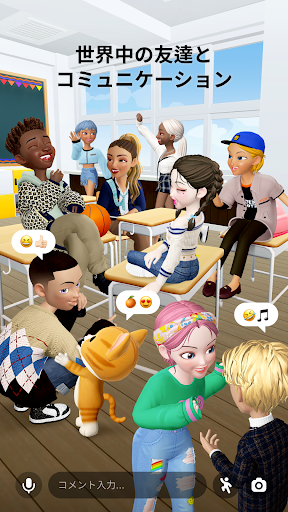
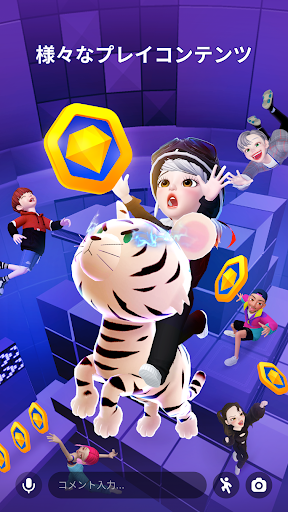
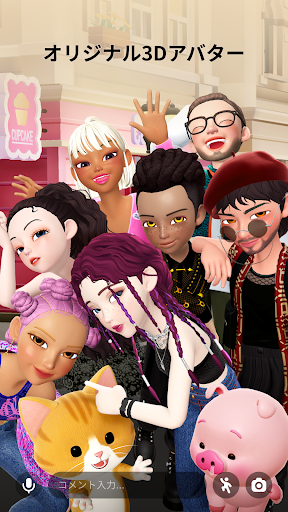
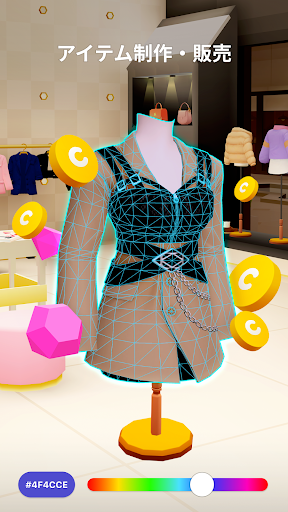
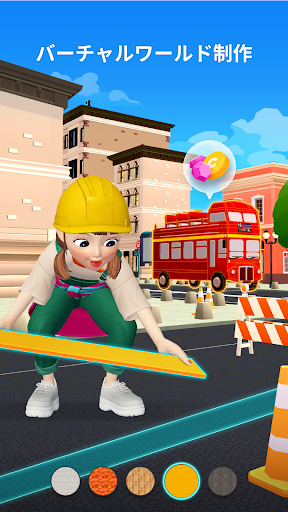
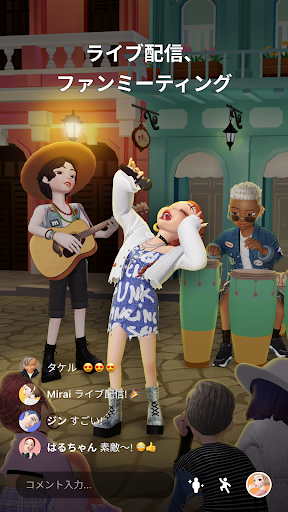
ZEPETO feels less like a conventional game and more like a social playground built around a digital version of yourself. After spending time with it, that distinction matters. If you come in expecting structured progression, tightly designed missions, or the kind of gameplay loop you would get from a traditional mobile game, you may bounce off it quickly. But if the idea of building an avatar, styling it obsessively, making dance clips, exploring themed worlds, and casually meeting people online sounds appealing, ZEPETO has a very real pull. The first thing that stands out is the avatar creation. This is easily the app’s biggest strength. ZEPETO gives you a character that is polished enough to feel expressive but stylized enough to be playful. It lands in a sweet spot between doll-like customization and social-media identity tool. Tweaking hair, outfits, accessories, makeup, and general vibe is genuinely fun, and the app understands that this is the core reason many people are here. It makes you want to keep checking the wardrobe, trying different looks, and experimenting with how your avatar presents itself in photos, videos, and worlds. That part feels sticky in the best way. The second big win is how naturally ZEPETO blends social content and self-expression. It is one of the few apps where making a post, creating a short dance clip, changing your outfit, and hopping into a virtual world all feel like parts of the same experience rather than disconnected features. I liked that it doesn’t force you to show your real face to participate. For shy users, younger users within the app’s age rules, or anyone who enjoys online creativity without putting themselves directly on camera, that is a huge draw. Making content through an avatar lowers the pressure in a way that feels smart, and it gives the app a distinct personality. The third strength is variety. There is a lot to poke at here: social feeds, avatar content, themed worlds, events, creator items, and a broader sense that there is always something new to look at. Even when one part of the app feels thin, another part often gives you a reason to stay. That constant motion helps ZEPETO feel lively instead of static. That said, the app is not friction-free. The biggest weakness I ran into was performance inconsistency. On a good session, it runs smoothly enough and feels lively. On a bad one, loading can drag, worlds can lag, and some screens feel heavier than they should. This is especially noticeable in shared spaces where responsiveness matters. An app like this lives or dies on fluidity because the entire fantasy depends on your avatar feeling present. When the app stutters, hangs on loading, or struggles to keep up during social or world-based interactions, the magic slips. The second weak point is content creation reliability. ZEPETO clearly wants to be a place where users make and share videos, dance clips, and edited posts, and that ambition is part of its appeal. But in practice, the upload and media side can be uneven. I ran into moments where video output did not feel fully dependable, especially with audio syncing and playback smoothness. When an app encourages creativity this heavily, those rough edges become more annoying than they would in a simpler social app. If you are just dressing up an avatar and browsing, this may be a minor issue. If you want to post regularly, it becomes harder to ignore. The third frustration is the economy around premium currency. Coins are useful, but Zems are where many of the more desirable style options live, and getting them can feel restrictive unless you are willing to pay or grind through specific methods. That does not make the app unplayable, but it does shape the experience. You can absolutely have fun for free, yet there is a recurring sense that the most eye-catching fashion is sitting just beyond easy reach. For a style-first app, that tension is impossible to miss. I do appreciate that ZEPETO generally avoids the kind of ad-heavy experience that ruins many free mobile apps. The monetization pressure shows up more through desirable items than through constant interruption, and that is the better trade-off. It means the app still feels usable for long sessions, especially if your goal is social browsing, casual world-hopping, or dressing up your avatar. Who is this app for? It is for people who love avatar fashion, virtual identity, dance-style content creation, and lightweight social interaction. It is especially good for users who want a social outlet without needing to put their real selves on display. It is also a strong fit for creative users who enjoy making looks, posting stylized content, and spending time in a visually expressive community. Who is it not for? If you want a deep game with clear objectives and satisfying progression, ZEPETO may feel too loose. If you are impatient with loading issues or technical hiccups, the rougher moments will test your patience. And if premium currency walls frustrate you, the fashion economy may wear you down over time. Overall, ZEPETO succeeds because it understands what people come for: identity, style, and social play. At its best, it is charming, creative, and easy to sink into. At its worst, it feels like a polished avatar platform still wrestling with performance and monetization friction. Even so, I came away thinking it is one of the more compelling avatar-centered social apps on Android, especially for users who value self-expression more than structured gameplay.