
Apps Games Articles
Stash: Investing made easy
Stash Financial
Rating 4.0star icon
Editor's summary
Editor rating
star icon star icon star icon star icon empty star icon
4.2

One-line summary Stash is one of the friendliest investing apps for beginners and long-term savers, but I’d hesitate if you want fast transfers, zero subscription friction, or a more trader-focused experience.

  • Installs

    10M+

  • Developer

    Stash Financial

  • Category

    Finance

  • Content Rating

    Everyone

  • Latest version

    2.0.49.5

  • Package

    com.stash.stashinvest

In-depth review
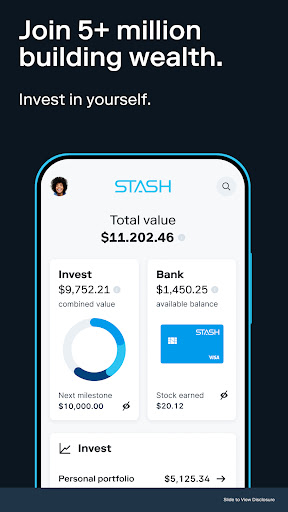
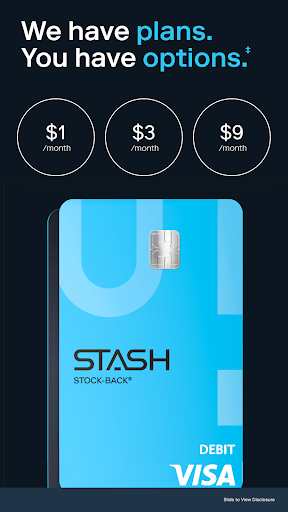
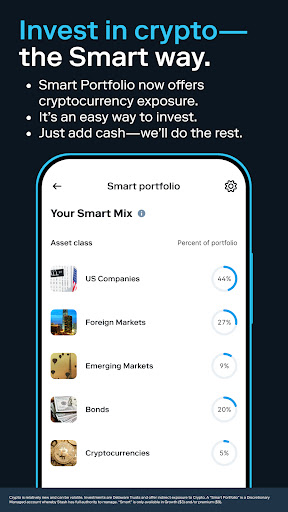
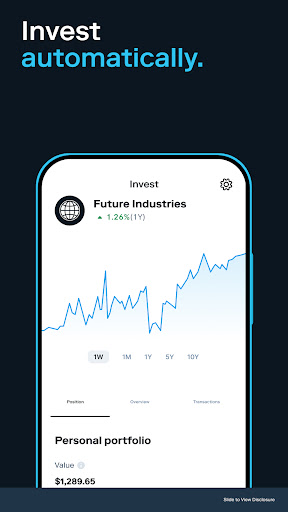
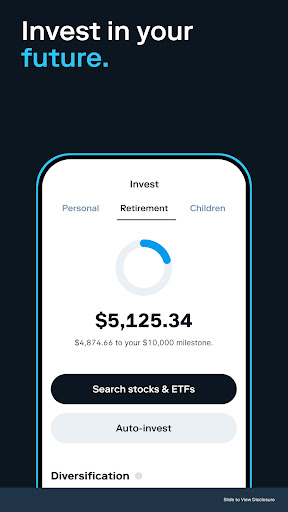
After spending real time with Stash, the clearest thing about it is that it knows exactly who it wants to serve: people who are intimidated by investing, don’t want to stare at charts all day, and would rather build good habits than chase hot stocks. In that lane, it does a lot right. The setup feels designed to lower anxiety. Instead of throwing you into a dense brokerage interface full of tickers, options chains, and advanced jargon, Stash eases you in with a friendlier tone and a much more guided structure. The app doesn’t try to make you feel like a Wall Street pro on day one. It tries to make you feel comfortable putting your first few dollars to work, and that difference matters. For beginners, that creates a surprisingly approachable experience. What I liked most in daily use is how Stash turns investing into something routine instead of dramatic. The automation tools are the real backbone here. Once recurring deposits are set up, the app becomes less about timing the market and more about steadily building a portfolio in the background. That “set it and keep going” design is where Stash feels strongest. It encourages consistency, and the overall app flow supports that mindset well. The second thing Stash does well is education without being preachy. The app presents investing information in a way that feels digestible, not academic. You don’t need to understand every market term upfront to get value out of it. Browsing investments, reading the in-app explainers, and checking progress all feel accessible. For someone who is new to investing or still building confidence, that ease of understanding is a major win. Plenty of finance apps claim to simplify investing; Stash actually puts effort into making the experience feel less intimidating. The third major strength is flexibility at the entry level. You can start small, and that makes a huge difference for people who want to learn by doing instead of waiting until they have a large lump sum. Stash feels built for gradual participation. If your goal is to invest modest amounts on a regular basis, or treat it as a disciplined long-term savings and investing tool, the app fits naturally into everyday life. That said, Stash is not frictionless, and some of its weaknesses show up quickly if you move beyond that beginner use case. The biggest drawback is that the app can feel slow when money is moving. Deposits and transfers are not the kind of thing you want to micromanage here. If you are the sort of person who expects instant control over funds, quick exits, or a highly responsive brokerage experience, Stash can feel restrictive. It works better when you treat it like a long-term habit builder than when you expect fast, nimble money movement. The subscription model is the second sticking point. Even if the monthly fee is relatively low, it changes the emotional equation. With a traditional brokerage, users often expect investing access without a recurring app-style charge. On Stash, that fee becomes part of the value judgment. If you are actively using the educational tools, automation, and banking-style extras, it can make sense. But if you are only dabbling or keeping a very small balance, the fee can feel like an unnecessary drag. The third weakness is polish in smaller but noticeable places. Stash is generally easy to use, but some parts of the experience still feel a step behind the best finance apps. Certain controls and settings can be less clear than they should be, and there are moments where the app feels more optimized for guiding you into the ecosystem than giving you deep account control at a glance. I also found that some portfolio and transaction views could be more intuitive. For a product built around simplicity, those rough edges stand out more than they would in a pro-grade brokerage app. There’s also a broader philosophical point: Stash works best when you accept its worldview. It wants you to think long term, invest regularly, and avoid overtrading. That’s generally smart advice, and the app is at its best when reinforcing those behaviors. But it also means the experience can feel limiting if you want a platform that grows with you into more advanced analysis, tighter portfolio controls, or a more customizable investing workflow. Who is it for? First-time investors, younger savers, busy professionals who want automation, and anyone trying to build a steady investing habit without drowning in complexity. It also makes sense for people who like the idea of combining investing guidance with banking-style features in one app. Who is it not for? Day traders, fee-sensitive investors who want bare-bones brokerage access, and users who get frustrated by slower transfers or any sense of account friction. If you want maximum control and speed, this probably won’t be your favorite platform. Overall, I came away liking Stash more than I expected. It is not the most powerful investing app, and it definitely is not the cheapest-feeling experience once fees and transfer pacing enter the conversation. But for the right person, it succeeds at something more important: it makes investing feel doable. That’s a bigger achievement than it sounds. If your goal is to build wealth slowly, learn as you go, and keep your investing life simple, Stash is genuinely easy to live with. Just go in knowing that convenience here comes with a few trade-offs.
Alternative apps