
Apps Games Articles
My Perfect Hotel
SayGames Ltd
Rating 4.4star icon
Editor's summary
Editor rating
star icon star icon star icon star icon empty star icon
4.2

One-line summary My Perfect Hotel is an oddly satisfying hotel-management time sink that nails the loop of running around, upgrading, and expanding, but its heavy ad pressure and occasional rough edges make it easier to like than to fully love.

  • Installs

    10M+

  • Developer

    SayGames Ltd

  • Category

    Arcade

  • Content Rating

    Everyone

  • Latest version

    1.0.14

  • Package

    com.master.hotelmaster

In-depth review
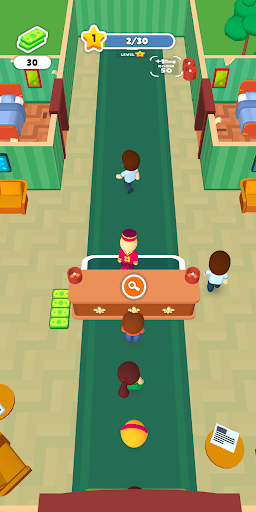
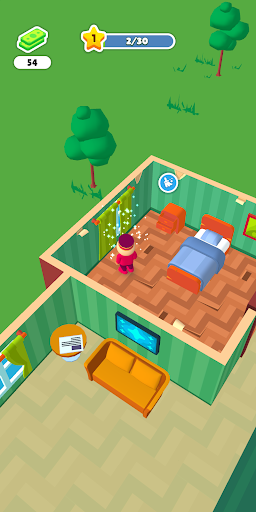
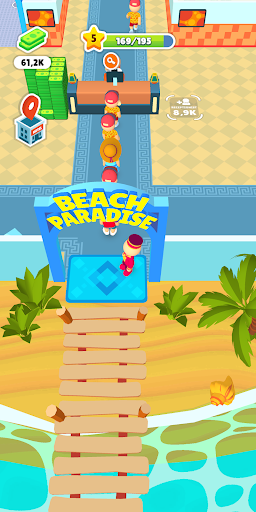
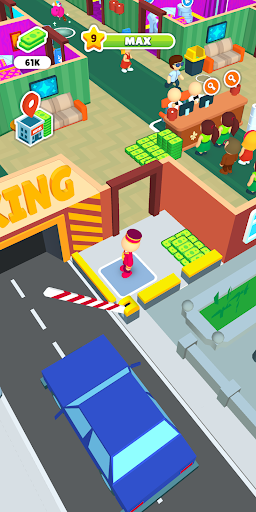
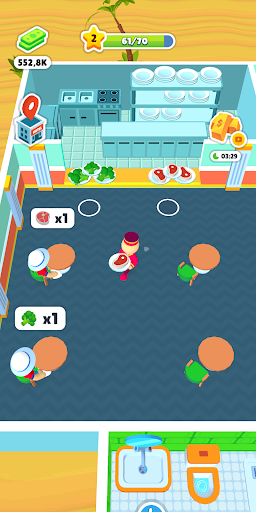
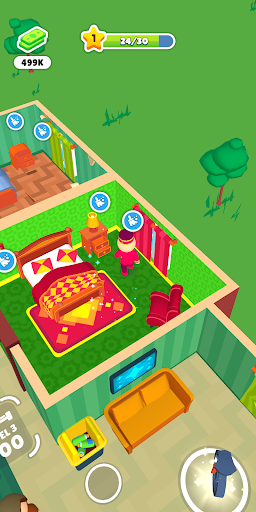
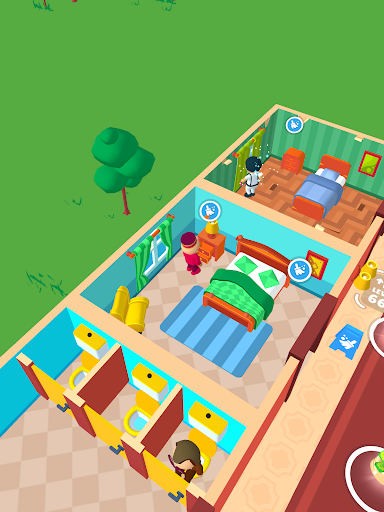
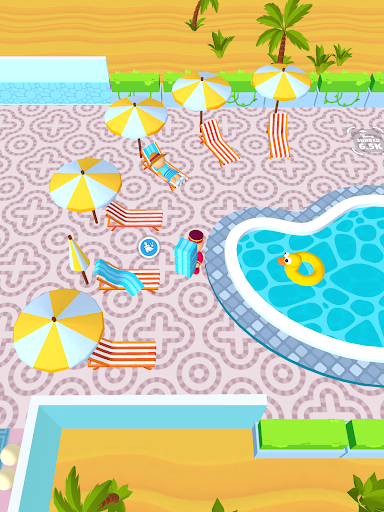
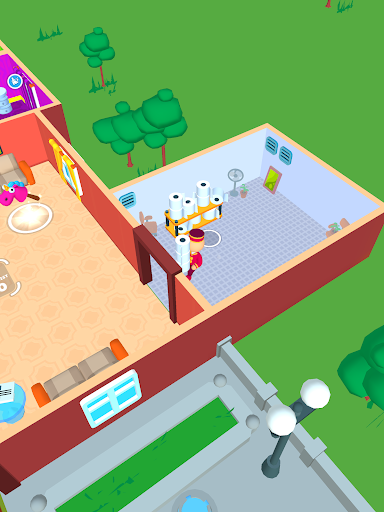
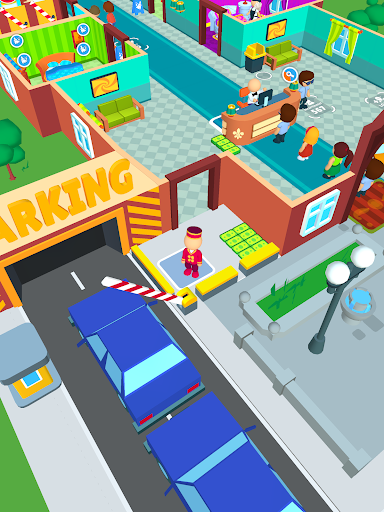
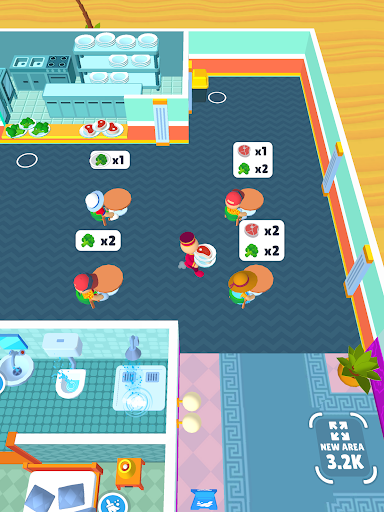
My Perfect Hotel understands something a lot of mobile management games forget: the basic act of doing chores can be genuinely fun if the feedback is quick enough. After spending real time with it, that is the clearest reason the game works. You start small, handling reception, cleaning rooms, restocking supplies, and collecting cash yourself, and the early game has a great rhythm. There is always one more task to finish, one more line of guests to clear, one more room to improve, and one more upgrade that promises to make the whole machine run a little smoother. That constant movement is the game’s biggest strength. It has the satisfying “just five more minutes” quality of a good idle-management hybrid, except you are rarely idle. You are jogging from room to room, scooping up money, topping off supplies, and trying to keep different hotel services from becoming bottlenecks. It is simple, but it rarely feels dead. Even when the mechanics repeat, the game maintains momentum by making each improvement immediately visible. Faster movement speed matters. Better staff matters. New amenities matter. When a hotel starts out chaotic and gradually becomes efficient, the sense of progress is tangible. The second thing My Perfect Hotel gets right is accessibility. This is not a punishing strategy sim. It is easy to understand within minutes, and it never feels like it is trying to overwhelm the player with systems. If you take too long, the game does not punish you with catastrophic failure. That makes it ideal as a low-stress mobile game: the kind of thing you can dip into while watching TV, commuting, or killing time between tasks. There is enough management to make you feel engaged, but not so much that it becomes mentally exhausting. For players who like “mindless but active” games, this balance is a big part of the appeal. A third strength is that the game generally delivers what it looks like it delivers. The core fantasy is not a bait-and-switch. You really are running around a hotel, doing hotel chores, unlocking facilities, and growing each property step by step. New locations and visual themes help break up the repetition, and while this is not a deep interior-design sandbox or a realistic business simulator, it does a decent job of making each new hotel feel like another rung on the ladder rather than just a palette swap. That said, the game absolutely has friction points, and the most obvious one is advertising. In free-to-play mode, My Perfect Hotel can feel far too eager to interrupt or tempt. Even when the ads are short, they are frequent enough to shape the experience. There is a difference between a game that offers ad-based boosts and a game that constantly reminds you that a smoother version of the game exists on the other side of a purchase. My Perfect Hotel often lands closer to the latter. If you are very tolerant of mobile ads, you may shrug this off. If you are not, the friction becomes impossible to ignore after a while. The second weakness is repetition. The game is fun because the loop is clean, but it is still a loop. Clean room, collect cash, restock item, unlock amenity, hire worker, repeat. The later hotels add scale and variation, but they do not fundamentally reinvent the experience. For some players, that is exactly the point: it is comfort food. For others, especially those hoping for a richer management sim with more strategic decision-making, the game starts to feel like it is stretching a straightforward idea over a long progression path. The third issue is polish. Most of the time, the game feels smooth enough, but it does not take long to notice small irritations. Pathfinding and worker behavior can look a little dumb, with helpers not always feeling as efficient as they should. Pickup interactions are not always perfect either, and some objects or cash drops can end up in awkward spots. Extended play can also expose bits of lag or visual weirdness. None of this completely breaks the game, but it does chip away at the illusion of a tightly tuned management machine. Where I ultimately land on My Perfect Hotel is this: it is a very good casual game and a less impressive management game. If you come to it wanting a relaxing, satisfying chore loop with clear upgrades and lots of tactile busywork, it is easy to recommend. There is something pleasantly hypnotic about turning a shabby, underdeveloped hotel into a bustling, multi-service property. Watching your staff multiply and your routine become more efficient scratches the same itch as organizing a messy room or optimizing a production line. If, however, you want depth, elegant balance, and a premium-feeling experience without monetization pressure, this is probably not your best pick. The ads are too central to the free version, and the game’s simplicity can start to feel thin once the novelty fades. It also is not ideal for players who are easily irritated by minor bugs, sluggish helpers, or repetitive task structures. So who is this for? Casual players, fans of low-stakes time-management loops, and anyone who likes games that keep their hands busy without demanding much thought. It is also a strong option for people who enjoy offline-friendly, stress-relieving mobile play. Who is it not for? Players looking for deep strategy, refined simulation systems, or a clean premium experience from the start. My Perfect Hotel succeeds because it knows how to make work feel rewarding. It stumbles because it too often wraps that satisfaction in interruptions and repetition. Still, when the loop clicks, it is easy to see why people keep coming back to tidy rooms, stock bathrooms, collect tips, and chase the next upgrade.