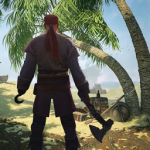

Apps Games Articles
LOST in BLUE
Volcano Force
Rating 4.5star icon
Editor's summary
Editor rating
star icon star icon star icon star icon
half star icon
4.5

One-line summary LOST in BLUE is one of the more absorbing mobile survival adventures around thanks to its rich crafting-and-exploration loop, but the cramped interface, occasional lag, and pressure to spend on convenience can test your patience.

  • Installs

    5M+

  • Developer

    Volcano Force

  • Category

    Adventure

  • Content Rating

    Mature 17+

  • Latest version

    1.96.4

  • Package

    com.volcanoforce.lost.global

In-depth review
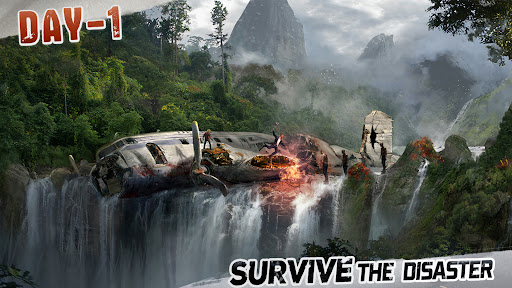
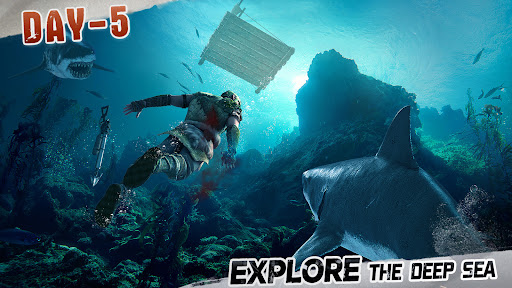
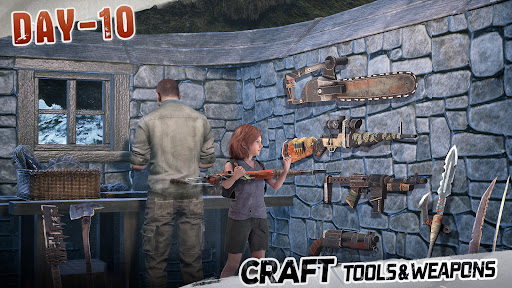
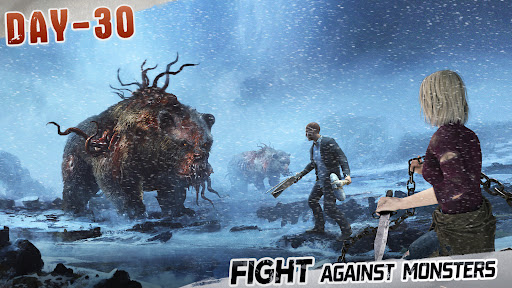
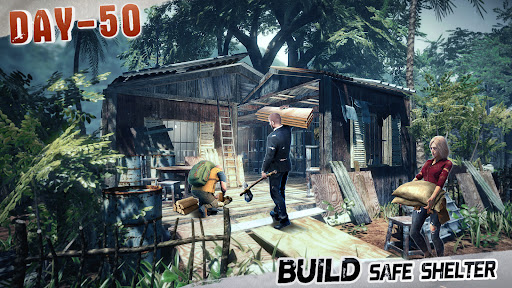
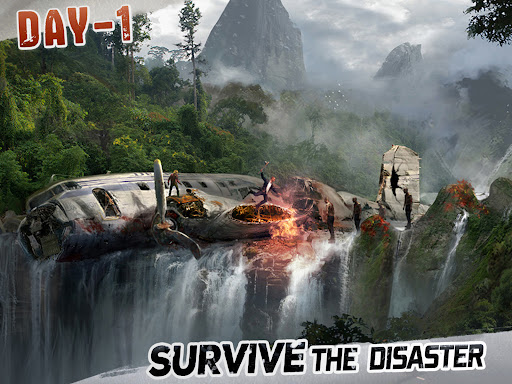
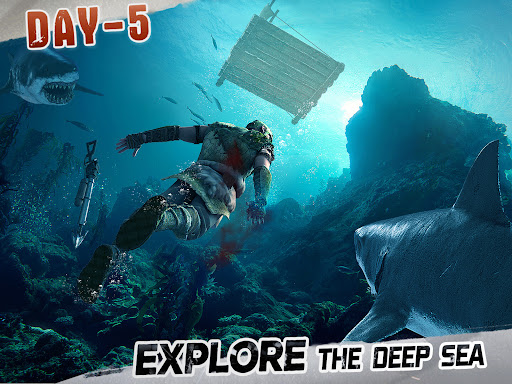
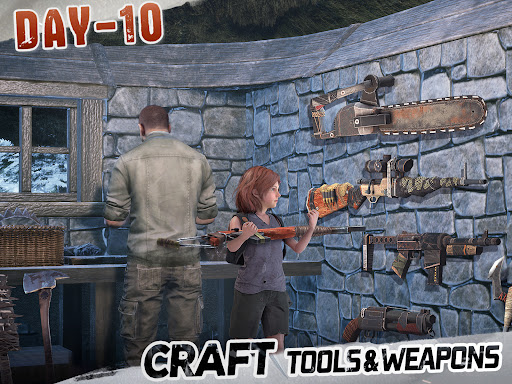
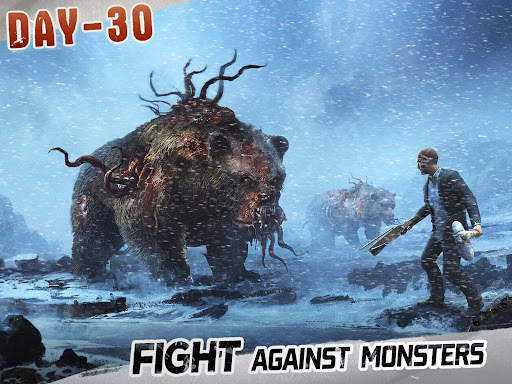
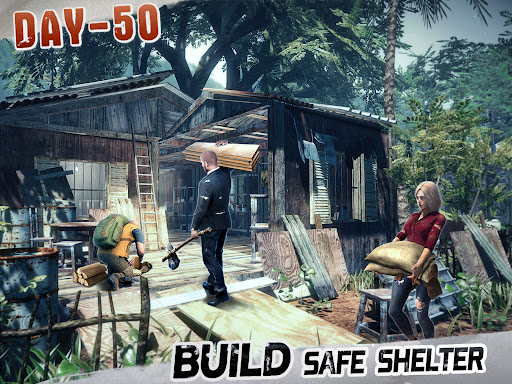
LOST in BLUE makes a stronger first impression than most mobile survival games. Within the opening stretch, it does a good job of selling the fantasy of being stranded, under-equipped, and forced to improvise. You are quickly pushed into the familiar rhythm of gathering materials, crafting essentials, and trying to stay one step ahead of hunger, thirst, hostile wildlife, and whatever else the island throws at you. What surprised me is how often that loop stayed interesting even after the novelty wore off. This is not just a tap-through survival sim with a fancy coat of paint; it has enough systems, locations, and progression hooks to feel like a proper game rather than a disposable time-killer. The biggest strength here is the sense of momentum. In many mobile survival titles, the first hour is engaging and the next ten are little more than repetitive grinding. LOST in BLUE does a better job of mixing practical survival chores with exploration and story-driven objectives. I spent a lot of time bouncing between scavenging runs, camp upgrades, weapon maintenance, side tasks, and map progression without feeling like I was stuck doing only one thing. There is usually something tangible to work toward, whether that is a stronger tool, a better defensive setup, a repaired piece of gear, or access to a new area. That constant drip of progress makes the game easy to sink real time into. The second thing it gets right is scale. Even though the game is played from a mobile-friendly perspective, it often feels larger than the average phone survival game. The environments have variety, and the island does not come across as one flat, interchangeable wilderness. Moving through different biomes and man-made ruins adds texture to the journey and helps the world feel more adventurous than generic. I also liked that the game gives room for both directed play and self-directed play. You can push the main objectives when you want structure, or spend time improving your base and stocking resources when you are in the mood for a slower session. Its third major strength is that the crafting and equipment systems are satisfying in a practical, survival-game way. Weapons and gear feel useful, not disposable after a few swings, and the ability to repair equipment helps reduce the feeling that all your effort is being burned up instantly. Base building also has enough purpose to matter. You are not just placing decorations; you are building a camp that supports survival, defense, and long-term progression. That gives your home base a real sense of ownership, and I appreciated being able to shape it rather than just unlocking static upgrades from menus. That said, LOST in BLUE is not frictionless. The most obvious issue during regular play is performance and responsiveness. On a good run, the game feels smooth enough, but there are moments when combat inputs and action clicks feel a little delayed, and that matters in a survival game where timing, movement, and quick item use can be the difference between recovering and getting flattened. The visuals are generally attractive for the genre, but some lighting and effects can look slightly muddy, which occasionally hurts readability in hectic scenes. The interface is another weak point. There are a lot of systems packed into this game, and the UI sometimes feels like it is trying to fit a tablet game onto a smaller phone screen. Inventory elements, crafting panels, and resource displays can feel cramped, and in longer sessions I found myself squinting more than I wanted to. The game asks you to manage many moving parts at once, but it does not always present them with enough breathing room. Worse, because survival pressure continues while you are fiddling with menus, there are times when handling crafting or management tasks feels more stressful than it should. The third frustration is monetization pressure, even though the game avoids the most obnoxious mobile habits. The good news is that it does not lean on ads, and you can absolutely play a lot without paying. The less good news is that inventory convenience, durable gear, and certain progression comforts are positioned in ways that can make spending money feel tempting. I never felt completely blocked from playing, but I did feel the game nudging me toward paid shortcuts and convenience upgrades more often than I would like. The late-early to midgame pace also slows down noticeably, which makes those nudges more visible. Combat lands somewhere in the middle. It is functional and often tense, especially when resources are low and gear matters, but it is not the game at its best. The stronger appeal is the full package: gathering, maintaining, planning, exploring, and surviving. PvP options add unpredictability, but they also make the experience harsher for players who mainly want a solitary survival sandbox. If you like player conflict, that may be a plus; if you do not, it can feel punishing when stronger opponents erase your momentum. So who is LOST in BLUE for? It is a very good fit for players who enjoy survival loops, crafting, base building, and long-form progression on mobile. If you like the idea of a game you can dip into for a quick resource run or lose hours in while reorganizing your camp and chasing upgrades, this one delivers. It is especially appealing if you are tired of mobile survival games that feel shallow or overly restrictive. Who is it not for? If you dislike resource maintenance, menu-heavy systems, gear upkeep, or the possibility of PvP headaches, this is probably not your game. It is also not ideal for players who want ultra-clean controls and a perfectly optimized phone interface. Even with those caveats, LOST in BLUE stands out. It feels substantial, surprisingly immersive, and more thoughtful than many of its peers. It can be clunky, and it occasionally asks too much patience from the player, but when the systems click, it captures that addictive survival-game tension better than most mobile alternatives. I would recommend it, especially to anyone looking for a mobile survival adventure with real depth rather than just survival-themed window dressing.