
Apps Games Articles
HealtheLife
Cerner Corporation
Rating 3.1star icon
Editor's summary
Editor rating
star icon star icon star icon empty star icon empty star icon
3.0

One-line summary HealtheLife is useful when your hospital runs on Cerner and you just need quick access to appointments, messages, and test results, but it is hard to enthusiastically recommend because too much of the experience depends on your provider’s portal and the app itself feels more functional than refined.

  • Installs

    500K+

  • Developer

    Cerner Corporation

  • Category

    Medical

  • Content Rating

    Everyone

  • Latest version

    102.0.12

  • Package

    com.cerner.iris.play

In-depth review
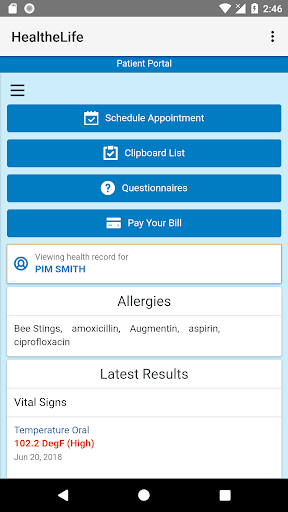
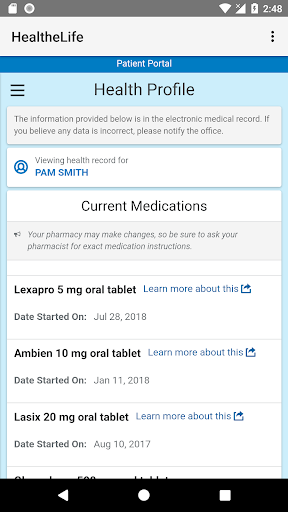
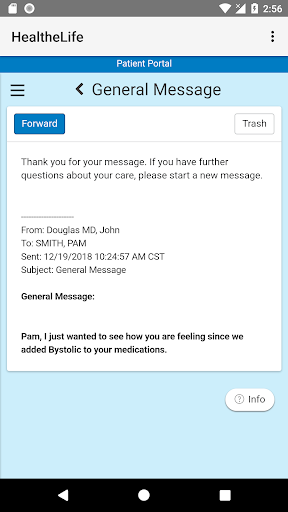
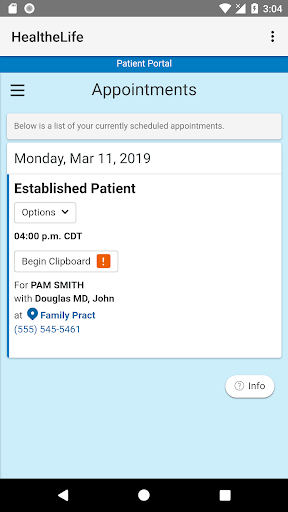
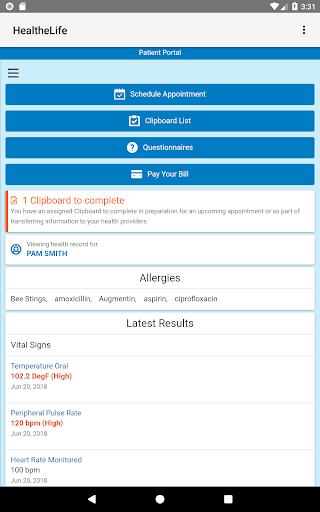
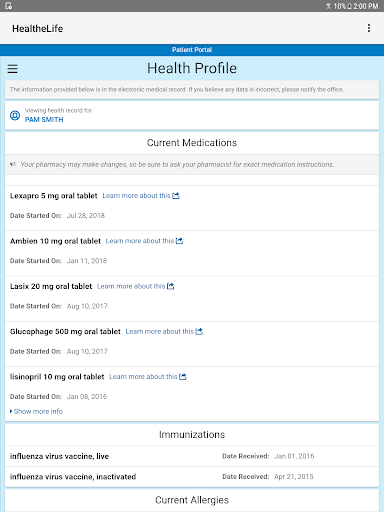
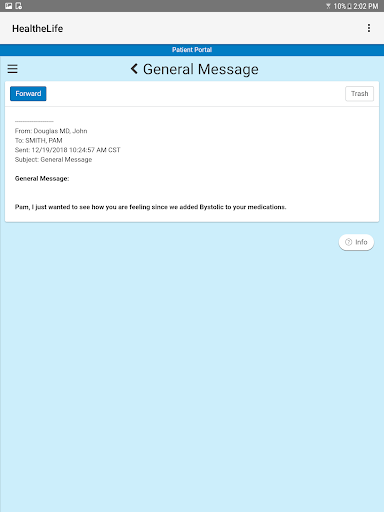
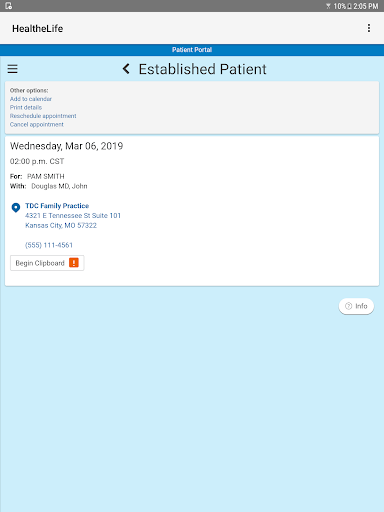
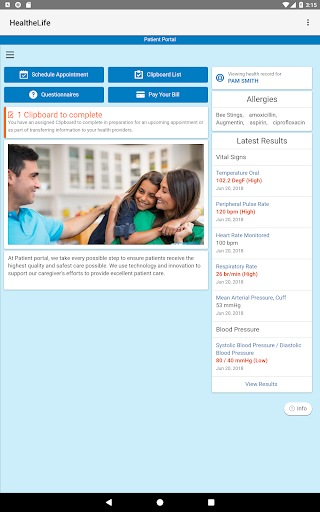
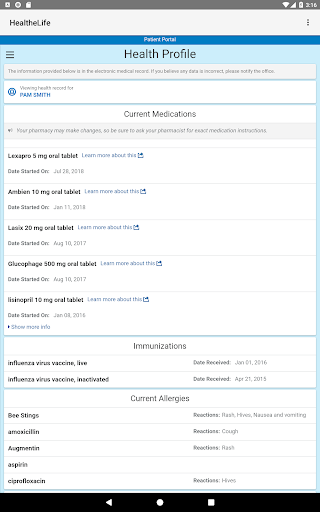
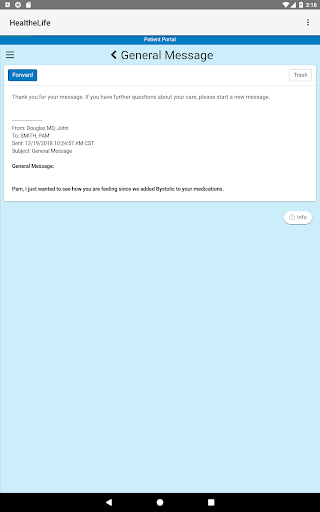
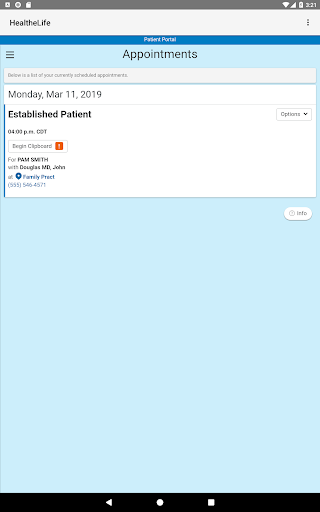
HealtheLife is the kind of medical app that lives or dies by one question: can it make routine health admin less irritating? After spending time with it as a patient-facing portal companion, my takeaway is that it mostly succeeds at the basics, but it rarely feels elegant. This is not a wellness app, a fitness tracker, or a flashy digital health hub. It is a practical utility for people whose health care organization uses Cerner, and when it works, it saves time in exactly the places that matter. The first thing to understand is that HealtheLife is only really useful if your provider has given you access to the associated online portal. That sounds obvious, but it shapes the entire experience. This is not an app you download and explore on its own terms. It is an extension of your hospital or clinic’s patient portal, and that means the quality of the experience is partly determined by how your specific organization has set things up. In day-to-day use, that dependency is both a strength and a weakness. Where HealtheLife immediately earns points is convenience. Being able to open one app and check upcoming appointments, message a care team, and look over medical information such as medications, allergies, immunizations, and lab results is genuinely helpful. For basic patient tasks, the app cuts down on the friction that usually comes with calling offices, digging through emails, or trying to remember where a test result was posted. We especially liked the simple peace of mind that comes from having health records available in your pocket instead of buried behind a desktop login. That practical usefulness is the app’s strongest feature. It does not try to reinvent health management. It gives you a direct route to the information most patients actually need. In our testing, the app felt most valuable in those small moments: checking an appointment time before leaving home, confirming a medication listed in your chart, or sending a non-urgent message without waiting on hold. For families or people managing ongoing care, that kind of convenience adds up quickly. Another plus is the multi-portal idea. If you have access to more than one participating health care organization, HealtheLife can bring those portals together in a single app. That is a meaningful advantage for anyone who sees multiple providers within systems that participate. Instead of juggling separate web logins in a browser, there is at least an attempt to centralize things. In a health care landscape that is usually fragmented, even partial consolidation feels like progress. The app also benefits from being focused. There are no ads, no obvious upsell clutter, and no feature bloat aimed at turning medical record access into a lifestyle product. That matters. HealtheLife keeps the emphasis on core patient tasks, and for many users that restraint will be welcome. In a category where trust and clarity matter, a straightforward approach is preferable to something overloaded with unnecessary extras. That said, HealtheLife is not a particularly polished app. The biggest issue is that it often feels like a mobile doorway into a provider-managed system rather than a thoughtfully designed mobile-first product. The flow gets the job done, but not always gracefully. Navigation can feel more functional than intuitive, and there is a general sense that usability comes second to simply exposing portal features on a phone screen. Nothing about it is wildly confusing, but neither does it feel especially modern or smooth. This leads to the second major drawback: inconsistency. Because each participating organization’s portal can differ, the app experience is not uniformly predictable. One section may be useful and complete, while another feels sparse or limited depending on what your provider enables. As a patient, that can be frustrating because the app sets an expectation of control and visibility, but what you actually get may vary. HealtheLife works best when your organization has a strong portal setup; it feels thinner when that backend support is weaker. The third complaint is more about overall satisfaction than any one broken feature: HealtheLife is competent, but not especially pleasant. It handles essential tasks, yet it rarely feels fast, fluid, or reassuring in the way a great health app should. With personal medical information, people want an experience that feels stable and well cared for. Here, the app lands closer to acceptable utility than standout product design. That helps explain its middling reputation. You can use it, rely on it for basics, and appreciate the convenience, while still wishing it were smoother and more polished. So who is HealtheLife for? It is for patients whose doctors, hospitals, or health systems already use Cerner and who want mobile access to practical account features such as scheduling, records, and secure messaging. It is especially helpful for people managing recurring appointments, ongoing treatment, or family care where quick record access matters. It is not for someone looking for a broad consumer health app, an all-purpose symptom tracker, or a beautifully designed digital companion that actively guides wellness. In the end, HealtheLife is a solid but unspectacular medical utility. We would use it because it puts genuinely useful health information and communication tools within reach, and that convenience is hard to dismiss. At the same time, we would not call it a great app in the broader sense. It feels tied to the limits of the provider portal behind it, and that keeps it from becoming more than a serviceable extension of your health system. If your care team supports it, it is worth having. Just go in expecting function first, polish second.
Alternative apps