
Apps Games Articles
Solv: Find Quality Doctor Care
Solv Health
Rating 4.7star icon
Editor's summary
Editor rating
star icon star icon star icon star icon
half star icon
4.5

One-line summary Solv is one of the easiest ways to book same-day urgent care or telehealth without phone-tag, though its usefulness still depends heavily on whether strong providers are available in your area.

  • Installs

    500K+

  • Developer

    Solv Health

  • Category

    Medical

  • Content Rating

    Everyone

  • Latest version

    1.6.1

  • Package

    com.solv

In-depth review
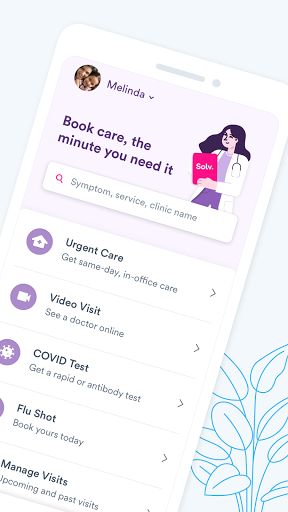
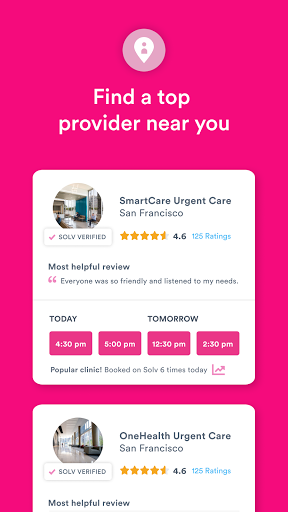
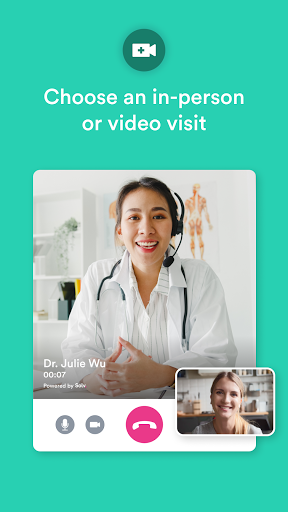
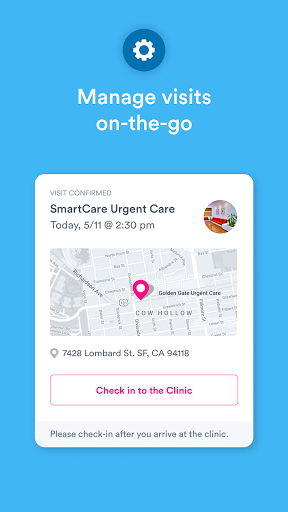
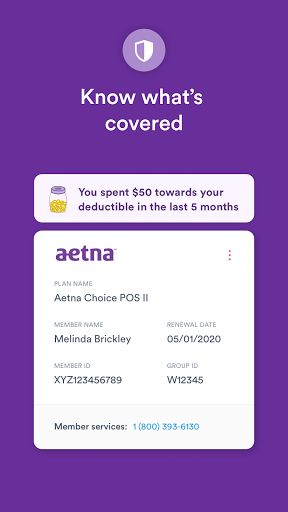
Solv: Find Quality Doctor Care gets something very important right from the moment you open it: it treats healthcare booking like a real-world problem that should be solved quickly, not like a maze of forms, phone calls, and hold music. After spending time with the app, that core idea is what stood out most. This is not a general wellness app, a symptom checker dressed up as healthcare, or a bloated patient portal trying to do ten things at once. It is fundamentally about helping you find care fast, compare appointment options, and get booked with as little friction as possible. That focus makes a huge difference in everyday use. The experience feels built for the moment when you are sick, tired, busy, or trying to help a family member and do not have the patience to wrestle with a complicated interface. Searching for care is straightforward, and the most useful choices are surfaced early: in-person urgent care or telehealth, available times, and nearby providers. Instead of pushing you into a long account setup before you can see anything useful, Solv gives the impression that it wants to get you to an appointment first and sort out the paperwork in a sensible order afterward. That is exactly the right priority for this kind of app. The biggest strength here is convenience. Solv makes browsing time slots feel more like booking a haircut or reserving a table than entering the healthcare system, and that is meant as praise. You can quickly scan what is available, choose a time that works, and move on. If you have ever had the experience of calling a clinic, waiting on hold, then being offered an appointment time that is nowhere close to what you asked for, Solv feels refreshingly modern by comparison. In testing, the app’s flow around appointment selection and booking was its most polished area, and it is easy to see why that is the feature people latch onto. A second strength is that Solv keeps several practical tasks in one place. Managing appointments, checking in, and handling paperwork through the app reduces the usual pre-visit chaos. The insurance card photo feature is especially useful in concept because it aims to give you a better sense of coverage before you show up. In healthcare apps, “simple” is often promised and rarely delivered, but Solv comes closer than most. It lowers the number of separate steps and channels you need to deal with. The third strength is flexibility. The app supports both in-person urgent care and telehealth visits, which matters more than it sounds. Sometimes you need someone to physically examine an issue; other times you just need a quick virtual consultation from your couch. Solv is at its best when it lets you make that call based on your situation instead of forcing a single model. For minor illnesses and common urgent issues, the app feels well aligned with how people actually seek care today. That said, Solv is not flawless, and its weak spots are important. The first limitation is geographic and provider dependence. The app can only be as good as the network available where you live. In well-covered metro areas, it feels useful and efficient. Outside those stronger zones, the experience can become less impressive simply because your choices may narrow. That does not make the app badly designed, but it does mean the promise of convenience is tied to local availability. The second weakness is that healthcare remains healthcare, even when the app is good. Solv does a nice job streamlining the front end, but it cannot fully eliminate the underlying complexity of insurance, state-by-state telehealth rules, and provider-specific processes. You may still find that what looks simple at the browsing stage becomes more conditional once coverage, visit type, or eligibility enters the picture. The app tries to soften that complexity, not erase it, and sometimes that distinction becomes obvious. The third complaint is that Solv is purpose-built rather than broad. That is mostly a strength, but it also means this is not the app for every health need. If you want deep long-term care management, a full medical history hub, or something designed around specialist relationships and ongoing treatment journeys, Solv can feel narrow. It is best understood as an access tool for everyday care, not a universal healthcare command center. In daily use, the app feels clean, task-oriented, and respectful of your time. That may sound like faint praise, but in the medical category it is a major compliment. Too many healthcare apps feel like they were designed around institutional workflow rather than patient stress. Solv does a better job of meeting people where they are: sick, rushed, and trying to solve a problem now. I particularly liked that it never seemed eager to bury the most important information. Appointment availability is the star, as it should be. Who is it for? Solv is best for people who need urgent care access without the usual phone hassle, families trying to book straightforward visits, and anyone who values seeing options laid out clearly before committing. It also makes sense for users who want the flexibility of choosing between telehealth and in-person care depending on the issue. Who is it not for? Anyone expecting a full-spectrum medical ecosystem, or those in areas with limited provider coverage, may find it less compelling. Overall, Solv is a smart, practical healthcare app that succeeds because it knows its job and mostly sticks to it. It does not magically fix every pain point in modern care, but it does remove a lot of unnecessary friction from one of the most annoying parts: actually getting an appointment. For many people, that alone will make it worth keeping installed.
Alternative apps