
Apps Games Articles
SuperQi
THE INTERNATIONAL SMART CARD CO.LLC
Rating 1.1star icon
Editor's summary
Editor rating
star icon star icon empty star icon empty star icon empty star icon
2.2

One-line summary SuperQi is appealing as a genuine all-in-one wallet for everyday payments and account access in Iraq, but I’d hesitate to recommend it because reliability problems quickly overshadow the convenience.

  • Installs

    10M+

  • Developer

    THE INTERNATIONAL SMART CARD CO.LLC

  • Category

    Finance

  • Content Rating

    Everyone

  • Latest version

    1.0.44

  • Package

    iq.qicard.qipay.prod

In-depth review
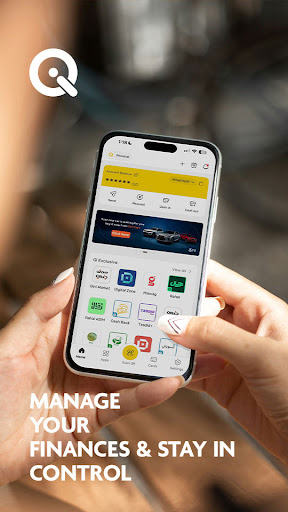
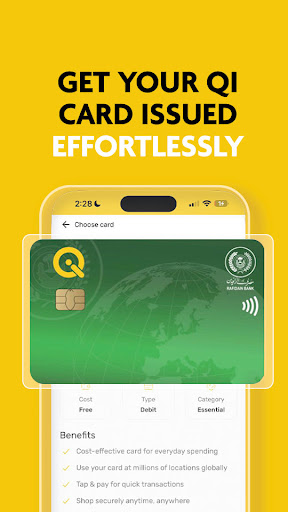
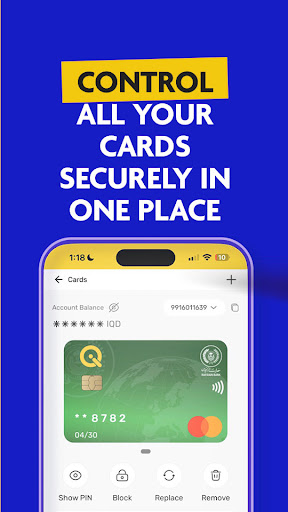
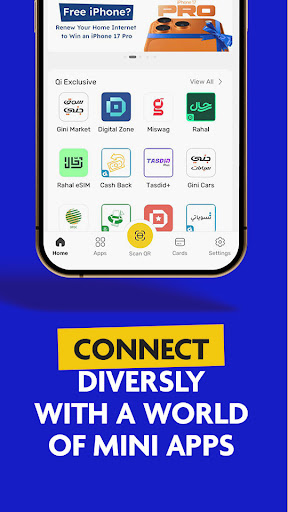
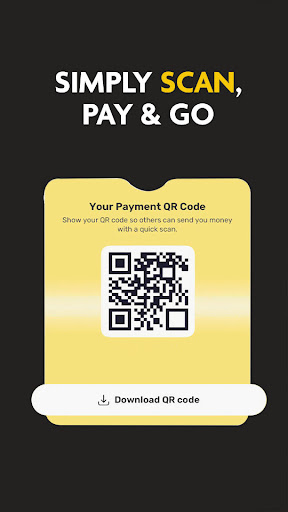
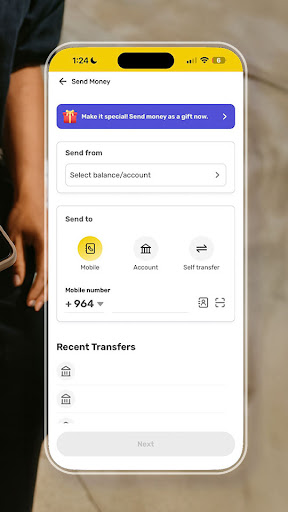
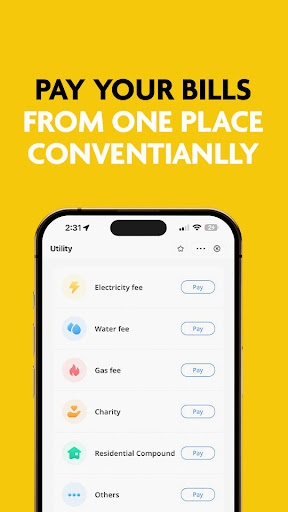
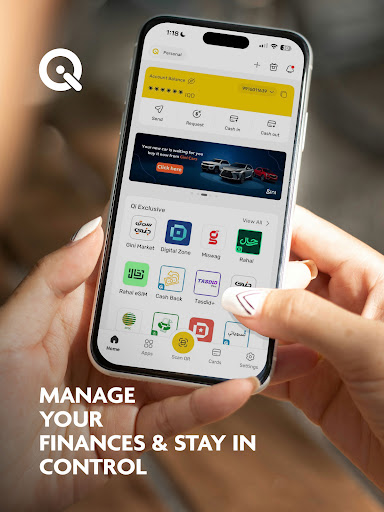
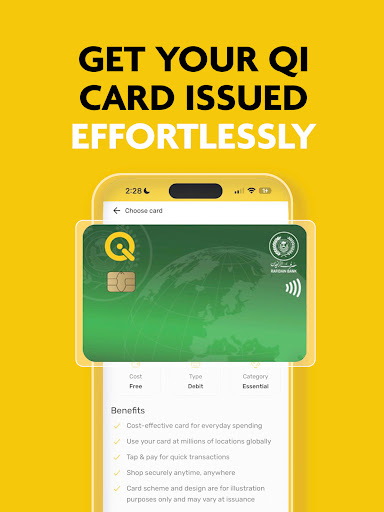
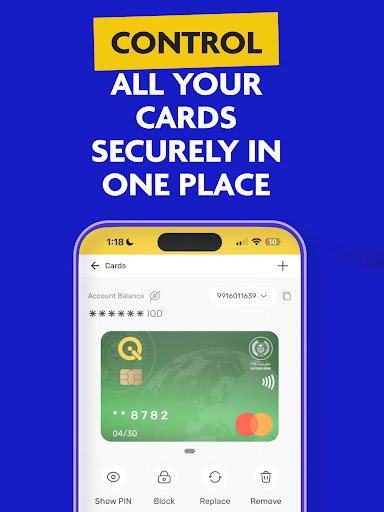
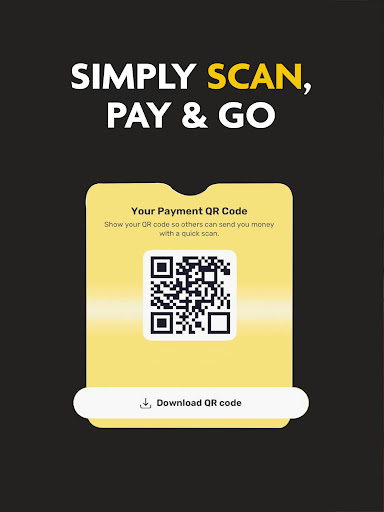
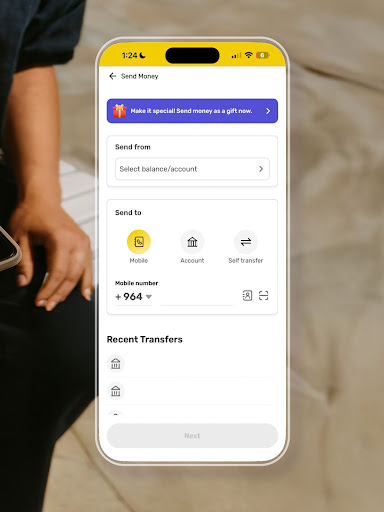
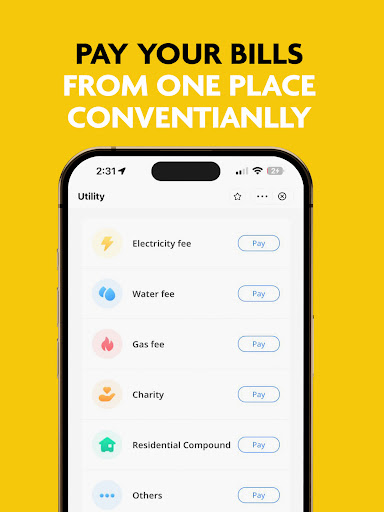
SuperQi aims to be the kind of app you open for everything: checking your finances, moving money, paying bills, scanning QR codes, and generally replacing the messy mix of cash, cards, and separate services with one digital hub. After spending time with it as a day-to-day finance app, my takeaway is that the idea is much stronger than the execution. There is a real sense of ambition here, and in its better moments SuperQi feels like a practical utility for modern daily life. But when an app positions itself as a financial control center, stability and trust matter more than feature count, and that is where the experience starts to wobble. The first thing SuperQi gets right is scope. It is clearly designed to bring several common financial tasks into one place, and that makes immediate sense. Instead of thinking in terms of separate tools for transfers, bill handling, account access, and merchant payments, SuperQi tries to reduce friction by centralizing them. In use, that broad reach is the app’s biggest strength. If you are already within the Qi ecosystem, or you want one app to serve as your main digital wallet and payment companion, the promise is easy to understand. The app feels built around real routines rather than one-off financial tasks, and that gives it practical value. There is also a certain convenience to how the app presents everyday transactions. The core actions are the kinds of things most people actually need: transfer money, pay bills, scan to pay, recharge, and manage accounts. That matters because a lot of finance apps overload you with menus that sound impressive but do not help in a hurry. SuperQi, at its best, feels aligned with quick, repeatable actions. You can see what it wants to be: something you reach for in the middle of normal life, not a banking app you dread opening. Another strength is that the app’s cashless focus feels relevant rather than trendy. For users who want to reduce dependence on physical cash and handle more from a phone, SuperQi offers a practical pathway. The inclusion of merchant payments and bill services gives it more day-to-day usefulness than a basic account viewer. This is not just an app for staring at balances; it is trying to be an active financial tool. That broader utility helps it stand out. Unfortunately, the actual hands-on experience is less reassuring than the concept. The biggest problem is reliability. During use, SuperQi does not consistently project the steadiness you want from a finance app. There is a stop-start quality to the experience that undercuts confidence. Some sessions feel normal, while others give the impression that the app is fragile or prone to interruptions. In a social app, occasional instability is annoying. In a money app, it immediately raises the stakes. When you are trying to transfer funds or complete a payment, even minor glitches feel larger than they would elsewhere. That leads to the second weakness: trust erosion through friction. SuperQi talks the language of security and convenience, but in practice, convenience only counts when it works smoothly. If an app hesitates, stalls, or behaves inconsistently during important actions, users become cautious. I found myself double-checking simple steps more than I should have needed to, not because the functions are inherently confusing, but because the app does not always inspire confidence that every step will complete cleanly. That uncertainty creates mental overhead, which is exactly what a super app is supposed to eliminate. The third weakness is that the experience can feel more exhausting than streamlined. A super app should simplify life, but SuperQi sometimes lands in the opposite direction: lots of promise, but with enough operational roughness that using it can feel like work. The broader the app’s ambition, the more polish it needs. Here, the gap between what the app says it can do and how stress-free it feels in regular use is noticeable. When things go right, the app is useful. When they do not, the frustration arrives quickly because the app is handling essential tasks. Who is SuperQi for? It is best suited to users in Iraq who specifically want a single mobile finance app tied to everyday digital transactions, especially those who already interact with Qi-related services and want banking access, transfers, and payments under one roof. If your priority is convenience through consolidation, there is enough here to make SuperQi worth trying. Who is it not for? It is not ideal for anyone who has very low tolerance for technical hiccups, or who needs a finance app that feels rock-solid every single time. If your main requirement is absolute consistency and peace of mind during payment and transfer flows, SuperQi may test your patience. In the end, SuperQi is a classic case of a strong local-use idea held back by uneven execution. I can see why an all-in-one app like this would be attractive: the feature set is relevant, the cashless toolkit is useful, and the integrated approach makes sense. Those are meaningful strengths. But the app’s reliability issues, its tendency to make important tasks feel less certain than they should, and the resulting friction keep me from recommending it wholeheartedly. SuperQi is promising, sometimes genuinely handy, but not dependable enough yet to earn full trust as a primary financial app.
Alternative apps
  • Zain Cash
  • AsiaHawala
  • urpay