
Apps Games Articles
Prison Life: Idle Game
Supercent, Inc.
Rating 4.5star icon
Editor's summary
Editor rating
star icon star icon star icon star icon empty star icon
4.2

One-line summary Prison Life: Idle Game is easy to recommend if you want a low-effort management game with satisfying progression, but it’s harder to love if repetitive tapping loops and the usual idle-game friction wear thin on you fast.

  • Installs

    10M+

  • Developer

    Supercent, Inc.

  • Category

    Role Playing

  • Content Rating

    Everyone

  • Latest version

    42.0.0

  • Package

    io.supercent.prison

In-depth review
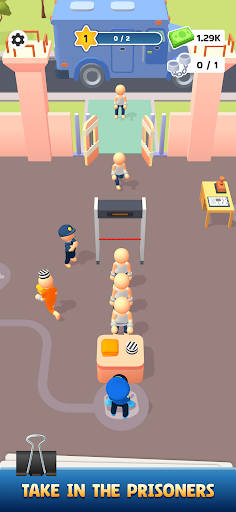
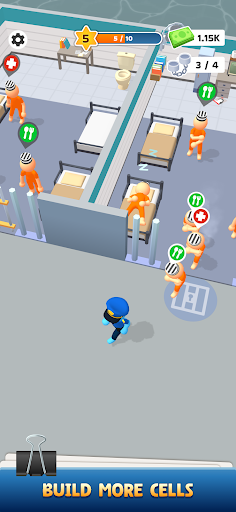
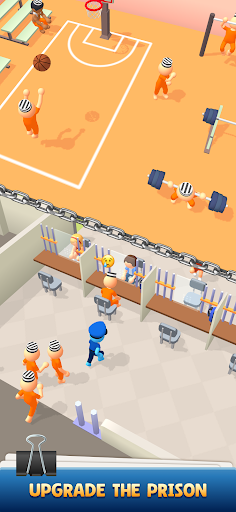
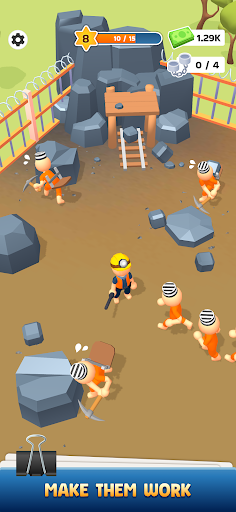
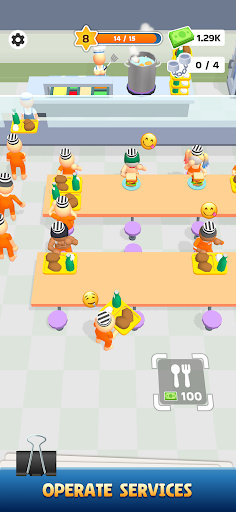
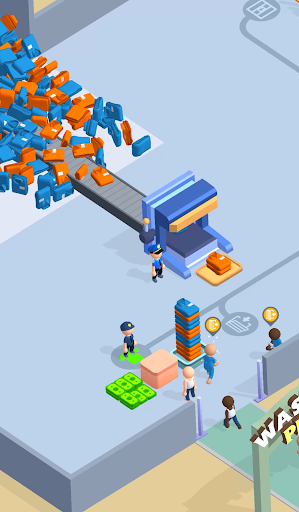
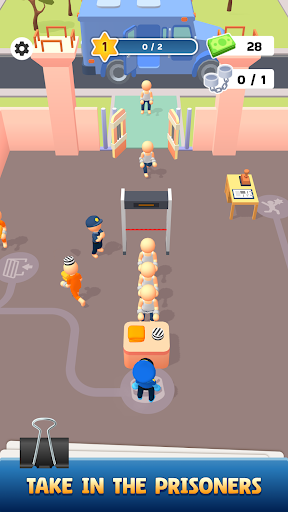
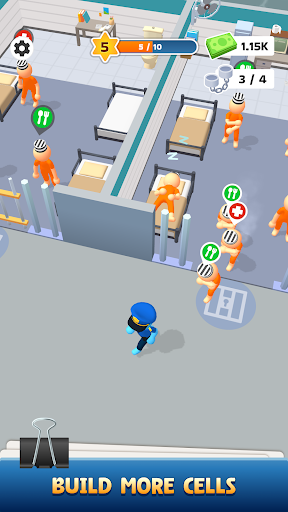
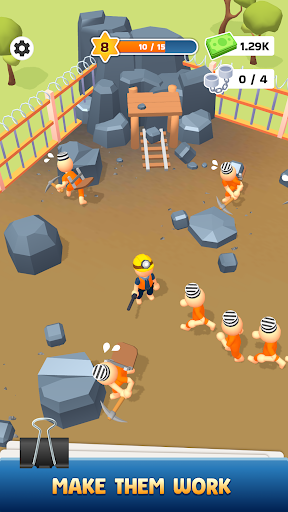
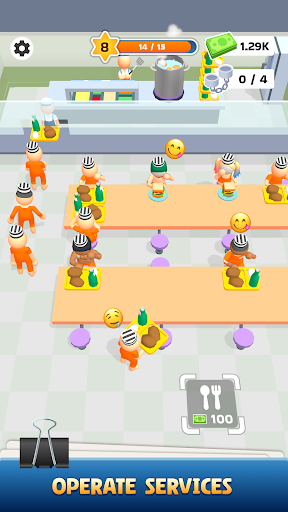
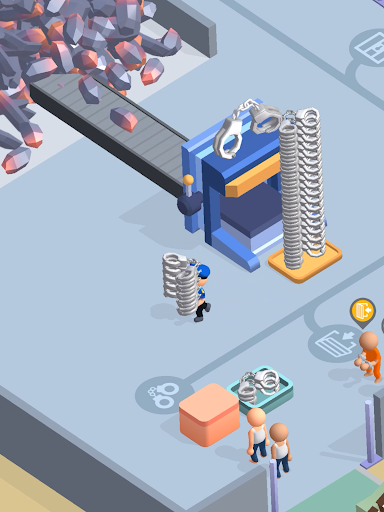
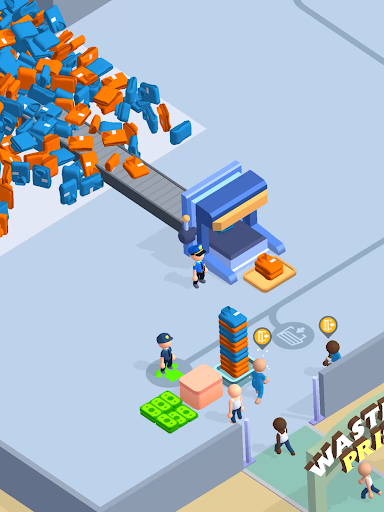
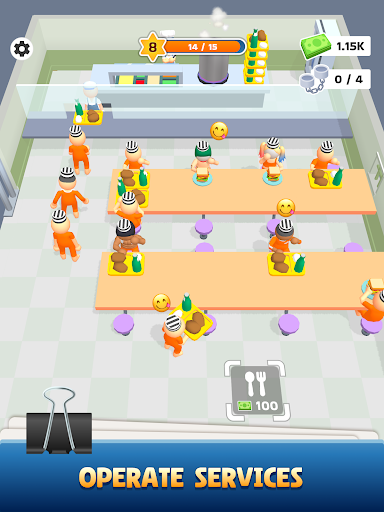
Prison Life: Idle Game knows exactly what kind of mobile game it wants to be: a light management sim built around quick upgrades, constant little rewards, and the steady satisfaction of watching a cramped operation grow into something much larger. After spending time with it as a casual pick-up-and-play game, my biggest takeaway is that it succeeds at being immediately understandable and consistently engaging in short bursts. It is not trying to be a deep prison simulator, and anyone expecting a detailed strategy game with complex systems will likely bounce off it. But if your ideal mobile session is a few minutes of upgrading, collecting, and nudging a system forward, this one gets a lot right. The strongest thing about Prison Life: Idle Game is how approachable it feels from the first minute. The core loop is clear almost instantly. You move through a series of small management tasks, earn money, reinvest it, and gradually unlock a faster, smoother operation. There is very little friction in learning the game. I never felt like I needed a long tutorial or that I was digging through menus trying to understand what mattered. The app does a good job of funneling your attention toward the next useful upgrade, and that keeps the early game brisk. For a genre that can sometimes feel opaque or overloaded with systems, this simplicity is a real strength. That simplicity also feeds into the game’s second big advantage: it is genuinely satisfying in a very mobile-friendly way. There is almost always something to improve, collect, or accelerate, and the feedback loop is snappy enough to keep you engaged. A lot of idle games either move too slowly at the start or become visually noisy as they try to manufacture excitement. Prison Life mostly avoids both problems. It keeps the action readable, and even when you are repeating familiar tasks, there is enough visible progress to make those small sessions feel worthwhile. I found myself checking back in not because the game demanded it, but because it usually had one or two new upgrades within reach. The third thing it does well is pacing. Progression feels generous enough early on to create momentum, and that momentum is important in a game like this. The sense of expansion is tangible. You can feel the operation becoming more efficient, and the app leans into that well. It captures that classic idle-game pleasure of turning something clunky into something optimized. For players who enjoy that style of progression, this is where the game is at its best. That said, the experience also runs into familiar genre limits. The biggest weakness is repetition. Even by idle-game standards, the loop can start feeling mechanical once the novelty wears off. The upgrades and progression systems are satisfying, but they do not always add up to meaningful variety. After a while, the game can feel less like you are making interesting decisions and more like you are following an efficient routine. That is not fatal for an idle game, but it does put a cap on how compelling longer sessions are. A second issue is that the app occasionally feels designed to interrupt your flow rather than support it. In a game built around steady momentum, anything that slows that momentum stands out. The genre often relies on nudges, timers, and optional accelerations, and Prison Life doesn’t completely escape that pattern. Even when those systems are common and expected, they can make the experience feel a bit more transactional than immersive. The best moments in the game come when you are simply building and upgrading without interruption; the weaker moments are when the app reminds you a little too often that it is still a free-to-play idle game. The third weakness is thematic and mechanical shallowness. The prison setting gives the app a recognizable hook, but in practice it feels more like a skin for an idle management structure than the basis for a deep simulation. That is not necessarily a flaw if you come in with the right expectations, but it does mean the game can feel interchangeable with other idle titles after enough time. The setting adds flavor, not much strategic depth. I never got the sense that the prison theme was being explored in a particularly nuanced or inventive way; it mostly frames the upgrade loop rather than transforms it. Visually, the game is clean and readable, which matters more than flashy presentation in a title like this. I had no trouble understanding what was happening on screen, where my attention should go, or what would most efficiently move me forward. The controls are straightforward, and the whole app feels built for quick sessions on a phone. That usability goes a long way. A lot of mobile management games lose points simply by feeling cluttered. Prison Life generally avoids that. Who is this for? It is for players who like idle progression, bite-sized management loops, and games that can be enjoyed in a few minutes at a time without much commitment. It is especially good for people who enjoy the simple pleasure of turning earned currency into visible growth. Who is it not for? Anyone looking for rich strategy, meaningful variety over long sessions, or a more thoughtful prison simulation should look elsewhere. If you are already tired of free-to-play idle design habits, this game is unlikely to convert you. Overall, I came away liking Prison Life: Idle Game more than I expected. It does not reinvent the genre, but it is polished where it counts, easy to slip into, and consistently satisfying in short bursts. Its repetitive nature and occasional friction keep it from being a must-play, yet as a lightweight idle management game, it is competent and often enjoyable. For the right audience, that is more than enough.