
Apps Games Articles
Dancing Sky 3
AMANOTES PTE. LTD.
Rating 4.4star icon
Editor's summary
Editor rating
star icon star icon star icon star icon empty star icon
4.2

One-line summary Dancing Sky 3 is easy to recommend for its satisfying beat-synced ball-running and bright 3D presentation, but its heavy ad gating and limited song access can wear down anyone hoping for a smoother pick-up-and-play rhythm game.

  • Installs

    10M+

  • Developer

    AMANOTES PTE. LTD.

  • Category

    Music

  • Content Rating

    Everyone

  • Latest version

    2.0.4

  • Package

    com.ihd.waterrace

In-depth review
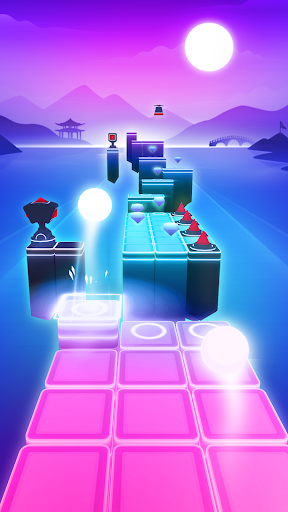
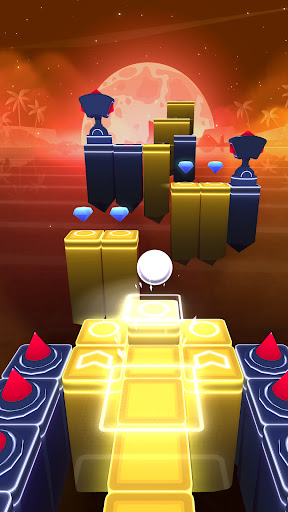
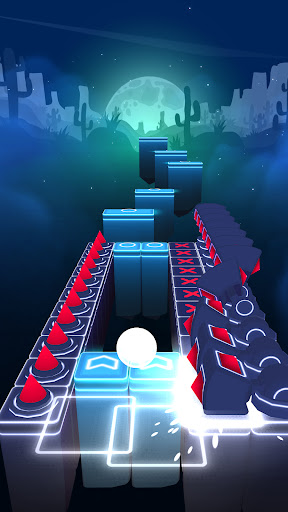
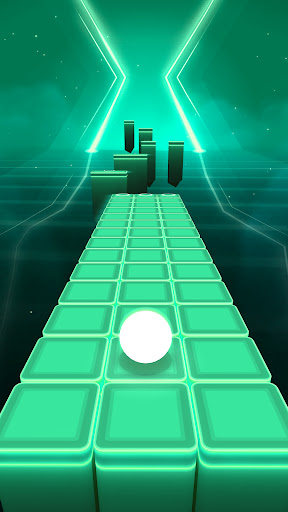
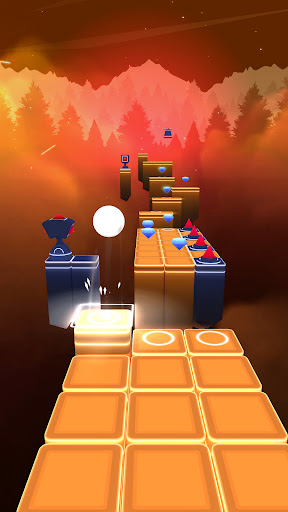
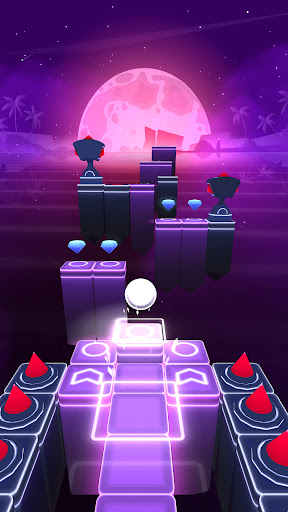
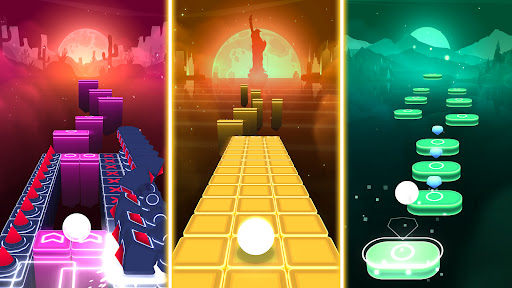
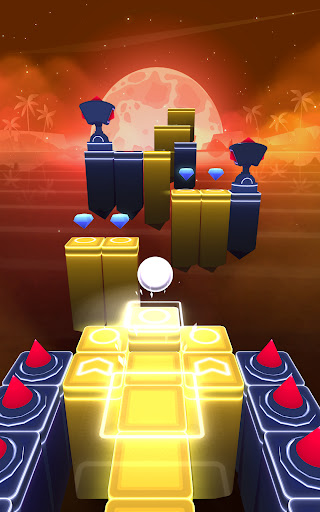
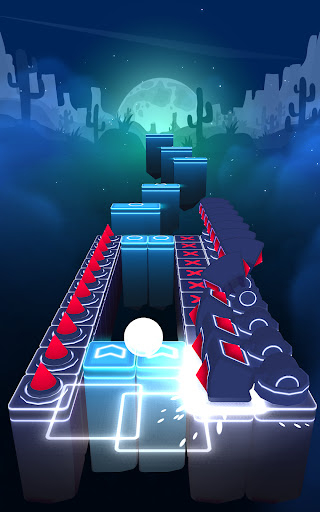
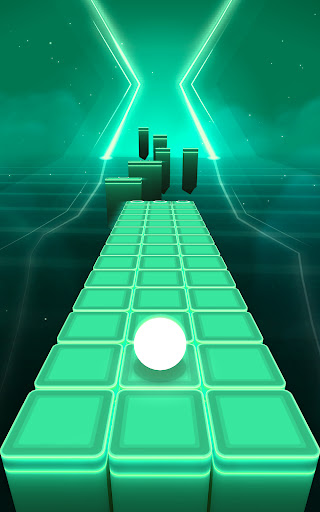
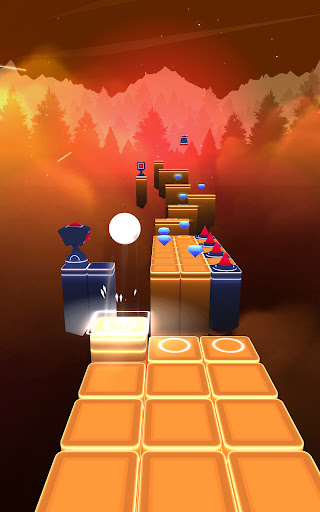
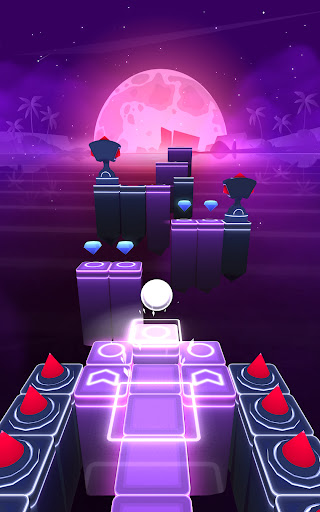
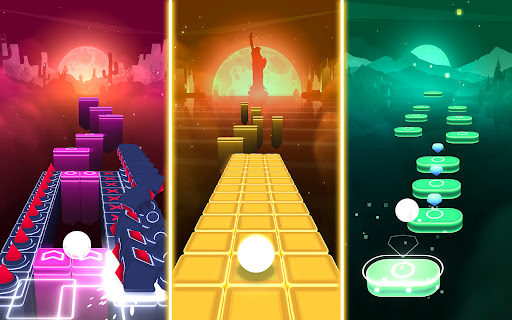
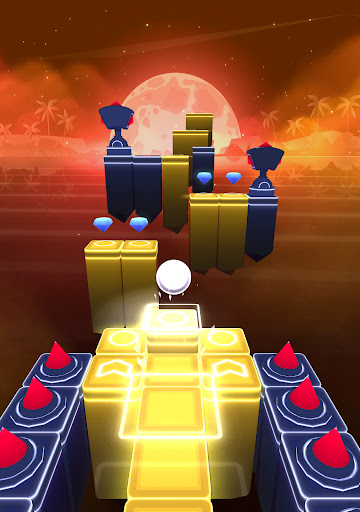
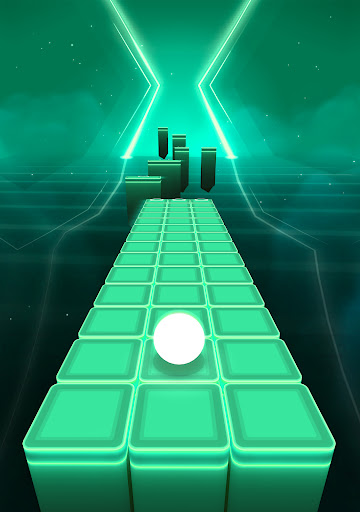
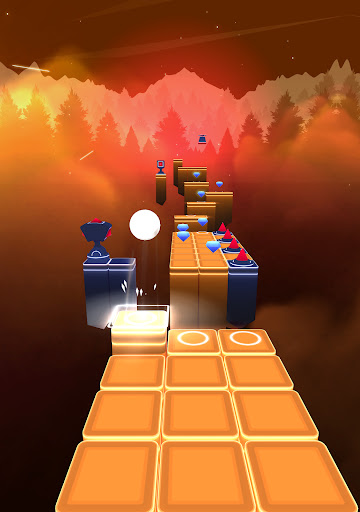
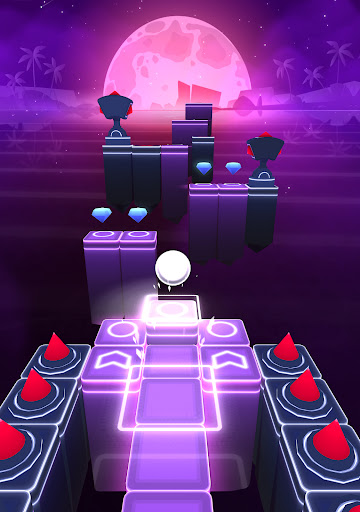
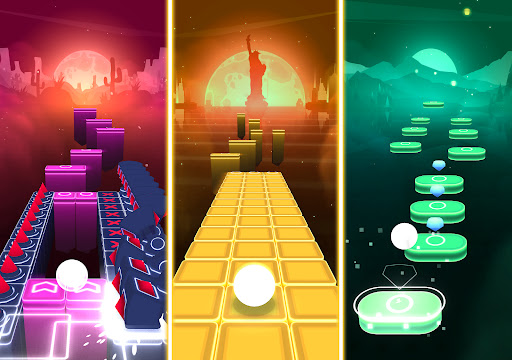
Dancing Sky 3 is one of those mobile rhythm games that understands the immediate appeal of simplicity. You press play, hold and drag to guide a ball along a floating track, and the whole experience is built around staying in sync with the music as the path shifts, narrows, and throws obstacles in your way. After spending time with it, what stood out most is that the game gets the basic feel right. It is responsive, visually lively, and often genuinely satisfying when the movement, camera flow, and soundtrack click together. The best thing about Dancing Sky 3 is how readable and approachable it is. The controls are about as straightforward as they come, which makes the game easy to understand within seconds. You are not fighting with complicated gestures or cluttered menus; you are reacting to the course and trying to stay alive. That simplicity gives the game a quick-start quality that works well on mobile. It is the kind of title you can open for a few minutes and instantly know what to do, but there is still enough challenge in later stages to keep your attention once the speed and obstacle density increase. Its presentation also does a lot of heavy lifting. The game leans hard into bright 3D environments, colorful effects, and a sense of motion that gives each run some energy even when the mechanics are familiar. There are moments when the stage transitions and visual flourishes make the run feel more dynamic than a simple lane-dodging game has any right to. The ball movement itself helps here too. Instead of feeling like a flat swipe game pasted over a soundtrack, it has some bounce and flow to it. When a level is working, you get that small but important rhythm-game pleasure of feeling like your movements are part of the song rather than just happening on top of it. That rhythm connection is the app’s second major strength. Plenty of mobile music games claim beat accuracy and then feel a little off in practice. Dancing Sky 3 is not perfect, but it usually feels close enough to the beat to be satisfying. Long runs can develop a nice groove, and the better stages create a mild trance effect where you are focused on timing, color, and movement all at once. It helps that the game does not overcomplicate things. It knows that the core thrill is surviving the track while the music pushes you forward. A third strength is that the challenge curve is friendly at first without becoming completely mindless. New players can get into it without much friction, and then the game slowly asks for more precise movement and better concentration. That makes it suitable for a fairly wide audience: casual players who want a visually flashy music game, younger players who prefer easy controls, and rhythm-game fans who do not mind something lighter and more arcade-like than a pure timing simulator. Where Dancing Sky 3 starts to stumble is in everything surrounding the actual run. The most obvious frustration is advertising and progression friction. In regular use, it can feel as if the game is always one step away from another ad prompt, another unlock gate, or another reminder that not all of the music is freely available on demand. That breaks the flow more than it should. Rhythm games work best when they create momentum: fail, retry, improve, move on. Here, that loop is often interrupted. If you only want a short burst of gameplay, the stop-start structure can become more memorable than the level itself. The song access issue is closely related and is probably the biggest reason I would hesitate to recommend the game without qualification. Dancing Sky 3 clearly wants to tease a broader music library, but in practice it can feel narrower than the presentation suggests. Some tracks appear to require repeated ad viewing or limited access, which makes the game feel less generous than its polished front end implies. If you are the kind of player who downloads a music game expecting a robust setlist that you can browse freely, this may disappoint you. The third weakness is that while the visuals are attractive, the overall design can feel a little repetitive over longer sessions. The central mechanic is fun, but it does not evolve dramatically. After a while, the experience becomes more about cycling through the same pleasure loop of swipe, dodge, collect, and restart. That is fine for a casual game, but it limits the sense of discovery. I enjoyed the app most in shorter sessions; when played for longer stretches, its structure and content gating became more noticeable. Who is this for? Dancing Sky 3 is best suited to players who want an accessible, visually polished rhythm runner that is easy to learn and instantly engaging. If you enjoy mobile music games with simple controls, bright effects, and a casual arcade feel, there is a lot here to like. It is also a decent fit for players who do not mind watching ads in exchange for free content. Who is it not for? If you are ad-sensitive, if you want broad song freedom without repeated unlock friction, or if you prefer deeper rhythm mechanics and more varied gameplay systems, this one may test your patience. In the end, I came away liking Dancing Sky 3 more than I expected, but also wishing it trusted its own gameplay enough to get out of the way. The core experience is strong: smooth controls, appealing visuals, and a beat-driven flow that can be genuinely enjoyable. But the monetization friction and limited-feeling access keep it from being an easy slam-dunk. It is a good free rhythm game, sometimes even a very good one, but it is also a reminder that on mobile, polish and annoyance often arrive in the same package.