
Apps Games Articles
Tiles Hop: EDM Rush!
AMANOTES PTE. LTD.
Rating 4.2star icon
Editor's summary
Editor rating
star icon star icon star icon star icon empty star icon
4.2

One-line summary Tiles Hop: EDM Rush! is an easy-to-love rhythm runner with satisfying one-finger gameplay and a strong song-driven hook, but the constant ads and occasional technical hiccups keep it from feeling truly premium.

  • Installs

    500M+

  • Developer

    AMANOTES PTE. LTD.

  • Category

    Music

  • Content Rating

    Teen

  • Latest version

    4.3.0

  • Package

    com.amanotes.beathopper

In-depth review
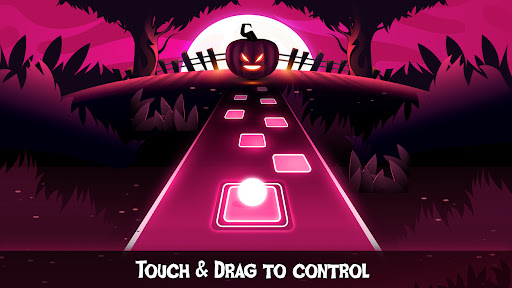
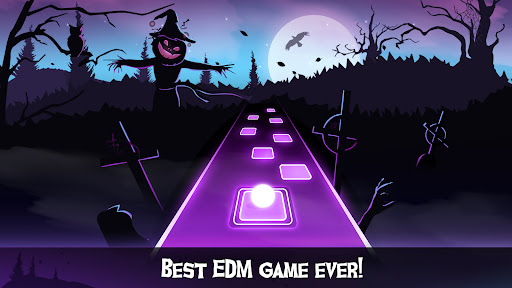
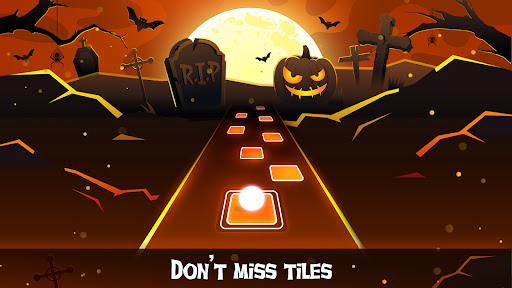
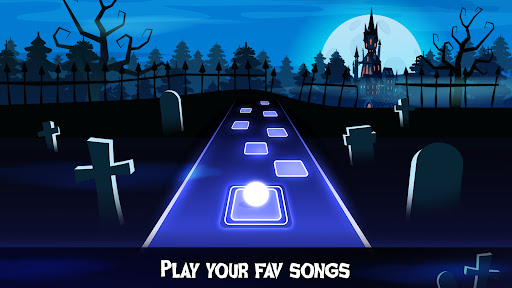
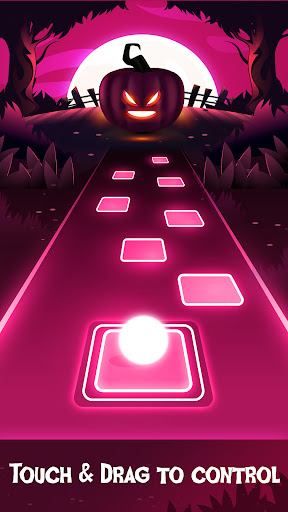
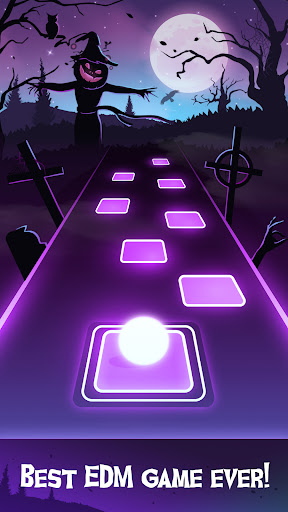
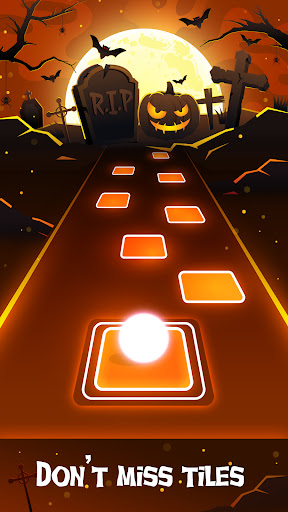
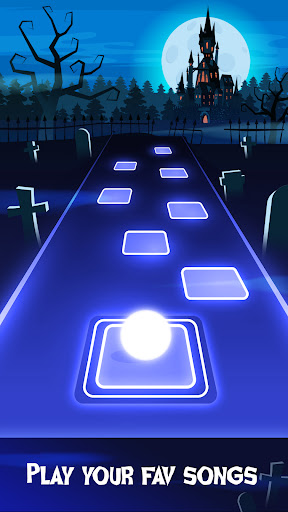
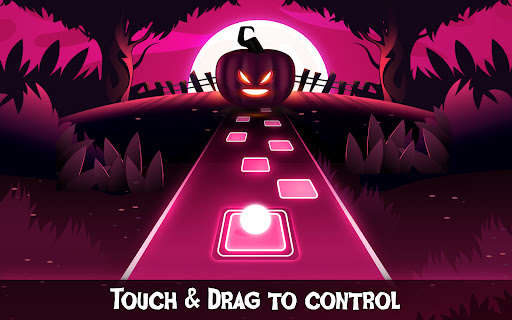
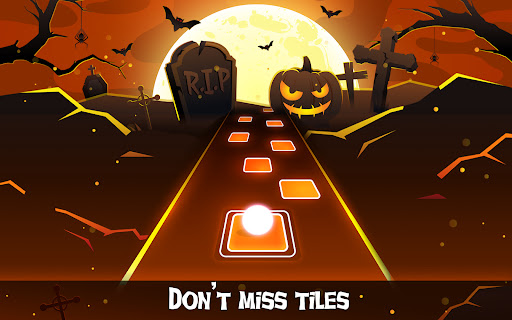
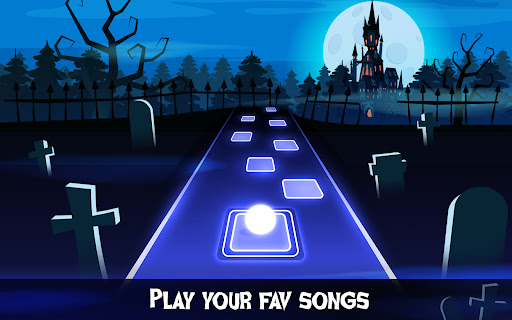
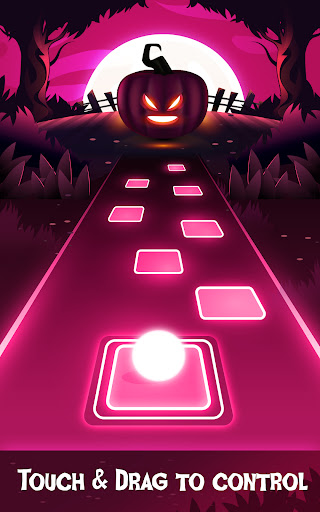
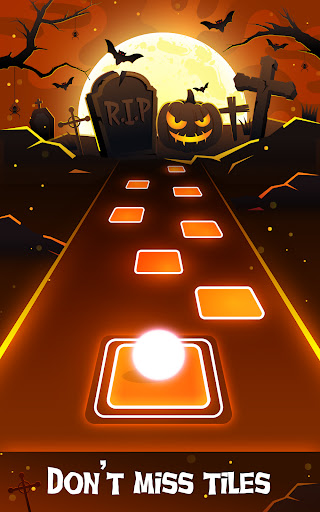
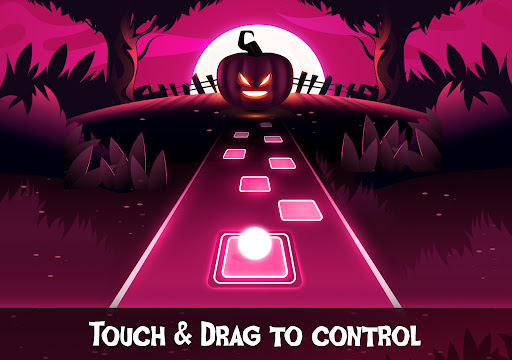
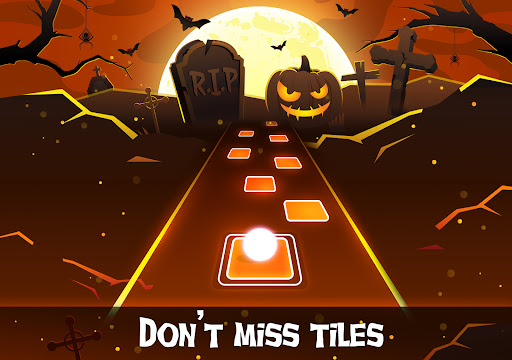
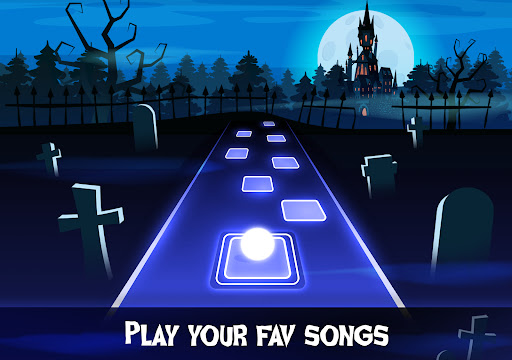
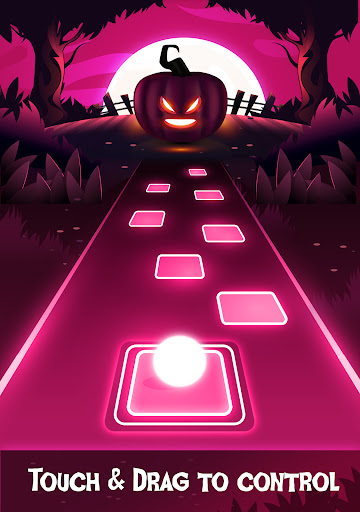
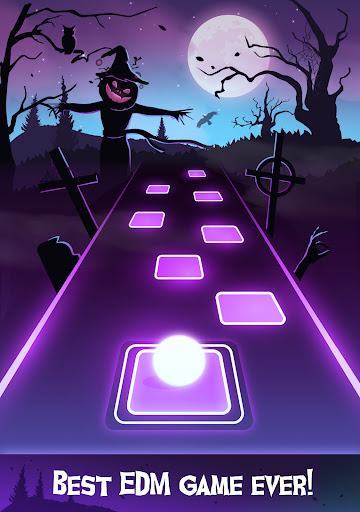
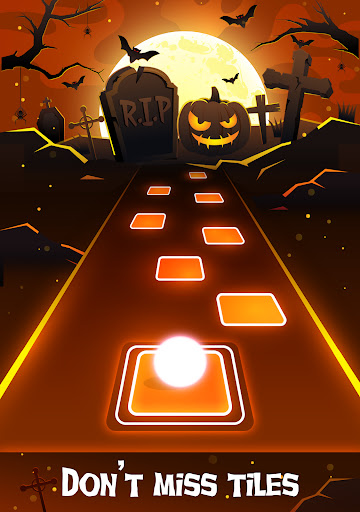
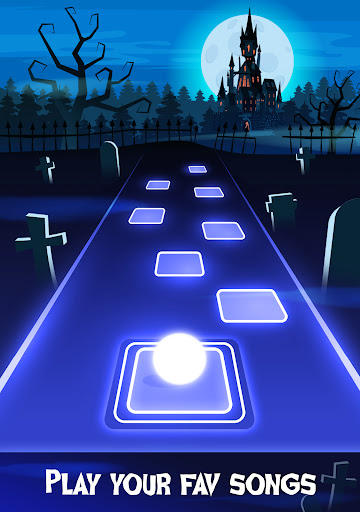
Tiles Hop: EDM Rush! understands a very simple truth about mobile games: if the first few seconds feel good, people will keep playing. And this one does feel good almost immediately. You drag a bouncing ball left and right, aiming to land on a chain of floating tiles while a song plays in the background. That is basically the entire pitch, and in practice it works because the controls are so direct. There is no cluttered input scheme to learn, no complicated tutorial to sit through, and no mystery about what the game wants from you. You touch the screen, follow the path, and try to stay locked in. After spending real time with it, what stood out most is how effectively it turns a tiny interaction into something tense and satisfying. A clean run feels great. When the tile path curves sharply or starts asking for faster side-to-side corrections, the game creates that familiar rhythm-game tunnel vision where your brain stops thinking in words and just reacts. It is not a deep simulator of music performance, but it absolutely nails the “one more try” energy that keeps short-session arcade games alive. That simplicity is the app’s first major strength. Tiles Hop is approachable in a way many rhythm games are not. You do not need previous rhythm-game experience, and you do not need especially fast thumbs to understand it. The challenge ramps up naturally. Early songs are readable and forgiving, while later runs and endless play ask for tighter control and better concentration. The increasing speed gives the game a welcome edge. It starts as something relaxing and quickly becomes something that can genuinely test your focus. The second strength is the music-driven variety. Even though the core mechanic never changes much, the app avoids feeling completely flat because songs alter the pace and personality of each run. Some tracks are breezy and easy to settle into; others feel jumpier and more demanding. There is also clear appeal in having a broad selection of songs rather than being stuck with a tiny starter pack forever. One of the more enjoyable parts of using the app is simply browsing, picking a track that matches your mood, and seeing how the tile path interprets it. For a casual audience, that is more than enough to keep the game rotating back into daily use. A third strength is that it generally succeeds as a pick-up-and-play time killer. This is a game built for bus stops, waiting rooms, and those idle ten-minute breaks when you want stimulation without commitment. Sessions are short, restart times are quick, and the rules are always instantly understandable. That convenience matters. Some mobile rhythm games demand too much setup or concentration to be worth opening casually. Tiles Hop rarely has that problem. It is light, immediate, and easy to revisit. That said, the app also runs into three recurring frustrations that are hard to ignore. The biggest is advertising. In a free mobile game, ads are expected; in Tiles Hop, they too often feel baked into the rhythm of play in a way that interrupts momentum. When you are trying to bounce from song to song and improve your run, frequent ad breaks chip away at the smooth arcade flow that makes the game fun in the first place. There are also moments where the app seems eager to put a video between you and whatever you wanted to do next, whether that is reviving, unlocking, or simply continuing your session. It does not make the game unplayable, but it does make it feel more transactional than it should. The second issue is that the song experience is uneven. The concept is all about music, but not every track lands with the same impact. Some songs are enjoyable enough as backing tracks, while others feel more like acceptable filler than must-play material. If you are picky about music authenticity or expect every song to hit with the punch of the original version you know elsewhere, this can be a letdown. The game is strongest when the track and the tile path click together and you stop noticing the app around them; it is weaker when the music feels merely functional. The third weakness is that technical roughness still shows up from time to time. Most of the time, the game feels smooth, but there are enough reports of lag, freezes, or odd misses to make this a believable concern, and in our time with the game the occasional sense of inconsistency did not feel impossible. In a rhythm title, even a small stutter matters because timing is the whole experience. If the ball appears to skip where you intended to go, or the app hesitates mid-run, the loss feels unfair in a way that ordinary arcade games can sometimes absorb more easily. There is also a softer design issue: over longer stretches, the game can become repetitive. The central loop is polished, but it is still the same loop. If you are the kind of player who wants evolving mechanics, layered progression, or lots of modes to master, Tiles Hop may start to feel samey once the novelty wears off. The song selection helps, but it does not fully disguise the fact that the app is built around a single very repeatable idea. So who is this for? It is a strong fit for casual players, younger audiences, and anyone who likes music-themed games that do not demand expert rhythm skills. It is also good for people who enjoy chasing cleaner runs, unlocking songs, and dipping into a familiar game for a few minutes at a time. If you like runner-style pressure with a musical wrapper, there is a lot here to enjoy. Who is it not for? Players who hate ads, demand technical perfection, or want a more serious and precise rhythm-game experience may bounce off it. The same goes for anyone who gets bored quickly with one-note arcade design, no matter how polished the note is. Overall, Tiles Hop: EDM Rush! remains easy to recommend, with conditions. At its best, it is catchy, tense, and absurdly playable in short bursts. At its worst, it reminds you that free mobile games often tax your patience as much as your reflexes. If you can tolerate that tradeoff, there is a genuinely fun music runner here.