
Apps Games Articles
Bike Hop: Crazy BMX Bike Jump
CASUAL AZUR GAMES
Rating 4.5star icon
Editor's summary
Editor rating
star icon star icon star icon star icon
half star icon
4.5

One-line summary Bike Hop is an easy-to-love offline arcade time-waster with genuinely funny crashes and satisfying upgrade loops, but its ad pressure and limited long-term depth can wear thin if you want more than quick sessions.

  • Installs

    10M+

  • Developer

    CASUAL AZUR GAMES

  • Category

    Arcade

  • Content Rating

    Teen

  • Latest version

    1.0.81

  • Package

    bike.hop.fall

In-depth review
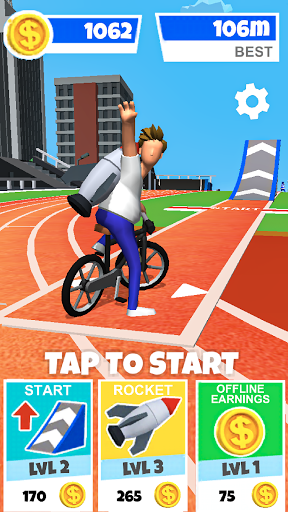
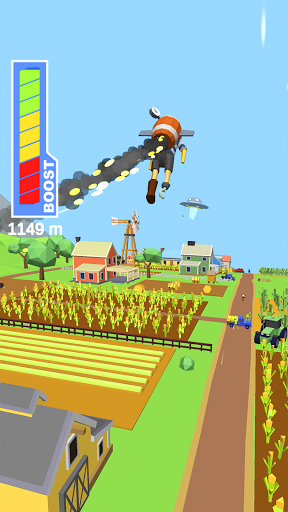
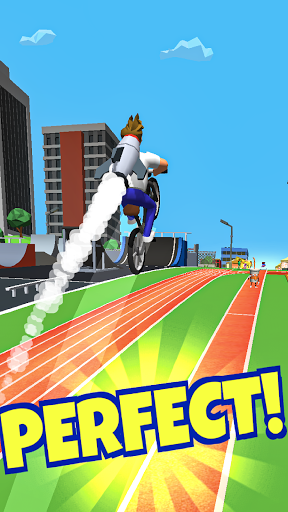
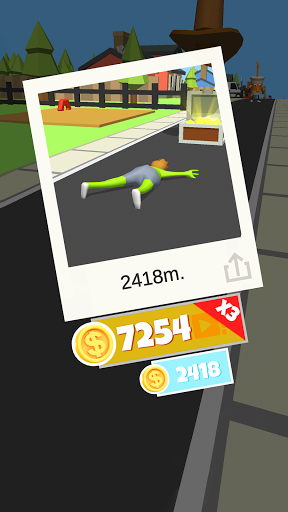
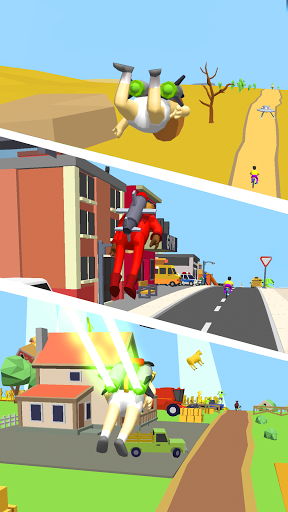
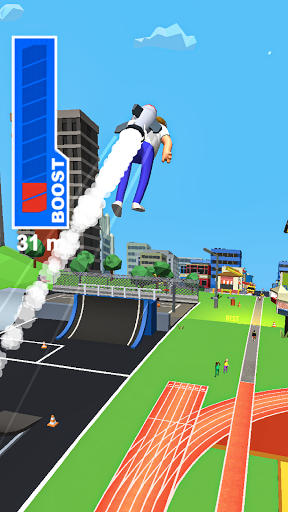
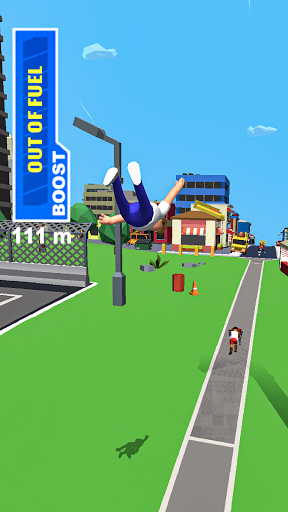
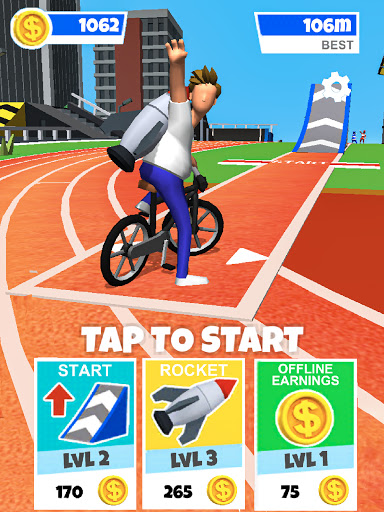
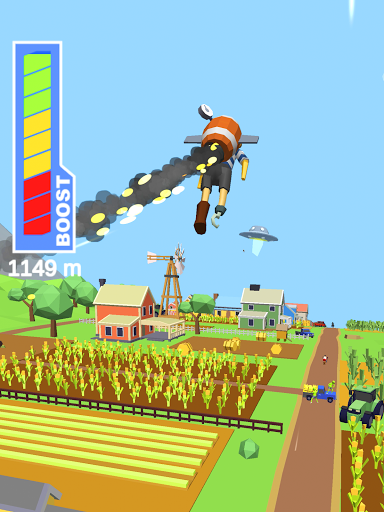
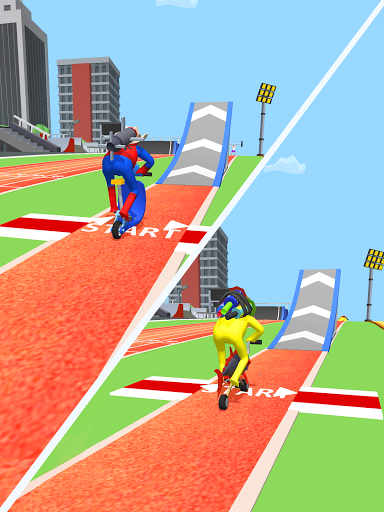
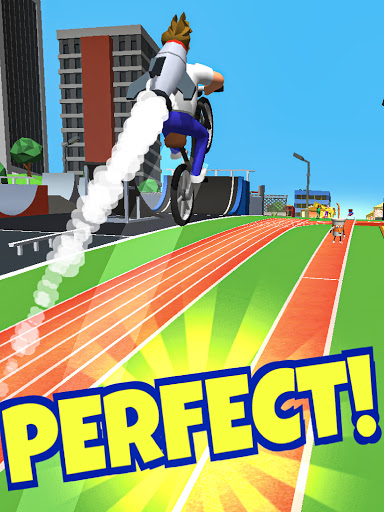
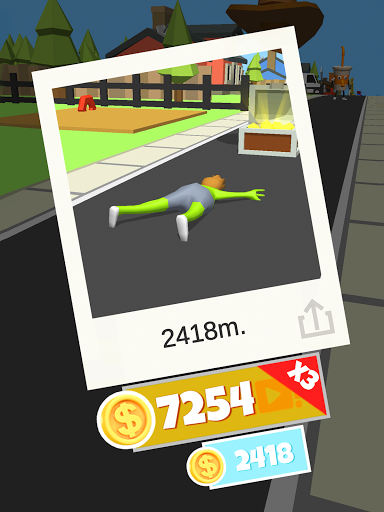
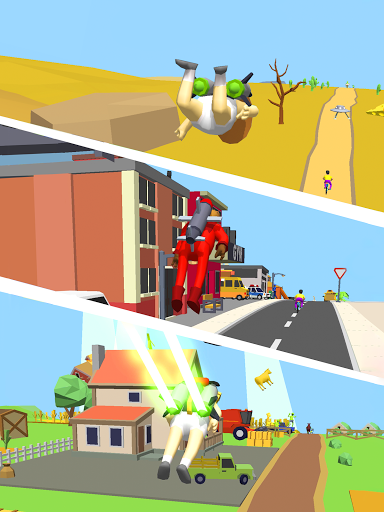
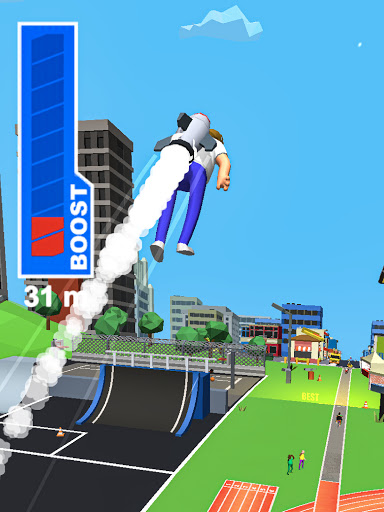
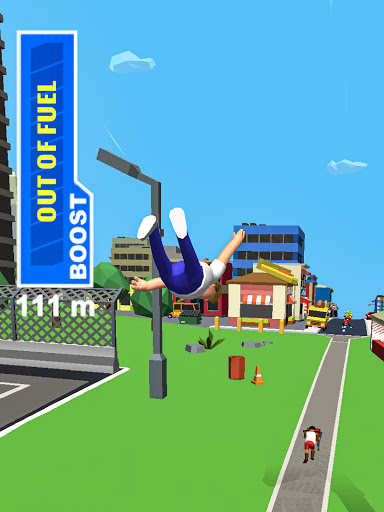
Bike Hop: Crazy BMX Bike Jump knows exactly what kind of game it wants to be, and after spending time with it, that clarity ends up being its biggest strength. This is not a realistic BMX sim, a trick-heavy sports game, or a deep progression epic. It is a compact, silly, one-more-run arcade game built around launching a rider off a ramp, tapping for speed, burning jetpack fuel in midair, and trying to squeeze out a few more meters than last time. In short bursts, it is extremely effective. The first thing that stood out in my time with Bike Hop was how immediate it feels. The controls are simple enough to understand almost instantly: tap to build momentum, tap to accelerate, tap to launch, then tap your way through the flight phase. There is no complicated onboarding required because the core loop explains itself the moment you start playing. That simplicity also makes it unusually good for one-handed play. I found it easy to dip into during a spare minute, finish a run in well under a minute, collect coins, upgrade a stat, and jump right back in. It has the rhythm of a mobile game that understands interruption-heavy phone use. What keeps those short sessions entertaining is the game’s sense of physical comedy. The rider’s launches, midair flailing, rough landings, and outright face-plant crashes are the kind of exaggerated slapstick that make failure amusing instead of irritating. Even when a run ended badly, it usually ended in a way that made me want to try again rather than quit. That matters in a game where you fail constantly by design. Bike Hop turns repetition into part of the joke, and that gives it a breezy, low-stakes charm. The upgrade system also does a lot of heavy lifting. Progress comes in small, frequent rewards, and the game is smart enough to let you feel the effect of those upgrades without making the early game drag. Improving launch speed, jetpack performance, and overall travel distance gives each session a sense of direction. You are not just replaying the same jump; you are nudging a number upward, extending a glide, or getting over the next stretch of terrain that stopped you before. It is an old formula, but Bike Hop executes it well enough that I kept falling into the “just one more run” pattern. Another genuine plus is that the game works well as an offline distraction. That makes a difference for an arcade title like this, because it means it can fill those dead moments when you do not have a stable connection or simply do not want to deal with network-heavy mobile clutter. In offline play, Bike Hop feels closer to what it should be: quick, disposable fun with very little friction. That said, the app is not without annoyances. The most obvious issue is ad pressure when you are connected. The game is free, and nothing about its monetization is especially surprising for the genre, but there is still a noticeable difference between the breezy offline experience and the more interrupted online one. Ads do not completely ruin the game, but they do chip away at its momentum. In a title built around rapid retries, anything that breaks the run-upgrade-run loop feels more intrusive than it might in a slower-paced game. The second weakness is repetition. Bike Hop is funny and satisfying, but it is also narrow. Once you have understood the timing and settled into the progression system, you have seen the shape of the entire experience. That is not a problem if you want a lightweight time-killer, but it does mean the game can flatten out over longer sessions. I enjoyed it most in short bursts. Play for too long at once and the novelty fades, because the appeal depends more on incremental distance gains than on discovering substantially new mechanics. The third issue is that the game can feel a little rough around the edges in places. The overall presentation is clean enough and the performance is generally snappy, but there are moments where it feels more like a clever casual toy than a carefully refined arcade classic. Some systems seem built for convenience more than consistency, and the experience does not always project the polish of a top-tier endless arcade game. It is still easy to play and easy to enjoy, but not everything about it feels equally smooth or fully thought through. Visually, Bike Hop lands in a sweet spot for this kind of game. The graphics are colorful and readable rather than ambitious, and that is the right call. The game needs clear motion, visible obstacles, and exaggerated impacts, not realism. The style helps sell the humor, and the nonsense of flying a BMX rider across hills and city stretches with a jetpack on his back gives the whole thing a playful, almost toybox quality. So who is this for? It is ideal for players who like arcade progression games, physics-flavored comedy, and short-session mobile design. If you want something you can open for 30 seconds or five minutes without needing total focus, Bike Hop is a very easy recommendation. It is also a good fit for players who value offline play and do not mind a simple loop as long as it is satisfying. Who is it not for? If you want deep mechanics, broad variety, realistic bike handling, or a premium-feeling progression system with little repetition, this will probably wear out its welcome. Players with a very low tolerance for ads in free games may also want to be cautious unless they plan to play mostly offline or remove the interruptions. Overall, Bike Hop succeeds because it does not overreach. It offers quick laughs, fast retries, satisfying upgrades, and controls that anyone can understand in seconds. Its shortcomings are real: ads can be annoying, the loop gets repetitive, and it lacks long-term depth. But taken on its own terms, it is a polished enough, funny enough, and accessible enough arcade game that I kept coming back to it longer than I expected. For a free mobile time-waster, that is a strong result.
Alternative apps