Apps Games Articles
Piano Kids - Music & Songs
Orange Studios Games
Rating 4.4star icon
Editor's summary
Editor rating
star icon star icon star icon star icon
half star icon
4.5

One-line summary Piano Kids - Music & Songs is one of the rare free kids apps that feels genuinely generous and educational, though the ad-supported version and slightly crowded grab-bag design can still get in the way.

  • Installs

    100M+

  • Developer

    Orange Studios Games

  • Category

    Music

  • Content Rating

    Everyone

  • Latest version

    2.99

  • Package

    com.orange.kidspiano.music.songs

In-depth review
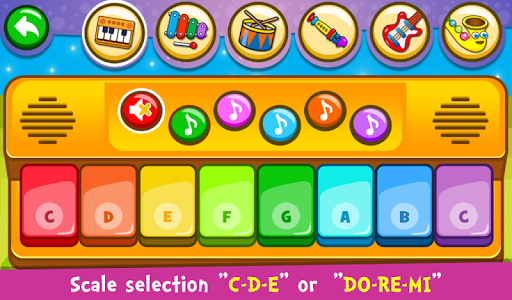
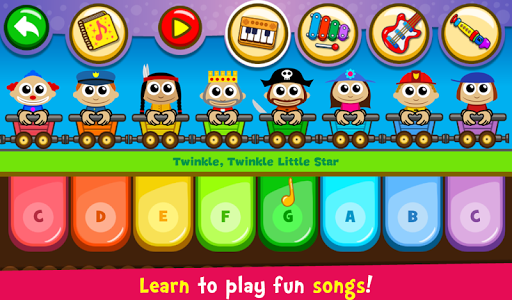
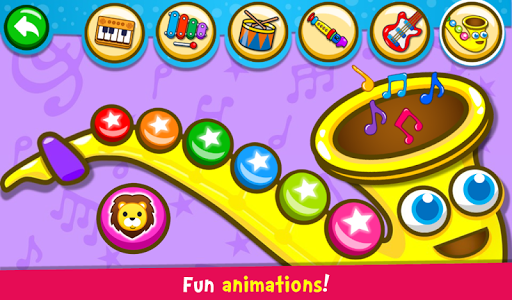
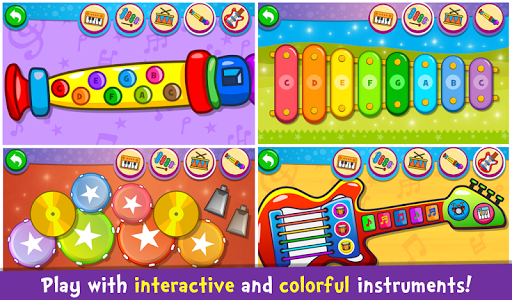
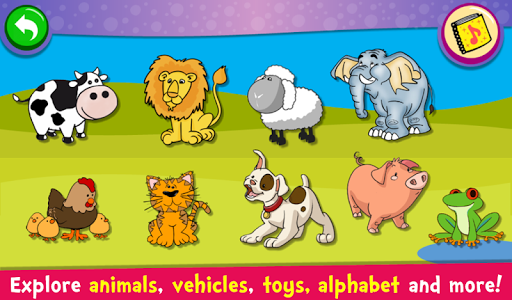
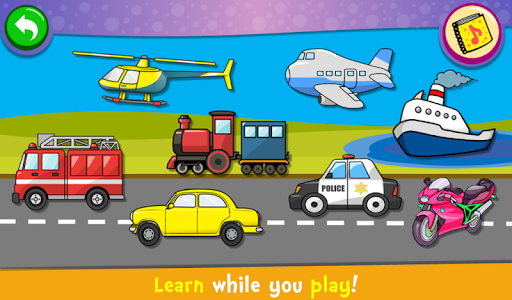
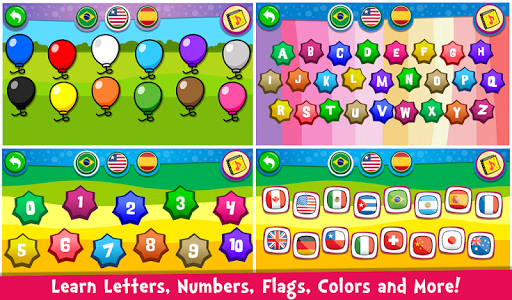
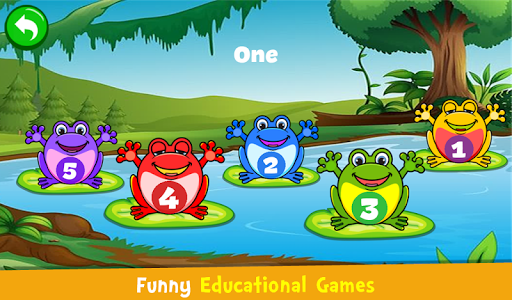
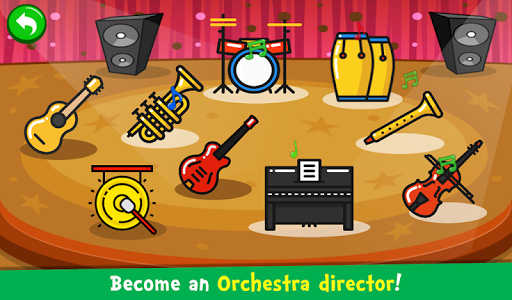
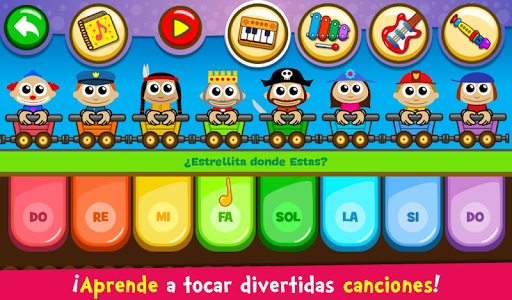
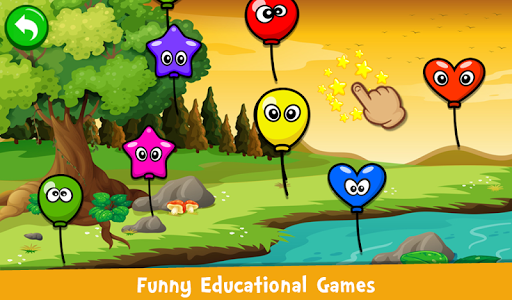
Piano Kids - Music & Songs is one of those apps that sounds narrow from the title and then surprises you the moment you open it. I went in expecting a basic toddler piano toy with a few tappable instruments. What I found instead was a sprawling collection of musical activities, early-learning mini-games, sound boards, and simple educational exercises wrapped in a bright, kid-friendly package. That scope is the first thing that stands out. This is not just a pretend keyboard app. It is much closer to an all-in-one preschool activity box with music as the hook. In everyday use, the app makes a strong first impression. The visual design is colorful without being ugly, and the interaction style is easy to understand almost immediately. Young children can tap around, trigger sounds, and get results fast. That matters more than many developers seem to realize. A lot of kids apps claim to be for toddlers but hide their best content behind menus that only adults can navigate. Piano Kids mostly avoids that problem. During testing, it felt built around the idea that little hands should be able to make something happen with minimal instruction. The instrument section is still a major attraction. The piano, xylophone, drums, guitar, flute, saxophone and other options are simple, lively, and satisfying to poke at. No one should expect a serious music-learning tool in the formal sense, but that is not the point. The app succeeds because it turns sound-making into immediate play. Notes are bright, touch targets are large enough, and the whole thing encourages experimentation rather than precision. For very young kids, that is exactly the right approach. They are not being asked to master scales; they are being invited to connect touch, sound, rhythm, and cause-and-effect. The second big strength is variety. After spending time with it, the app’s real selling point is not any single mode but the sheer range of things packed inside. There are songs to follow, sounds to identify, numbers and letters to explore, shape and memory activities, drawing-style tasks, and other mini-games that widen the appeal well beyond music. This gives the app unusual staying power. A child can start with random tapping on instruments, then gradually move into more structured play. That broad progression makes the app feel useful for a longer age span than many toddler apps, which often become repetitive after a week. That said, the app’s abundance can also become one of its weaknesses. The experience is broad rather than tightly curated. Instead of feeling like one carefully paced product, it sometimes feels like a big toy chest poured onto the floor. For kids, that can be exciting. For adults who prefer a cleaner, more focused educational path, it may feel scattered. The app jumps between music play, vocabulary, counting, sound recognition, and general preschool games in a way that is fun but not always elegant. If you want a structured lesson flow or a more refined progression system, this is not really that kind of app. Another thing I appreciated is that the app generally feels cheerful rather than stressful. Feedback is celebratory, and successes are reinforced in a way that younger children tend to respond to well. The whole atmosphere is encouraging. There is very little friction in the core loop: tap, hear, match, celebrate, repeat. That simplicity is one reason the app works so well for toddlers and preschoolers, and also for children who may benefit from more direct, sensory-first interactions. The third major strength is that the free version appears far more usable than the average ad-supported kids app. That does not mean ads are absent. They are part of the experience, and for any app aimed at young children, that is automatically a point against it. But in practice, the ad load felt more tolerable than in many free children’s apps, where every second screen turns into a trap for accidental taps. Even so, ads remain one of the app’s clearest drawbacks. Hand a device to a toddler and any interruption, however brief, becomes more annoying than it would be for an adult. If you plan to use this app regularly, ad removal is the version that makes the most sense. A second weakness is that the presentation, while friendly, can sometimes feel busy. There is a lot of color, a lot of movement, and a lot of menu content to browse. Children may love that energy, but some parents will find the app visually noisy compared with more modern minimalist educational apps. It is functional, not especially sleek. A third complaint is that the app’s name still overpromises music and underexplains everything else. If you want a dedicated beginner piano-learning app with more formal instruction, progressive lessons, or stronger emphasis on technique, this is not it. Music here is playful, exploratory, and mixed into a broader preschool bundle. That is a plus for most families, but a mismatch for anyone specifically shopping for focused piano education. So who is it for? This is an excellent fit for toddlers, preschoolers, and young children who enjoy tapping, listening, matching, and exploring. It also works well for parents who want one app that can cover a lot of ground without locking everything behind subscriptions or aggressively restricted free play. It is especially good as a shared app to hand over in short bursts: in a waiting room, on a tablet at home, or during travel. Who is it not for? Older kids looking for depth will probably outgrow it. Parents who want a tightly structured learning curriculum may find it too loose. And anyone specifically hoping for a polished digital piano tutor should look elsewhere. Overall, Piano Kids - Music & Songs gets a lot right. It is easy to use, surprisingly expansive, and genuinely fun in the way good kids apps need to be. It is not perfect: ads are still ads, the design can feel cluttered, and the app tries to be many things at once. But judged by how it actually feels to use with young children, it is one of the better free educational entertainment apps in its category, and an easy recommendation for families who want variety more than specialization.