
Apps Games Articles
Office Fever
Rollic Games
Rating 4.4star icon
Editor's summary
Editor rating
star icon star icon star icon star icon empty star icon
4.3

One-line summary Office Fever is easy to recommend if you want a breezy, satisfying idle-management game to dip into for a few minutes at a time, but harder to recommend if repetitive progression and likely ad-heavy pacing wear thin on you quickly.

  • Installs

    10M+

  • Developer

    Rollic Games

  • Category

    Simulation

  • Content Rating

    Everyone

  • Latest version

    5.2.3

  • Package

    com.dtg.officefever

In-depth review
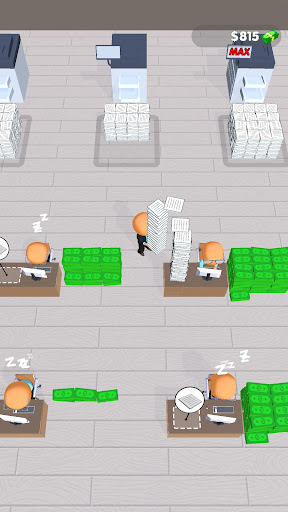
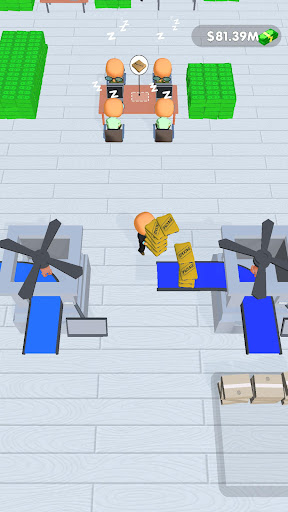
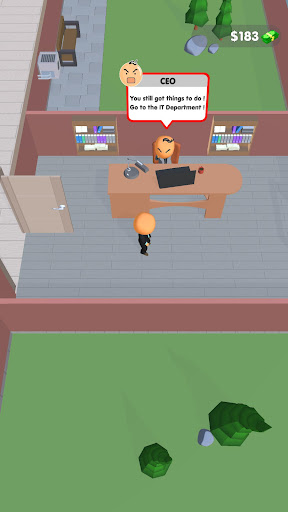
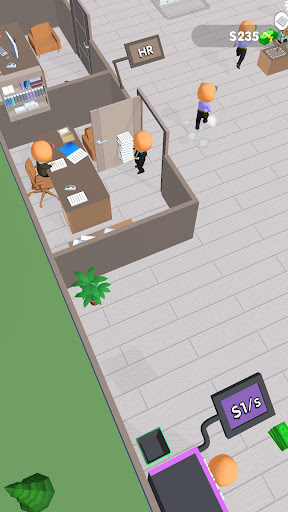
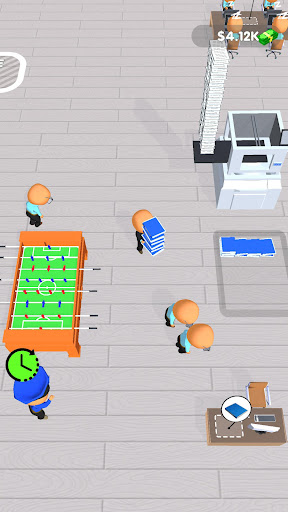
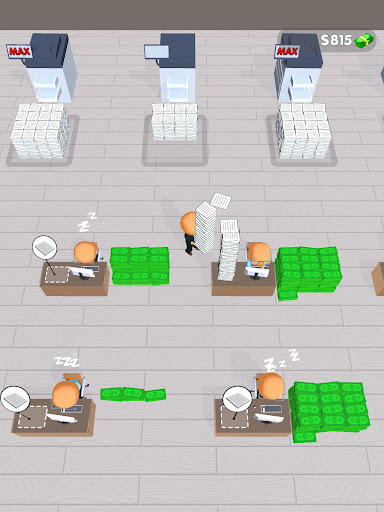
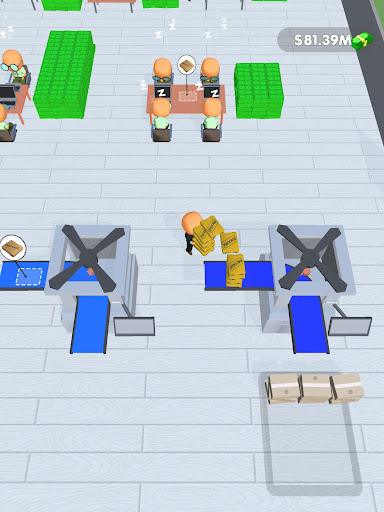
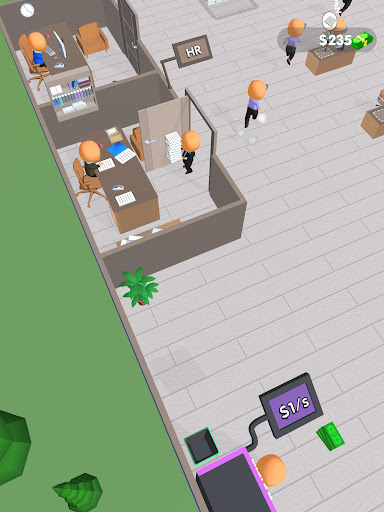
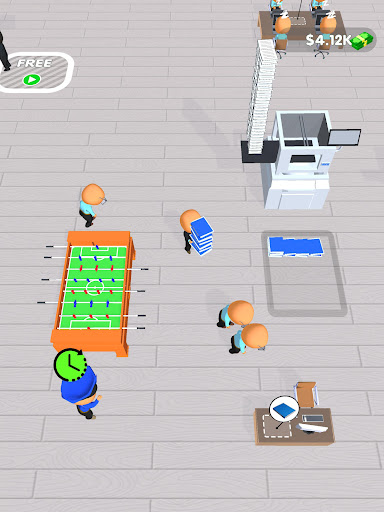
Office Fever is one of those mobile games that understands its assignment almost immediately. You open it, start building out an office environment, watch employees and workflows come to life, and within a few minutes the game has already delivered its core hook: the simple pleasure of turning a small, sluggish workplace into a busier, more efficient machine. After spending time with it, what stood out most was not complexity or originality, but how cleanly it taps into that familiar mobile loop of earning, upgrading, and expanding. From a hands-on perspective, the best thing about Office Fever is how approachable it feels. There is very little friction in getting started. You do not need to memorize systems or spend the first ten minutes trying to decode menus. The game pushes you into action quickly, and that makes it very easy to slip into during short play sessions. In that sense, it works exactly the way a free mobile management game should: you can check in for a couple of minutes, make a few upgrades, collect rewards, and leave feeling like you made visible progress. That visible progress is one of the game’s biggest strengths. Office Fever does a good job of making upgrades feel tangible instead of abstract. Even when the underlying mechanics are fairly simple, the feedback loop is satisfying because your changes appear to matter right away. The office gets busier, movement becomes smoother, and the overall pace picks up. That sense of momentum kept me playing longer than I expected. It gives the game a “just one more upgrade” energy that is easy to understand. The second major strength is the game’s overall readability. The presentation is bright and digestible, and the action on screen is easy to track. For an idle or light management title, that matters more than people sometimes realize. Some games in this category become cluttered fast, especially once multiple tasks are happening at once. Office Fever generally avoids that problem. It keeps the player’s attention where it needs to be, and that makes routine sessions feel relaxed rather than chaotic. The third strength is how well it fits casual play. This is not a game that demands uninterrupted attention. It works best when treated as a low-pressure background game: something you poke at while waiting in line, taking a break, or unwinding for a few minutes before bed. If you approach it with that expectation, it is genuinely enjoyable. The 4.4 rating and huge download count make sense from that angle. It is accessible, instantly understandable, and built around gratifying little bursts of progress. That said, Office Fever also runs into the same limitations that define much of the genre. The first weakness is repetition. After the initial wave of novelty wears off, the loop starts to show its seams. You are still doing variations of the same actions, still chasing upgrades in a familiar rhythm, and still relying on the same structure to generate a sense of advancement. If you love incremental games, that may be perfectly fine. If you are looking for evolving strategy or deeper decision-making, the game can begin to feel a little too automatic. The second issue is pacing. Early progress feels smooth, but games like this often become less brisk as you move along, and Office Fever gives that impression too. The upgrades remain motivating, but there were stretches where advancement felt more like waiting than managing. That does not ruin the experience, but it changes the mood. Instead of feeling clever or actively engaged, you sometimes feel like you are simply feeding resources into the next gate. The third weakness is that the game’s appeal is quite narrow. Office Fever knows what it is, but it does not do much to broaden its identity beyond the standard idle-management formula. That means your enjoyment will depend heavily on whether the theme and progression loop click with you. If the thought of optimizing a simplified office setup sounds oddly soothing, you will probably enjoy it. If you need stronger variety, richer goals, or more meaningful moment-to-moment choices, it may start to feel disposable sooner than you would like. What I appreciated most is that the game does not seem interested in overwhelming the player. It is light, readable, and rewarding in short bursts. What kept me from rating it even higher is that it never fully escapes the mechanical sameness baked into this style of mobile game. There is satisfaction here, but it is a familiar kind of satisfaction. So who is Office Fever for? It is for casual players who enjoy idle progression, simple management loops, and the quiet pleasure of making a small system run better over time. It is also a good fit for people who want a free game they can understand instantly and play in fragments throughout the day. It is not for players who want a rich simulation, deep strategic planning, or a management game with lots of surprise and variety. In the end, Office Fever succeeds because it delivers a polished, low-effort kind of fun. It is easy to pick up, easy to understand, and usually satisfying in the moment. Just go in expecting a streamlined idle game rather than a deep office simulator, and it becomes much easier to appreciate what it does well.