
Apps Games Articles
Pocket Love
HyperBeard
Rating 4.6star icon
Editor's summary
Editor rating
star icon star icon star icon star icon
half star icon
4.5

One-line summary Pocket Love is one of the coziest, cutest decorating sims on mobile, but its charm comes with a slower pace and occasional ad- or bug-related friction that won’t suit players who want constant action.

  • Installs

    10M+

  • Developer

    HyperBeard

  • Category

    Simulation

  • Content Rating

    Everyone

  • Latest version

    1.10.5

  • Package

    com.hyperbeard.pocketlove

In-depth review
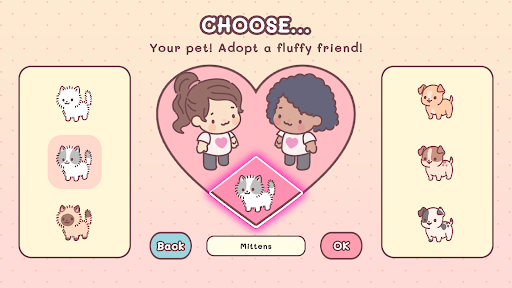
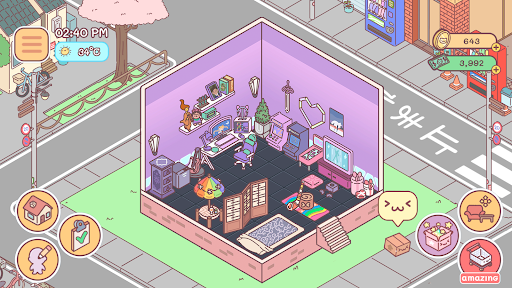
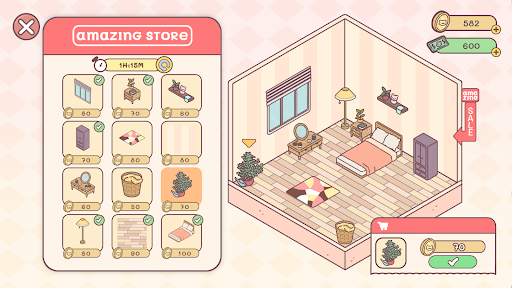
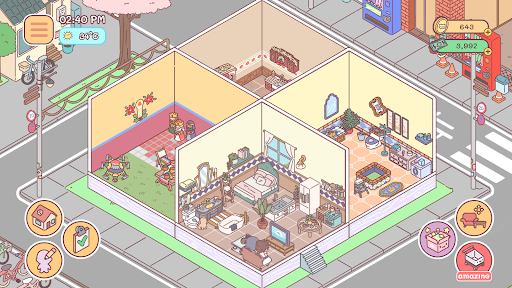
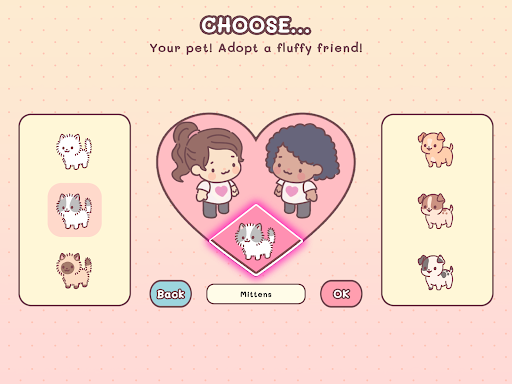
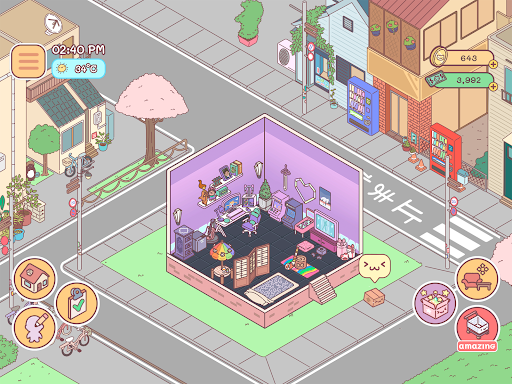
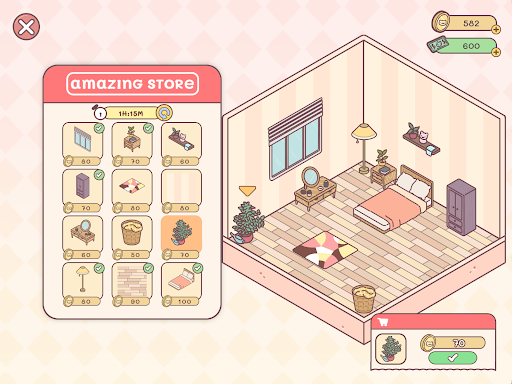
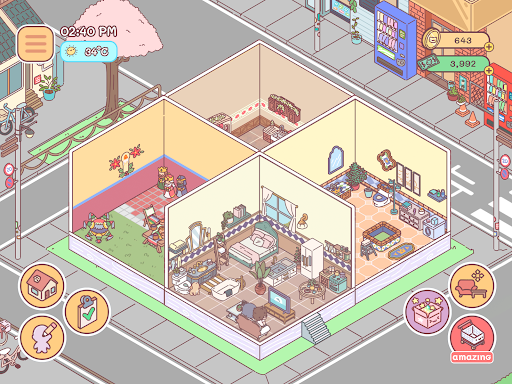
Pocket Love understands exactly what kind of game it wants to be: small, sweet, low-pressure, and emotionally cozy. After spending time with it, what stood out most was how successfully it delivers that feeling almost immediately. You create a couple, move into a tiny home, start placing furniture, adopt pets, and slowly shape a little shared life. There are plenty of mobile games that talk about relaxation, but Pocket Love actually feels relaxed in use. It’s not trying to overwhelm you with systems, punish you for missing a session, or turn every tap into a monetization funnel. The first thing that works in its favor is presentation. HyperBeard has a very recognizable soft, pastel-heavy visual style, and Pocket Love is one of its strongest showcases. The characters are adorable without becoming too busy, furniture is colorful and expressive, and the whole home has that toy-box appeal that makes you want to keep nudging items around until everything looks just right. The animations help a lot here. Little movements, date scenes, pet behavior, and the couple’s interactions give the house enough life that it feels inhabited rather than just decorated. It is not a deep simulation in the traditional sense, but it is very good at selling warmth. Customization is the second big strength. Making your couple is simple, but it still gives enough flexibility to feel personal. Changing outfits, hairstyles, and accessories is part of the fun, and the game keeps feeding that impulse to tinker. The home design side is even stronger. Buying furniture, swapping flooring and walls, expanding into new rooms, and trying to match themes is the real long-term hook. What I liked most is that decorating never feels overly technical. You do not need to master complicated building tools to make something charming. Pocket Love keeps things approachable, which makes it easy to pick up for five minutes and still feel like you made meaningful progress. The third major strength is how gentle the game is with its ads. This is still a free-to-play mobile app with ads and in-app purchases, so expectations need to be realistic, but Pocket Love generally keeps advertising optional rather than intrusive. In practice, that matters a lot. Instead of constant interruptions, the game more often frames ads as a trade: watch one, get an item or some extra rewards. That is a much easier system to live with, especially in a game built around comfort. It also helps that the app can be played offline, which makes it feel more like a true comfort game you can return to anywhere. That said, Pocket Love is not for everyone, and its weaknesses become clearer the longer you play. The biggest is pacing. If you come in expecting a bustling life sim with lots of tasks, story beats, or deep progression systems, this can start to feel thin. Once the excitement of early decorating settles, the loop becomes more obvious: check the shop, place items, wait for refreshes, maybe do a date event, maybe play a minigame, then log off. That slow rhythm is part of the charm, but it can also drift into repetition. There were stretches where I loved checking in, and stretches where I felt like I had run out of meaningful things to do beyond waiting for more furniture opportunities. A second issue is that the economy and rewards can sometimes feel restrictive unless you are willing to engage heavily with rewarded ads. Pocket Love is not aggressively pay-to-win, and it is more generous than many mobile design games, but the desire to collect specific furniture or fashion pieces runs into daily limits, shop randomness, and the temptation to watch "just one more" ad. If your decorating vision is very specific, the game can feel a little stingy simply because so much of the experience is based on waiting for the right items to appear. The third weakness is inconsistency in polish. For a game this polished visually, there are still occasional rough edges. During use, that mostly showed up in small annoyances rather than full-blown disasters: ad buttons not responding when I wanted a reward, UI moments that felt a little fussy, and the general sense that some systems are less refined than the art direction. Nothing here ruined the game for me, but in a title built on comfort, even minor friction stands out more than it would in a busier or more chaotic sim. There are also a few design limitations that are worth knowing before you download. The characters and home are charming, but interactions with the world are fairly light. Dates and little events are cute, yet the town itself does not feel especially expansive. The minigame selection is also pretty thin, so they function more as brief side activities than a meaningful second pillar of play. And while the app is inclusive and easy to personalize in broad strokes, players who want deeper avatar options, more body diversity, or richer relationship simulation may eventually hit the edges of what Pocket Love offers. Who is this for? It is ideal for players who want a cozy, low-stress decorating game with a romantic framing, adorable pets, and enough customization to make a tiny digital home feel personal. It is especially easy to recommend to people who like checking in briefly throughout the day rather than grinding for hours. It is also a good fit for players who prefer optional ads over forced interruptions. Who is it not for? If you want fast progression, lots of goals, complex building tools, or a deep life simulator with robust social systems, Pocket Love may feel too slight. And if waiting on shop rotations or ad-based rewards irritates you, some of the game’s soft charm will wear off quickly. Even with those caveats, Pocket Love is easy to like. It knows its lane and stays in it: cozy, cute, and just interactive enough to keep your attention without turning into work. I would not call it the richest simulation on mobile, but I would absolutely call it one of the most soothing. When I wanted a game that felt like arranging a tiny happy world instead of managing one, Pocket Love delivered.