
Apps Games Articles
Kick & Break The Ragdoll Games
Game District LLC
Rating 4.5star icon
Editor's summary
Editor rating
star icon star icon star icon star icon empty star icon
4.1

One-line summary Kick & Break The Ragdoll Games is an easy, silly stress-relief time-waster with satisfying slapstick destruction, but the heavy ad load and limited long-term depth make it better for short bursts than serious sessions.

  • Installs

    50M+

  • Developer

    Game District LLC

  • Category

    Simulation

  • Content Rating

    Everyone

  • Latest version

    10.4.0

  • Package

    com.playflix.kick.breakragdoll.games

In-depth review
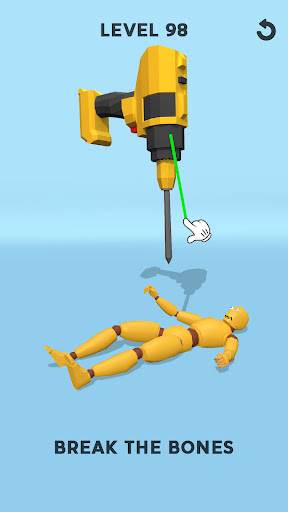
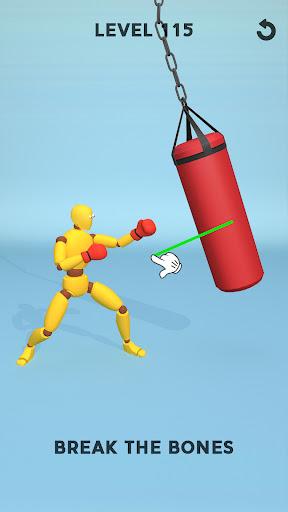
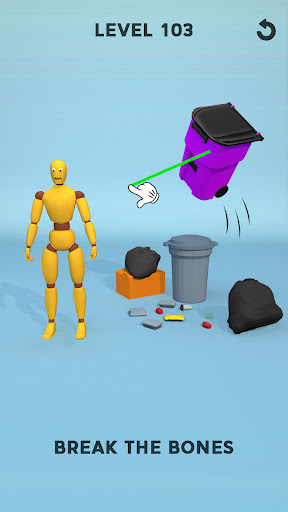
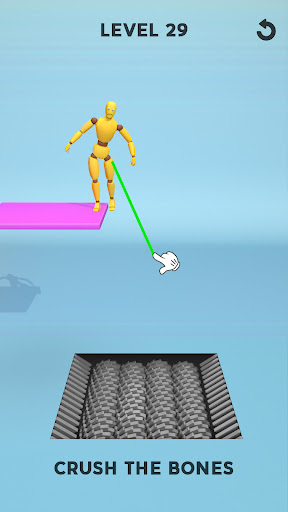
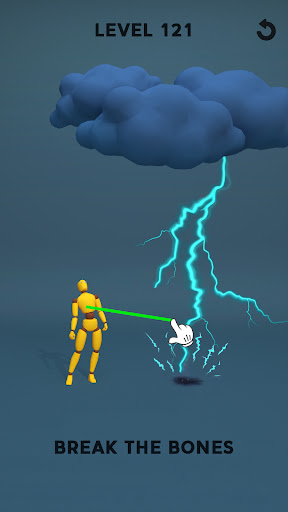
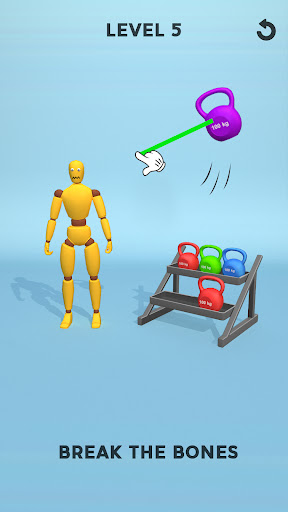
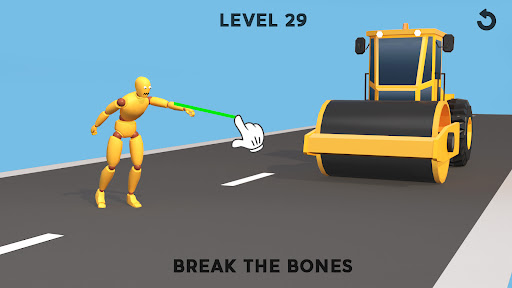
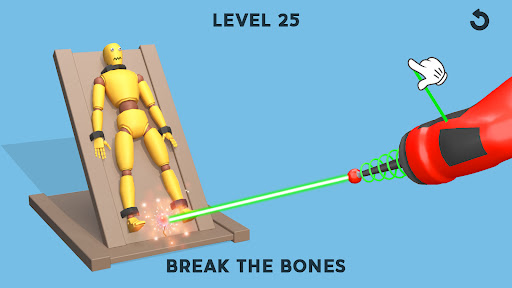
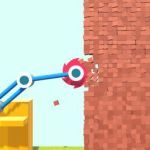
Kick & Break The Ragdoll Games knows exactly what it wants to be: a quick-hit stress toy disguised as a simple mobile game. After spending time with it, that clarity is both its biggest strength and its biggest limitation. This is not a deep simulation, not a physics sandbox in the heavyweight sense, and not a game you install for strategy or progression. It is a light, often funny, occasionally mindless app built around one core pleasure: sending a ragdoll into increasingly painful, over-the-top situations and watching the result. From the first few minutes, the appeal is obvious. The controls are easy to grasp, the objective is immediate, and the game wastes very little time getting to the point. You tap, trigger, and line up ways to damage the ragdoll, and the payoff comes fast. That speed matters. A lot of mobile games in this “stress relief” lane drag things out with too many menus or too much explanation, but this one is at its best when it just lets you start causing chaos. It has that pick-up-and-play quality that makes it easy to open for a minute or two while waiting in line or killing time between other tasks. The second thing that works well is the game’s sense of slapstick. The ragdoll reactions are exaggerated in a way that makes the whole experience feel more cartoonishly absurd than cruel. The disintegration and break effects are clearly designed to be ridiculous, not realistic, and that gives the game a goofy personality. There is a morbid humor to it, but it is softened by the wooden-dummy feel of the character and the intentionally overblown physics. When the game lands a good setup, it can be genuinely funny in the way a classic trap gag is funny: you see what is about to happen, you trigger it anyway, and the ridiculous collapse is the reward. A third strength is the structure of the levels themselves. Even though the core loop is simple, the game does make a reasonable effort to keep scenarios varied. Many levels revolve around finding the right way to break the ragdoll rather than merely repeating the exact same tap over and over. That small element of setup and experimentation gives the game more texture than a pure idle clicker. It is not a puzzle game in any deep sense, but there is just enough variation in how destruction is arranged to keep the early and middle portions from feeling completely flat. That said, the weaknesses show up just as quickly if you play longer than a casual burst. The most obvious issue is ads. This is a free game, so advertising is not surprising, but here it often intrudes on the flow of play. In a game built around instant gratification, interruptions feel especially noticeable. When the fun depends on rhythm—load in, trigger chaos, laugh, move on—ads break that rhythm hard. There are also moments where ad-gated rewards, such as skins, feel less like a bonus and more like a reminder that much of the game is designed around monetized pauses. Another weak point is repetition. While the game does a decent job of mixing up scenarios at first, the overall experience still leans heavily on a single joke. If that joke clicks with you, you will have fun. If it doesn’t, the app runs out of surprises quickly. After enough levels, the novelty starts to flatten out, and you begin to notice how little there is beyond the central impact gag. This is the kind of app that works best in short sessions precisely because extended play exposes its limited range. The audiovisual presentation is also a bit uneven. The visuals are colorful and readable enough for this kind of game, and the physics-driven action is the real star, but the overall polish feels modest rather than standout. In particular, the sound side could do more to sell the impacts. For a game centered on kicks, crashes, and breakage, stronger and more varied audio feedback would make a real difference. The experience is already tactile in concept, and with richer sound design it could feel much more satisfying from moment to moment. That leaves the bigger question: who is this for? I would recommend Kick & Break The Ragdoll Games to players who want low-commitment mobile entertainment, especially people who like dumb physics humor and stress-relief apps that ask almost nothing from them. It is good for short, disposable play sessions and for anyone who enjoys watching exaggerated ragdoll chaos unfold with minimal effort. I would not recommend it to players looking for meaningful progression, thoughtful simulation systems, or an experience with much staying power. It is also a poor fit for anyone with a very low tolerance for ads or for violent slapstick, even in a cartoonish form. The game is more mischievous than graphic in tone, but its entire premise is still built around repeatedly hurting a character for laughs. In the end, Kick & Break The Ragdoll Games succeeds because it understands the value of immediacy. It is silly, accessible, and often satisfying in exactly the way it promises. But it also feels like an app with a low ceiling: fun in short bursts, annoying when interrupted too often, and not especially deep once the novelty fades. If you treat it as a disposable stress-buster instead of a game to settle into for weeks, it does its job well.