
Apps Games Articles
Ludo STAR
Gameberry Labs
Rating 4.1star icon
Editor's summary
Editor rating
star icon star icon star icon star icon empty star icon
4.1

One-line summary Ludo STAR is easy to recommend if you want a lively, social online Ludo app with fast matchmaking and friend play, but I’d hesitate if you’re sensitive to freezes, connection hiccups, or progression changes that can make a casual board game feel more fussy than it should.

  • Installs

    10M+

  • Developer

    Gameberry Labs

  • Category

    Board

  • Content Rating

    Everyone

  • Latest version

    1.120.3

  • Package

    com.superking.ludo.star

In-depth review
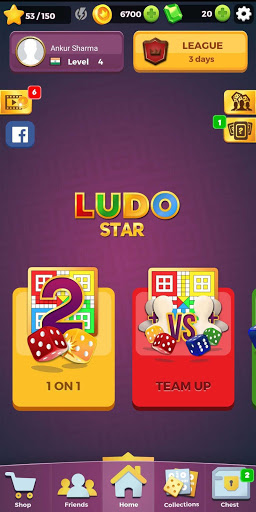
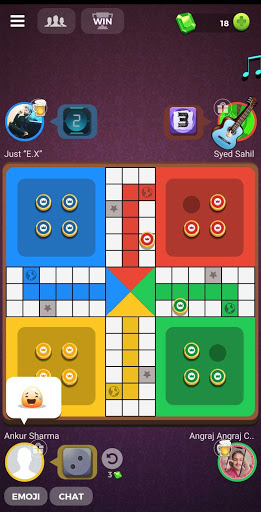
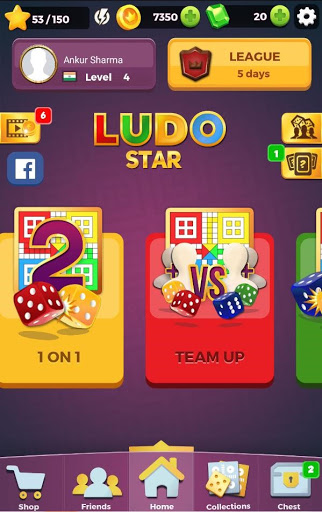
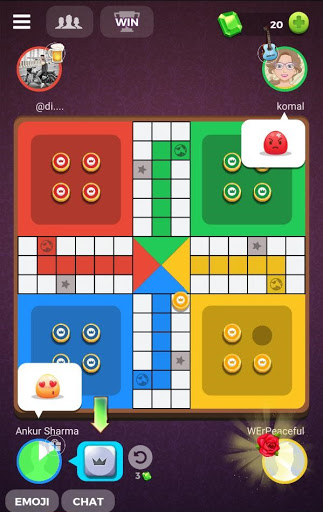
Ludo STAR understands something important about mobile board games: people rarely open them just for the rules. They open them for routine, rivalry, and conversation. After spending time with it, that is the clearest reason the app still works so well. At its best, Ludo STAR turns a very familiar board game into a social hangout space. You jump in, invite a friend or match with a stranger, roll a few lucky sixes, and suddenly a simple game starts feeling competitive, personal, and surprisingly sticky. The first thing that stood out to me in everyday play was how approachable it is. This is not a complicated app to learn. If you know Ludo, you can get going quickly, and if you do not, the structure is simple enough that most players will understand the basics after a round or two. The interface is bright, busy, and unmistakably built for quick mobile sessions. It is not minimalist, but it does keep the main action easy to follow. Moving tokens, tracking turns, and jumping between matches all felt straightforward enough that I never had to fight the core game just to start having fun. That ease of use matters because Ludo STAR is strongest when treated as a daily social game. Playing with friends is where it shines most. The app does a good job of making Ludo feel more alive than a plain digital board on a screen. There is a sense of momentum to matches, especially when players know each other and every hit or block turns into banter. The social layer helps carry the experience, and the built-in chat-focused personality of the app gives it more energy than a bare-bones board game conversion. Even when I switched to random opponents, matches usually started fast enough to keep the experience casual rather than tedious. Another genuine strength is variety in how you can spend your time. Ludo STAR is not content with offering only one standard board and one set of rules. It clearly wants players to keep coming back through different modes, events, collectibles, and reward loops. That works to a point. There is usually something to tap on, some progression to chase, and some reason to play one more round. For players who enjoy a familiar game wrapped in a more modern mobile structure, this gives Ludo STAR more staying power than a simpler offline clone. The presentation also deserves credit. The visuals are colorful and friendly, and the overall tone is playful without becoming hard to read. It feels made for long-term use, not just a quick novelty install. In a category where some board-game apps feel dry or dated, Ludo STAR has enough polish to feel inviting. Still, the longer I used it, the more the rough edges started to show. The biggest issue is technical consistency. When the app is running smoothly, it is enjoyable. When it is not, the frustration hits immediately because Ludo is so turn-sensitive. Freezes, hangs, or moments where the game seems to slip into auto-play can ruin the mood of a match fast. In a board game where timing and attention matter, even a short interruption feels worse than it would in many other genres. I also got the sense that the app can feel heavier than it should under less stable internet conditions, which is not ideal for a game that ought to be dependable on a wide range of connections. My second reservation is that the app sometimes feels over-managed by its progression systems. Rewards, dice, gems, sharing, collectible mechanics, and other layered systems can add motivation, but they also make the experience feel less clean than it needs to be. There is a point where a classic board game starts carrying too much mobile-game baggage. If you only want to sit down and play Ludo with minimal fuss, some of these extra systems can feel distracting rather than exciting. The third issue is trust in the match flow. In any dice game, luck will always create suspicion, and Ludo STAR does not completely escape that problem. Over time, some matches can feel swingy in a way that makes the game seem less elegant than the physical original. Whether that is just the emotional volatility of dice or something about how outcomes feel when compressed into fast mobile rounds, the result is the same: losses can sometimes feel irritating rather than amusing. A good digital board game should make random outcomes feel dramatic, not exhausting. Who is this for? Ludo STAR is for players who want Ludo as a social mobile habit: friends, families, competitive casuals, and anyone who likes chatting, collecting rewards, and hopping into quick online matches throughout the day. It is especially appealing if you enjoy familiar gameplay wrapped in a more energetic app structure. Who is it not for? If you want a stripped-down, offline-first Ludo experience, or if you are easily annoyed by ads, progression clutter, occasional instability, or any sense that a classic board game has been turned into a busier live-service package, this may wear on you. Overall, I came away with a positive impression. Ludo STAR is fun, easy to keep returning to, and excellent at making a traditional board game feel socially relevant on a phone. But it is also the kind of app that can test your patience when technical issues or progression friction get in the way. If you can accept those trade-offs, it remains one of the more engaging ways to play Ludo online.
Alternative apps