
Apps Games Articles
I Am Bird
Estoty
Rating 4.8star icon
Editor's summary
Editor rating
star icon star icon star icon star icon
half star icon
4.5

One-line summary I Am Bird is an easy recommendation for anyone who wants a funny, freeform chaos sandbox in short bursts, but the heavy ad pressure and eventual lack of fresh missions keep it from fully soaring.

  • Installs

    1M+

  • Developer

    Estoty

  • Category

    Role Playing

  • Content Rating

    Teen

  • Latest version

    1.0.2

  • Package

    com.NewFolderGames.IAmBird

In-depth review
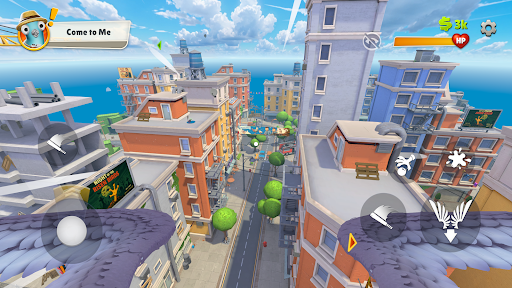
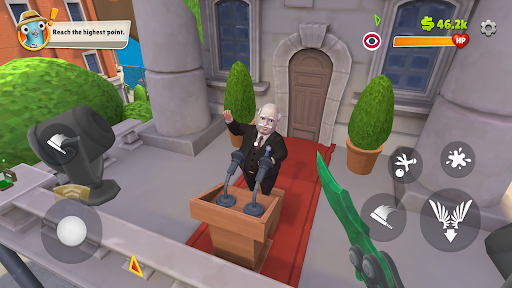
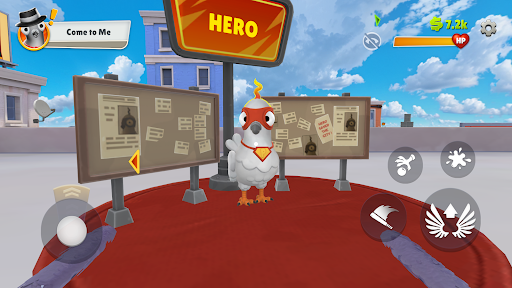
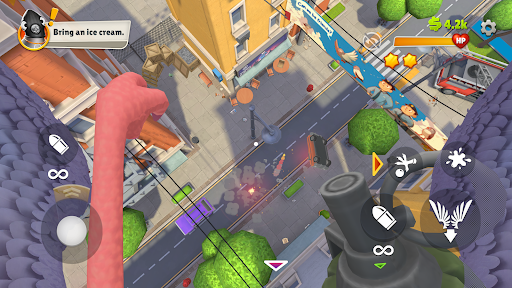
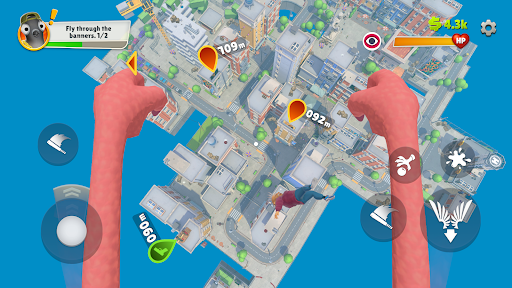
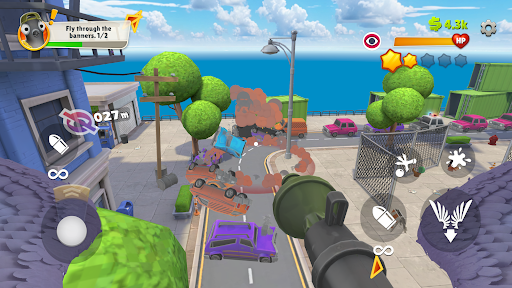
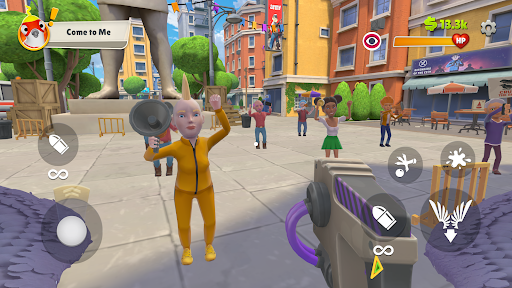
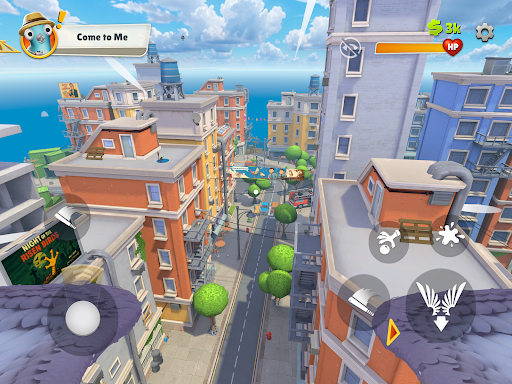
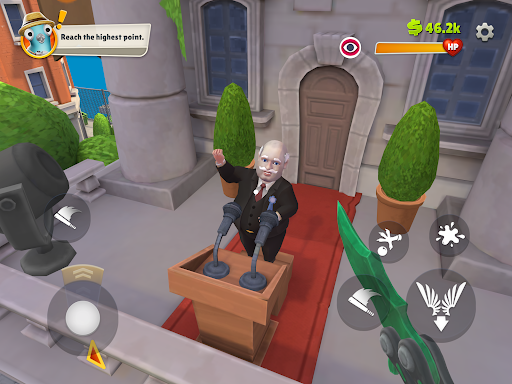
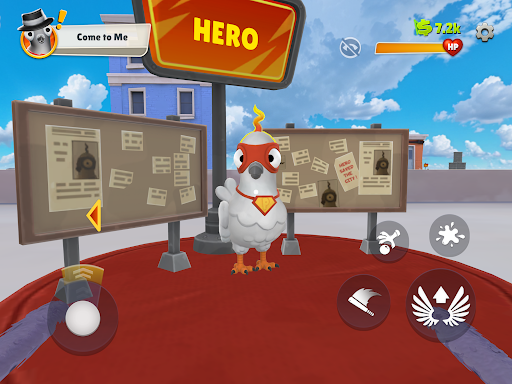
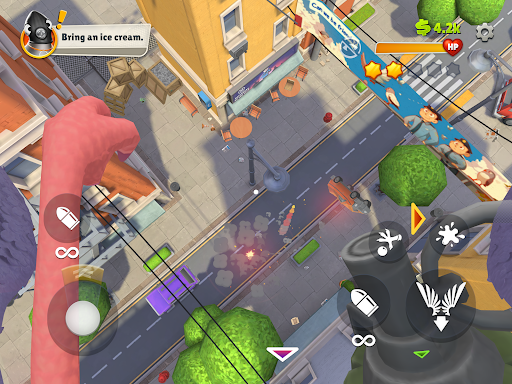
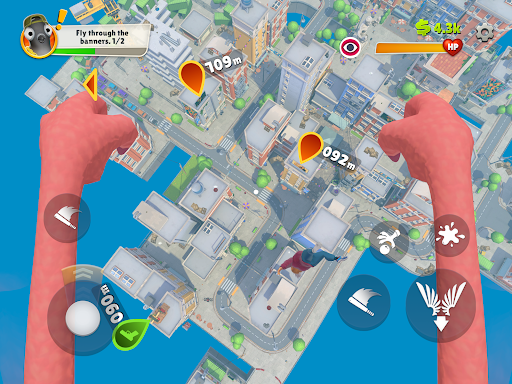
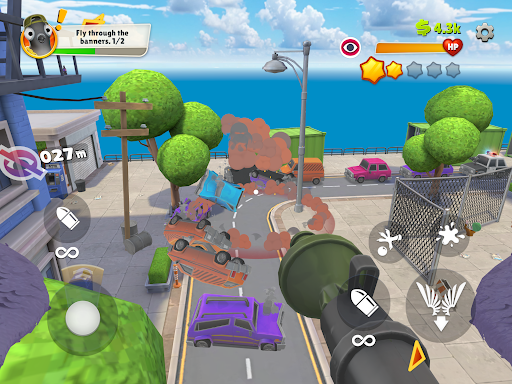
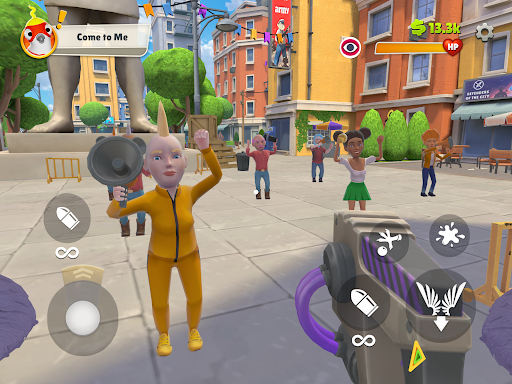
I Am Bird knows exactly what kind of game it wants to be, and that clarity is a big part of its appeal. From the moment I started gliding over the city as a troublemaking pigeon, the game clicked in a way a lot of mobile sandbox titles never quite do. It is silly, fast, and built around one simple fantasy: what if being an urban bird was less about survival and more about being a tiny feathered agent of chaos? That premise carries the game surprisingly far. What stood out first in my time with it was how good the basic movement feels. Flying around the city is smooth enough that I kept playing longer than I expected just because traversing the map is fun on its own. Swooping low over crowds, hopping onto rooftops, and darting down into busy streets gives the game an immediacy that works especially well on mobile. It does not feel like a stiff novelty where the joke wears off after five minutes. There is a real loop here: explore, annoy, grab things, trigger reactions, escape, repeat. The controls are approachable, and while there is a bit of the usual mobile imprecision during more hectic moments, the overall sensation of being airborne is convincing enough to make the city feel like a playground. The second major strength is the tone. I Am Bird is genuinely funny in motion. The comedy does not come from written jokes or cutscenes so much as from the chain reactions you create. Buzz a pedestrian, snatch an item, cause a scene, then watch the city react with a mix of panic and irritation. The game understands that a pigeon sandbox lives or dies on unpredictable slapstick, and it delivers. There is a mischievous energy to nearly everything you do, and that makes experimentation rewarding. Even when I was not advancing a mission, I was usually entertained by seeing what kind of trouble I could stir up next. The third strength is that the game gives you enough structure to prevent the sandbox from feeling aimless. Missions and quest-givers add direction, and unlocks help maintain momentum during the early and middle stretch. I appreciated that because pure sandbox games on mobile often burn bright and then immediately run out of reasons to continue. Here, there is at least a sense of progression, and the ability to play more aggressively or more playfully adds variety. Depending on your mood, you can chase objectives, explore casually, or lean into full destruction. That said, the game does run into several familiar mobile pitfalls. The biggest one is ads. They are the single most noticeable drag on the experience. Because the game is built around flow and mischief, interruptions feel especially damaging here. You want to stay in the rhythm of flight, chaos, escape, and discovery. When ads cut into that rhythm too often, the game starts to feel less like a sandbox and more like a series of bursts separated by friction. For a free game, some ad support is expected. In I Am Bird, it is frequent enough that it can actively blunt the fun. Another issue is that the game’s content feels stronger at the beginning than at the end. Early on, there is a fun sense that the city keeps offering new tasks and new ways to play. Later, the progression starts to thin out. I reached a point where the appetite for more quests was stronger than the actual supply of them, and that exposed the limits of the sandbox. The core mechanics are amusing, but they are not endlessly deep by themselves. Once available missions start to dry up, the experience becomes more dependent on your willingness to create your own entertainment. The third weakness is balance during the more intense chaos states. The fantasy of escalating trouble is fun, but at high alert levels the game can tilt from playful challenge into survival-by-memorization. There is a fine line between “this city is finally fighting back” and “I barely have time to react before I’m overwhelmed,” and I Am Bird does cross it at times. That may appeal to players who enjoy mastering evasive movement and learning the city inside out, but it can feel punishing if you are here mainly for the casual comedy. I also noticed that the experience is best when treated as a burst game rather than a long-session obsession. In short sessions, the humor lands, the controls feel snappy, and the mission structure is enough to keep things moving. In longer sessions, the rough edges become more apparent: repeated activities, ad interruptions, and the feeling that some systems could use more depth or more content to fully capitalize on the excellent premise. So who is this for? It is a great fit for players who enjoy open-ended sandbox antics, light destruction, goofy physics, and games that let them toy with NPC behavior for their own amusement. If you like causing chaos in a city and seeing systems react, this is very easy to enjoy. It is also well suited to younger players and anyone who wants an accessible action game that does not demand a huge learning curve at the start. Who is it not for? If you dislike ads, prefer tightly designed mission campaigns, or want a deeply polished long-form action game with lots of late-game variety, this one may wear thin. Players who want a serious role-playing experience should also look elsewhere; despite its store category, this is much more of a humorous sandbox action game than a traditional RPG. Overall, I Am Bird succeeds because the central fantasy is immediately fun and consistently readable. It feels good to fly, it is funny to misbehave, and the city gives you enough feedback to make your chaos feel meaningful. It falls short when monetization interrupts that fun and when the content can no longer keep pace with the novelty of the premise. Even so, as a free mobile game built around one absurdly entertaining idea, it is far better than it has any right to be. I kept coming back to it for the same reason pigeons keep returning to city squares: there is always a chance something messy and entertaining is about to happen.
Alternative apps