
Apps Games Articles
Stick War: Legacy
Max Games Studios
Rating 4.7star icon
Editor's summary
Editor rating
star icon star icon star icon star icon
half star icon
4.5

One-line summary Stick War: Legacy is one of the rare mobile strategy games that feels genuinely fun without nickel-and-diming you, though its grindy reward pacing and occasional rough edges keep it just short of an easy perfect score.

  • Installs

    100M+

  • Developer

    Max Games Studios

  • Category

    Strategy

  • Content Rating

    Teen

  • Latest version

    2022.1.24

  • Package

    com.maxgames.stickwarlegacy

Screenshots
In-depth review
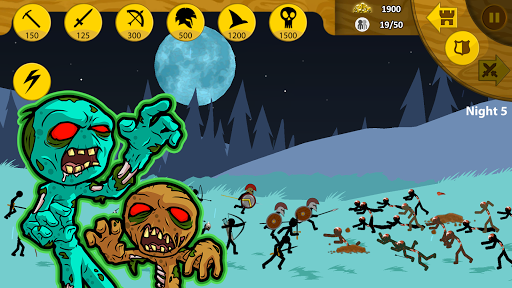
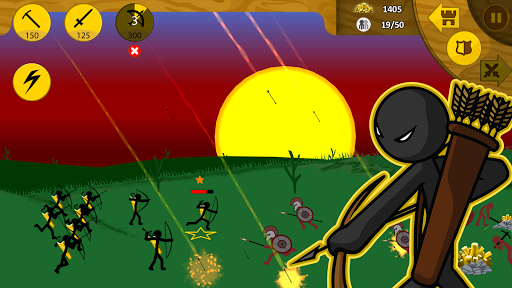
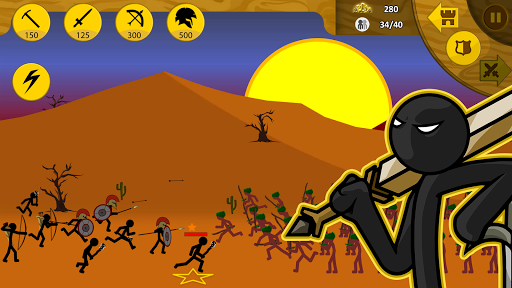
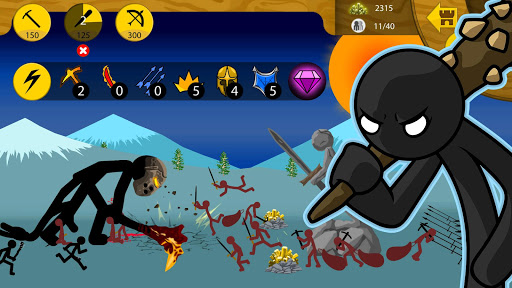
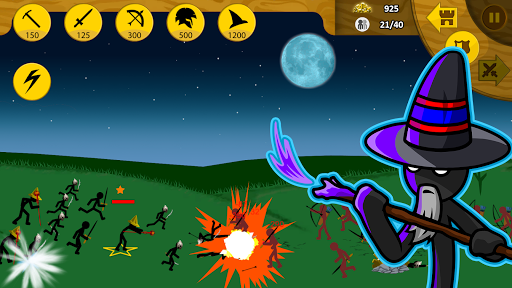
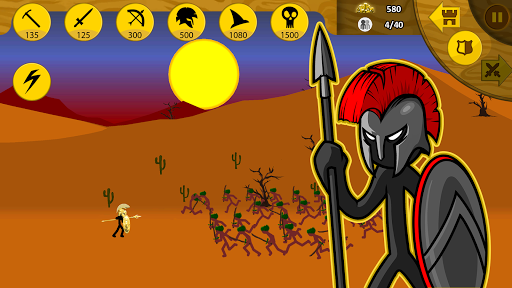
Stick War: Legacy is the kind of mobile game that earns your time almost immediately. Within a few matches, it becomes clear why it has lasted so long: it understands the value of simple controls, readable combat, and a progression loop that keeps giving you one more reason to queue up another battle. After spending time with the campaign, tournament fights, weekly-style challenge content, and the Endless Deads survival mode, my biggest takeaway is that this is still one of the better examples of strategy designed for a phone rather than awkwardly shrunk down onto one. At its core, the game mixes lane-based battlefield management with direct unit control. You are not just dropping troops and watching numbers collide. You are mining gold, deciding which unit types to prioritize, adjusting your army composition, and, when needed, taking direct control of individual fighters to squeeze more value out of them. That last part is what gives Stick War: Legacy its personality. Many mobile strategy games are content to let the player act as a passive commander; this one regularly nudges you into the action. Jumping into an archer to pick off key targets or manually controlling a frontline unit during a push makes battles feel more hands-on than they first appear. The first major strength here is pacing. Matches are quick enough to fit into short play sessions, but they usually contain enough tactical decision-making to feel satisfying. It is easy to open the app for a few minutes and accidentally stay much longer than planned. The campaign does a good job of introducing the unit roster and gradually asking more from you, and the extra modes help the app avoid the common problem of mobile strategy titles burning bright for an hour and then becoming repetitive. Tournament mode offers a nice sequence of AI fights, while Endless Deads changes the rhythm completely by turning the game into a defensive survival challenge. Weekly mission-style content also helps the app feel less static. The second big strength is how approachable it is. Stick War: Legacy looks simple, but it is not shallow. The stick-figure art style keeps the battlefield clean and readable, which matters when you need to understand threats at a glance on a small screen. Unit roles are intuitive: sword users hold or pressure the front, archers provide ranged support, spear units punish badly timed engagements, mages and giants bring a sense of escalation. Even if you are new, you can grasp the basics quickly. If you want more depth, the difficulty modes and optional grinding for upgrades, skins, and rewards give you room to optimize. Its third strength is restraint. This is a free mobile game with ads and in-app purchases, but in regular play it does not feel aggressively monetized. That matters more than ever in 2025, when too many free games interrupt every victory screen with hard-sell prompts or force progress walls after the tutorial honey phase ends. Here, the game feels far more playable without paying than most of its peers. Rewards may come slowly at times, but the design generally leaves room for pure play to carry the experience. That said, Stick War: Legacy is not flawless. The first weakness is its reward economy. Gems and chest unlocks can feel slower than the rest of the game deserves. The actual battles are brisk and satisfying, but some progression systems drag their feet, which creates an odd mismatch: the gameplay says “keep experimenting,” while the economy sometimes says “wait.” Unlock timers and relatively expensive items in the shop make the long-term loop feel more stretched than necessary. The second weakness is that, despite the variety of modes, the game can show its age in spots. The art direction is charming and readable, but some presentation elements feel dated rather than timeless. Menus and progression systems do the job, but they do not have the same polish as the core combat. The app is at its best when a battle is underway; outside of battle, the surrounding structure is serviceable rather than elegant. The third weakness is occasional roughness in usability and balance feel. Most of the time the app runs cleanly, but there are moments where control flow or battlefield handling feels a little clunky. Some strategies also appear much more efficient than others, which can reduce the incentive to experiment once you discover what works reliably. The game remains fun, but not every tool in the sandbox feels equally compelling. Even with those issues, I had a consistently good time with it. What surprised me most is how well it works as both a casual time-killer and a more deliberate strategy game. You can play a few matches offline, knock out a challenge, and move on. Or you can stay with it longer, push higher difficulties, collect more unlocks, and refine how you build and command your army. That flexibility is a big part of the appeal. Stick War: Legacy is best suited for players who want a strategy game that is easy to learn, works well in short bursts, and does not constantly pressure them to spend. It is also a strong fit for anyone who likes old-school flash-game energy translated surprisingly well to mobile. On the other hand, it is not ideal for players who want deep grand strategy, highly modern presentation, or a progression system that showers them with rewards every few minutes. In the end, Stick War: Legacy succeeds because the fundamentals are strong. Combat is readable, commanding your army feels active rather than distant, and the extra modes give the app enough longevity to justify repeated returns. It does not reinvent mobile strategy, but it does something arguably more valuable: it delivers a polished, replayable, low-friction version of it. Even years after its original rise, it still feels like one of the more dependable strategy downloads on Android.