
Apps Games Articles
Cookingdom
ABI Games Studio
Rating 4.8star icon
Editor's summary
Editor rating
star icon star icon star icon star icon
half star icon
4.5

One-line summary Cookingdom is one of the rare mobile cooking games that genuinely feels soothing and tactile, but its timers, ad nudges, and occasional quirks keep it from being an easy recommendation for every casual player.

  • Installs

    10M+

  • Developer

    ABI Games Studio

  • Category

    Simulation

  • Content Rating

    Everyone

  • Latest version

    1.0.53

  • Package

    com.abi.cook.chill

In-depth review
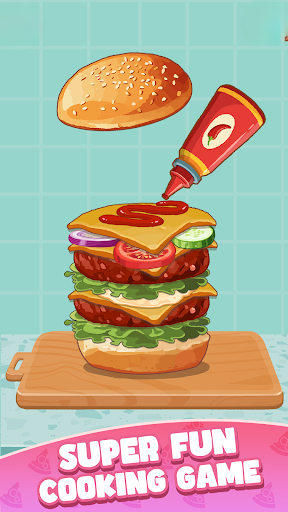
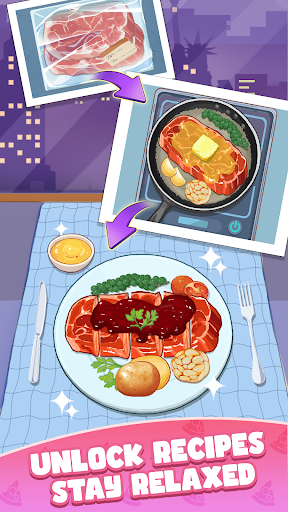
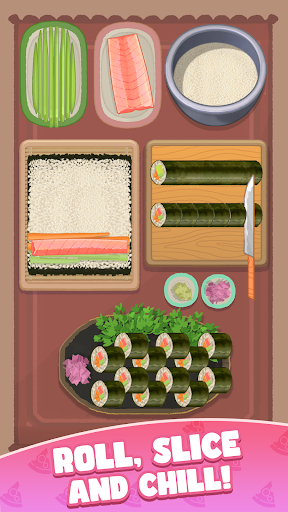
Cookingdom surprised me for a very simple reason: it understands that cooking games do not always need to be frantic. After spending real time with it, the biggest thing that stood out was how deliberately small and tactile everything feels. Instead of throwing you into a hectic restaurant-management loop, it breaks recipes into bite-size actions: slicing, stirring, pouring, flipping, arranging. That structure gives the game a relaxing rhythm that is much closer to a fidget toy or ASMR app than a traditional time-management sim. The best part of the experience is the physicality of the interaction. Chopping ingredients, dragging items into bowls, smoothing batter, or placing toppings is satisfying in a way that mobile games often promise but rarely deliver. The sound design does a lot of heavy lifting here. The little taps, cuts, and cooking noises give the whole thing a soft sensory appeal, and the visuals back that up with bright, cute food art that is easy to read at a glance. It is a very polished presentation when everything is working well, and it makes even simple tasks feel rewarding. I also liked how the game turns recipes into a sequence of mini-tests rather than a single repetitive loop. One dish may ask for neat prep work, another for timing, another for precise placement. That variety helps Cookingdom avoid the usual mobile-game problem where the first ten minutes feel charming and the next hour feels identical. Even when I replayed recipes, the app remained engaging because the actions themselves are enjoyable. There is a pleasant “just one more dish” quality here, especially if you like games that reward careful touch input. Another genuine strength is that the app’s tone is friendly and accessible. There is no intimidating complexity to learn up front. You can open it, follow the visual cues, and understand the basic loop immediately. It is easy to see why this would appeal to players looking to unwind, younger players who enjoy interactive pretend cooking, or adults who want something low-stress to fiddle with while listening to music or watching TV. In its best moments, Cookingdom feels cozy without becoming sleepy. That said, this is not a purely zen experience, and the friction points show up soon enough. The first recurring issue is the timer system. Despite the game selling a chill atmosphere, some recipe stages can feel tighter than they should, especially when you are still learning the exact order of operations or when a level wants very precise placement. That creates a mismatch between the app’s relaxing presentation and its occasional demand for speed. The existence of a chill mode helps, and it makes a noticeable difference, but the fact that this mode feels necessary tells you something about the baseline balance. The second issue is ads. Cookingdom is far from the worst offender on mobile, and I want to be fair about that. It is playable, and the ads are not constantly interrupting every touch. Still, there is a steady ad presence around progression and retries, and extra time is often tied to watching one. Over a longer session, that rhythm starts to chip away at the calm mood the game works so hard to create. A cozy cooking game really lives or dies by flow, and ads are the fastest way to break that flow. The third weakness is inconsistency around polish. Most of the time, the app feels smooth and thoughtfully designed, but I did run into moments where the game felt overly exacting about where an ingredient had to be placed, or where progression systems and interface decisions were not as clear as they should be. There is also a slight sense that some parts of the experience are still being tuned: occasional connection-related oddness, level behavior that does not always feel fully predictable, and update-driven changes that can make the app feel a little unsettled. None of that ruins the game, but it does keep it from feeling as effortless as its aesthetic suggests. Who is Cookingdom for? It is for players who want a visually cute, touch-friendly cooking game that leans more toward sensory satisfaction than strategic depth. It is especially good for people who enjoy mobile games as a way to decompress, and for anyone who likes a collectible stream of new dishes to make. It is also a strong pick for those who want a cooking game that feels playful rather than competitive. Who is it not for? If you hate ads on principle, dislike precision touch tasks, or want a true no-pressure sandbox with zero timer tension, this may wear on you. Likewise, if you are looking for a deep restaurant sim, resource management challenge, or a realistic cooking simulator, Cookingdom is aiming at a much lighter and more stylized experience. Overall, I came away impressed. Cookingdom gets the hard part right: it feels good to play. The chopping, stirring, plating, and assembling all land with a satisfying sense of touch, and the art and sound make it easy to sink into. Its problems are real, especially the ad pressure and the occasional conflict between “cozy” branding and timed gameplay, but they do not erase how charming the core loop is. For the right player, this is an easy game to lose time in, and one of the better casual cooking experiences currently available on mobile.