
Apps Games Articles
Instacart: Get Food Delivery
Instacart
Rating 4.1star icon
Editor's summary
Editor rating
star icon star icon star icon star icon
half star icon
4.5

One-line summary Instacart is one of the most useful delivery apps you can put on your phone if convenience matters, but its occasional glitches, substitutions, and fee-related friction keep it from feeling completely effortless.

  • Installs

    10M+

  • Developer

    Instacart

  • Category

    Food

  • Content Rating

    Everyone

  • Latest version

    9.6.1

  • Package

    com.instacart.client

In-depth review
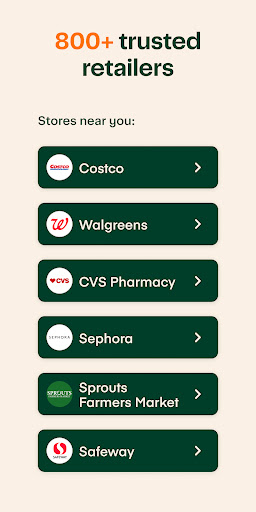
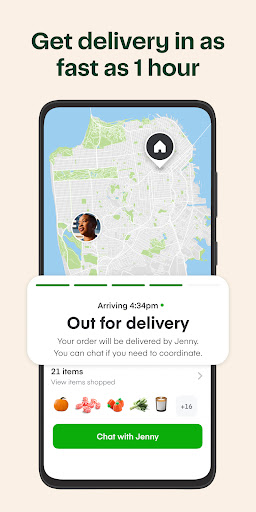
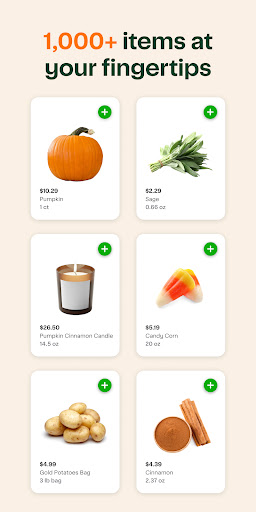
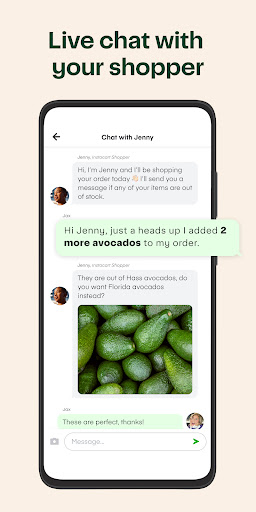
After spending real time with Instacart as an everyday grocery tool rather than a one-off emergency app, my takeaway is simple: this is one of the most practical delivery services available, and at its best it feels like buying back a chunk of your week. It is not flawless, and it can absolutely test your patience in small but meaningful ways, but when the app, the store inventory, and the shopper all line up, the experience is excellent. The first thing Instacart gets right is accessibility. This app is clearly built for people who do not want to, cannot, or simply should not spend time making repeated grocery runs. In actual use, that becomes obvious very quickly. The basic flow is straightforward: enter your location, browse nearby stores, build a cart, choose delivery or pickup where available, and then track the order as it moves through shopping and delivery. None of that is revolutionary on paper, but Instacart makes the process feel familiar and manageable even when the order is large. We never felt lost inside the interface. The app remembers prior purchases well, which makes repeat ordering much faster than starting from scratch every time, and that alone turns it from a novelty into a habit. That repeat-ordering convenience is one of the app’s biggest strengths. If you tend to buy the same pantry staples, produce, beverages, household goods, and pharmacy basics week after week, Instacart can dramatically reduce the mental load of shopping. Rebuilding a cart from prior orders is quick, and replacement preferences help smooth out some of the inevitable inventory surprises. In our testing, this made the app especially useful for busy households, people recovering from illness, caregivers ordering for others, and anyone with mobility limitations. Instacart is at its best when it quietly handles routine life. Another thing it does well is communication during the shopping process. When an item goes out of stock, the app’s real-time shopper chat and replacement workflow usually keep the order moving without too much confusion. That interactivity is what separates a good grocery app from a frustrating one. Instead of discovering a bad substitution after the fact, you often get a chance to approve a replacement, ask for a refund, or clarify what matters most. When this works smoothly, it feels surprisingly human for an app-based service. Delivery tracking is also useful, and the status updates help make the wait feel less vague. The third major strength is breadth. Instacart does not feel limited to one kind of shopping trip. It works for a full grocery restock, a smaller last-minute ingredients run, snack cravings, drinks, and general household essentials. That flexibility gives it value beyond emergencies. It can cover a regular weekly routine, but it is just as handy when you realize you are missing one dinner ingredient and do not want to derail your evening. Still, using Instacart regularly exposes its weak points. The first is inconsistency in substitutions and item quality. Even with replacement settings in place, the outcome depends heavily on what is in stock and how attentive the shopper is. Sometimes the app handles changes gracefully; other times you end up with a refund when you wanted a close alternative, or with a replacement that technically fits but misses the point. Fresh items can also be a gamble. A careful shopper can make the service feel premium, while a rushed one can make it feel careless. The second weakness is that the app experience is polished overall but not free of glitches. During extended use, small annoyances show up: occasional friction in ordering, moments where parts of the flow feel less responsive than they should, and the sense that the app is very good without being bulletproof. Nothing here consistently broke the experience for us, but there were enough rough edges to remind us that convenience apps only feel magical until one small hiccup interrupts dinner plans. The third sticking point is fees and final-order psychology. Instacart is convenient, but convenience rarely feels cheap. Even when promotions soften the blow, it is easy for an order total to feel heavier than expected once delivery-related costs are factored in. The app is generally transparent about this, which I appreciate, but transparency does not eliminate the sting. If you are extremely price-sensitive or already doing a careful budget shop, Instacart can feel like a luxury service rather than a default habit. Who is this app for? It is excellent for people with limited time, limited mobility, no easy transportation, demanding family schedules, or a strong preference for avoiding store trips. It is also a very good fit for users who place recurring, practical orders and value speed over the exact ritual of choosing every item in person. Who is it not for? If you are deeply particular about produce, hate substitutions of any kind, or want the absolute lowest-cost grocery run every time, you may find the compromises too annoying. What impressed me most after extended use is that Instacart does not just solve a logistics problem; it reduces friction in everyday life. The best version of the app feels calm, efficient, and almost invisible. You place an order, make a few quick decisions during shopping, and groceries appear at your door. That is powerful. The reason I stop short of wholehearted perfection is that the experience still depends on enough moving parts—inventory, shopper judgment, app stability, and fees—that some orders will feel much better than others. Even with those caveats, Instacart remains easy to recommend. It is one of those apps whose value becomes clearest the moment you are busy, tired, stuck at home, or simply unwilling to spend an hour wandering store aisles for six items. When it works well, it feels less like delivery and more like reclaimed time.
Alternative apps