
Apps Games Articles
DoorDash: Food, Grocery, More
DoorDash
Rating 4.7star icon
Editor's summary
Editor rating
star icon star icon star icon star icon
half star icon
4.5

One-line summary DoorDash is one of the easiest delivery apps to live with thanks to its broad selection and polished tracking, but support hiccups and the occasional fee fatigue keep it from feeling effortless every time.

  • Installs

    50M+

  • Developer

    DoorDash

  • Category

    Food

  • Content Rating

    Everyone

  • Latest version

    15.265.1

  • Package

    com.dd.doordash

Screenshots
In-depth review
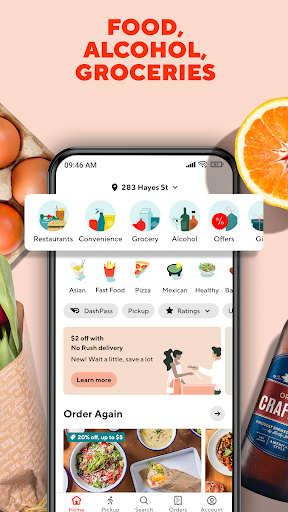
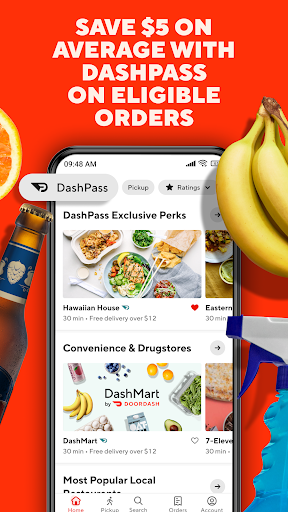
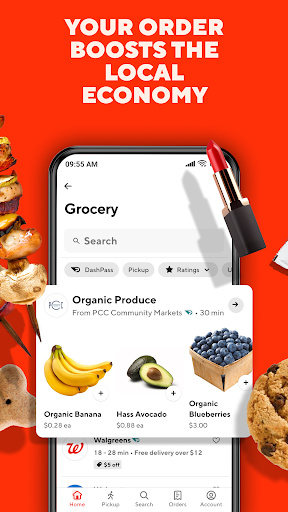
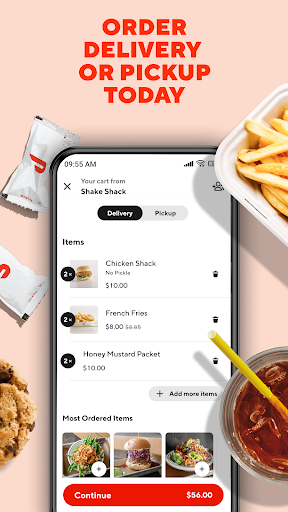
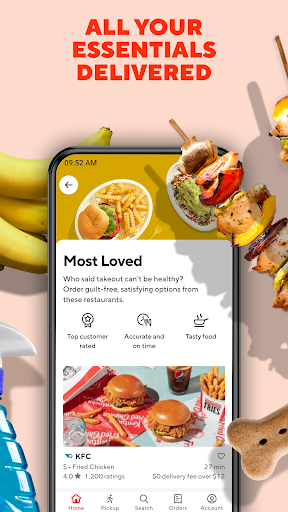
DoorDash has evolved into the kind of app that tries to be the default answer to a very modern question: “Can someone bring this to me right now?” After spending real time with it for meals, convenience runs, and basic grocery top-ups, my takeaway is that it succeeds more often than it stumbles. It is not perfect, and it absolutely has moments that remind you delivery apps still carry friction, but in day-to-day use DoorDash feels mature, fast, and unusually easy to navigate. The first thing that stands out is how broad the app feels without becoming messy. Opening DoorDash does not feel like opening a narrow restaurant directory anymore. Food is still the center of gravity, but the app makes it very clear that it also wants to handle grocery items, convenience essentials, pharmacy-style pickups, and other everyday needs. In practice, that makes it more useful than an app you open only on lazy Friday nights. We found ourselves using it not just for dinner, but for the small emergencies that happen in normal life: snacks, household basics, and those “I do not want to leave the house for one thing” errands. That breadth would mean little if the app were clunky, but this is one of DoorDash’s biggest strengths. Browsing menus is quick, categories are easy to scan, and the overall flow from search to checkout is polished. It is very easy to jump between restaurants or stores, compare options, and build an order without feeling lost inside the interface. There is a certain slickness to the experience that makes casual browsing almost too effective; promotions, featured items, and suggested add-ons are presented in a way that encourages impulse ordering. Depending on your self-control, that is either convenient or dangerous. The second major strength is the delivery experience once an order is placed. DoorDash does a very good job of keeping you informed without making the process feel noisy. Updates around preparation, pickup, and arrival are useful, and the real-time tracking adds exactly the kind of reassurance people want from a delivery app. You are rarely left wondering whether the order is sitting forgotten somewhere. For pickup orders, the status updates are similarly handy, taking some of the guesswork out of timing your trip. A third thing DoorDash gets right is flexibility. The app supports multiple order types, advance scheduling, small orders, and a range of payment methods. That sounds mundane until you live with it for a while. Convenience is built from dozens of little moments, and DoorDash consistently removes tiny barriers that might otherwise make you abandon the order. Whether you are planning ahead or placing a spontaneous order from the couch, the app generally adapts well. That said, the weaknesses are real, and they matter. The first is customer support, which feels less polished than the rest of the product. When everything goes smoothly, DoorDash feels excellent. When something goes wrong, missing items, unclear substitutions, late arrivals, or order confusion, the experience becomes much less elegant. The app is strongest when it is running on rails; once your situation falls outside the happy path, getting a satisfying resolution can feel less certain than it should. The second frustration is cost visibility in the emotional sense, even if not in the literal sense. DoorDash is not unusually hard to use, and in some cases it can feel more reasonable than rivals, but delivery economics still have a way of taking the shine off convenience. By the time service costs, delivery-related charges, and tips enter the picture, the final total can feel heavier than the menu browsing stage suggests. Frequent users may find real value in DashPass, especially if they order often enough to offset recurring membership cost, but occasional users may hesitate once totals start climbing. The third weakness is that parts of the app still feel oddly inconsistent around non-order features. The core shopping and tracking flow is refined, yet some secondary areas do not feel curated with the same care. Little annoyances in organization and discoverability can break the illusion of polish. It is not enough to ruin the app, but it is enough to notice when compared with the otherwise smooth ordering experience. Who is DoorDash for? It is a strong fit for busy households, people who regularly order takeout, urban and suburban users who want one app for food plus everyday essentials, and anyone who values clear tracking and a large selection. If you like the idea of one delivery app becoming part of your weekly routine, DoorDash makes a convincing case. Who is it not for? If you only order once in a while and are highly sensitive to delivery markups, the convenience may not justify the total. It is also not ideal for people who want absolute confidence that any problem will be handled flawlessly every time. And if you dislike apps that constantly tempt you with promotions and add-ons, DoorDash can feel a little too good at selling convenience. Overall, DoorDash earns its popularity the old-fashioned way: by making the main job easy. It is fast to browse, simple to order from, and reassuring to track. That combination matters more than flashy promises. The app does not reinvent delivery, but it does make it feel routine in the best possible way. As long as you go in with realistic expectations about fees and occasional support friction, DoorDash is one of the easiest food-and-essentials delivery apps to recommend.
Alternative apps