
Apps Games Articles
Blockudoku®: block puzzle game
Easybrain
Rating 4.4star icon
Editor's summary
Editor rating
star icon star icon star icon star icon
half star icon
4.5

One-line summary Blockudoku is one of the smartest pick-up-and-play puzzle games on Android, but its excellent core loop is occasionally dulled by ads, busy event clutter, and moments when the piece flow feels a little too cruel to be purely skill-based.

  • Installs

    50M+

  • Developer

    Easybrain

  • Category

    Puzzle

  • Content Rating

    Everyone

  • Latest version

    2.10.0

  • Package

    com.easybrain.block.puzzle.games

In-depth review
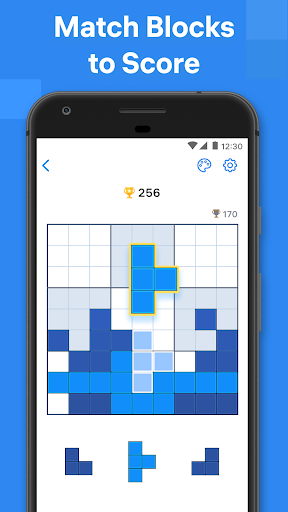
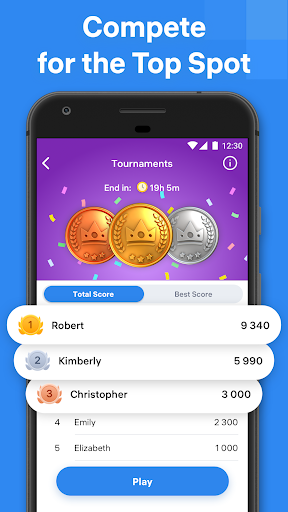
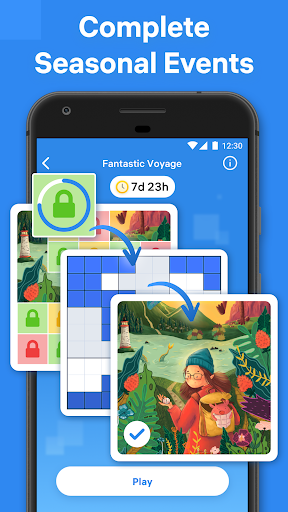
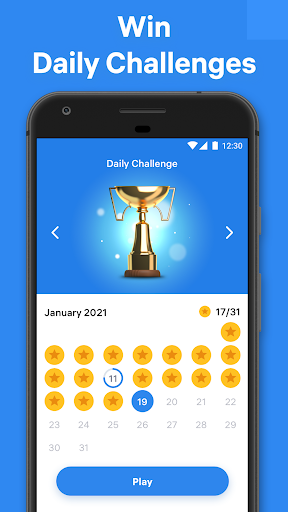
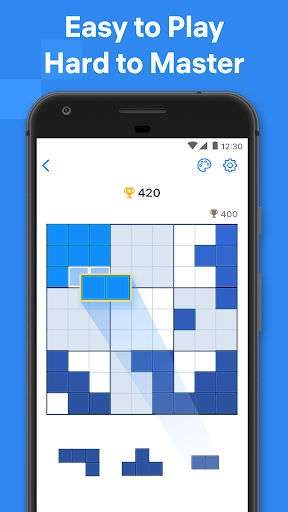
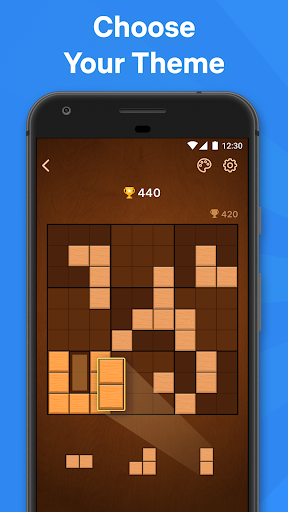
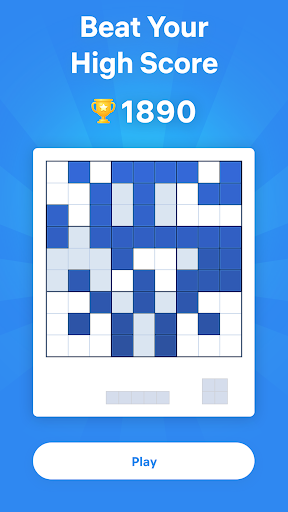
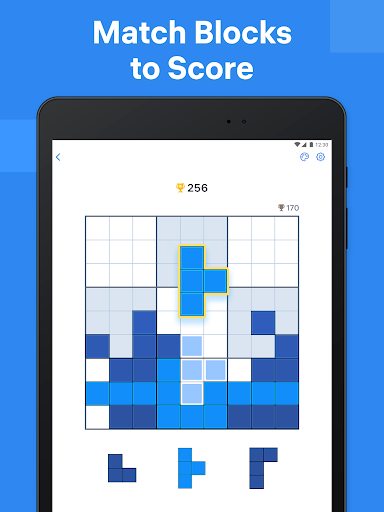
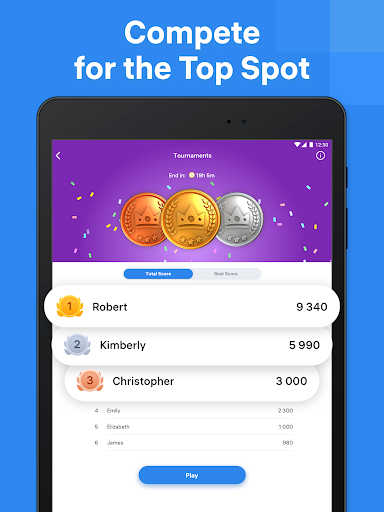
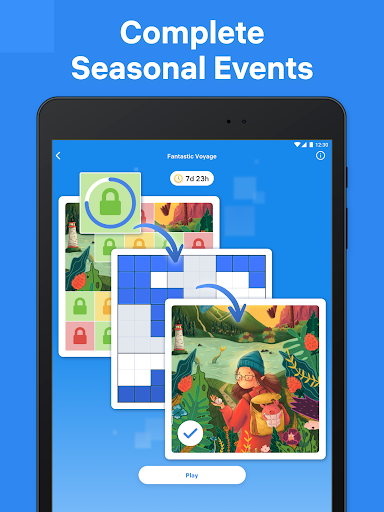
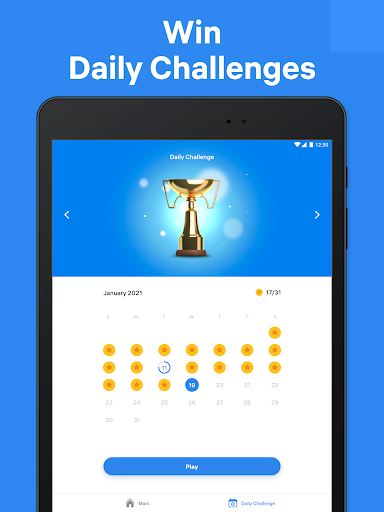
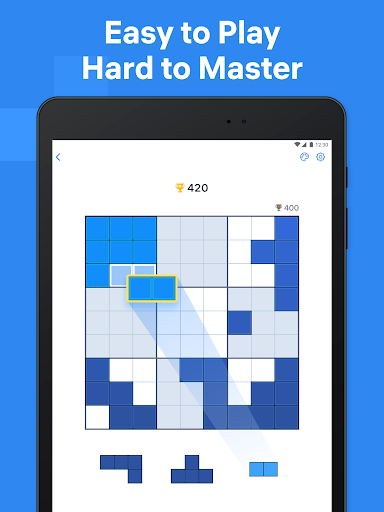
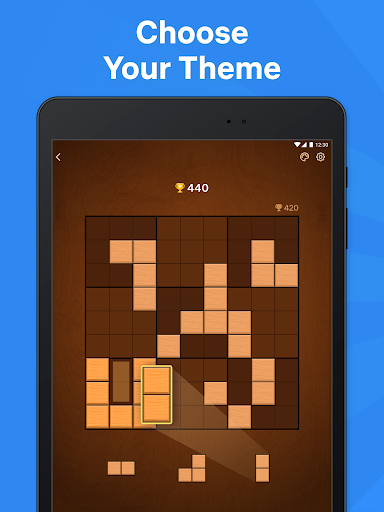
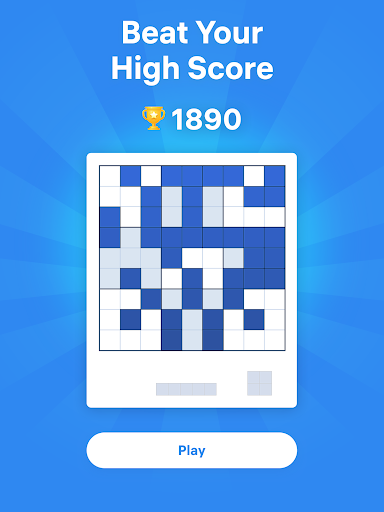
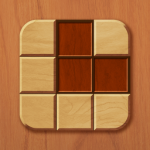
Blockudoku®: block puzzle game is one of those mobile puzzlers that looks almost disposable at first glance and then quietly eats half an hour of your evening. After spending time with it, that is the strongest compliment I can give it: this is a simple idea executed with enough tension, clarity, and polish to keep pulling you back in. It takes the familiar drag-and-drop logic of a block puzzle and filters it through a 9x9 Sudoku-style grid, where you clear not only lines but also 3x3 squares. That small twist changes everything. In practice, Blockudoku feels less like a casual time-killer and more like a compact strategy game disguised as one. Every turn matters because you are not just placing a single piece and reacting afterward; you are trying to preserve space for the next shapes, maintain streaks, and avoid boxing yourself into a corner. The best sessions create a very particular rhythm: you start with a clean board and broad options, then gradually move into a more fragile mid-game where one careless placement can poison the whole run. When the game is clicking, it is excellent. Clearing a line and a square in the same move gives the same kind of tiny dopamine hit that keeps classics alive for years. The first major strength here is that the core design is immediately readable. Even if you have never touched a Sudoku-inspired puzzle game before, the board makes sense within seconds. Drag blocks, fit them into the grid, complete rows, columns, or 3x3 boxes, and keep the board alive. There is no learning cliff, but there is plenty of room to improve. That balance is harder to achieve than it looks. I found it easy to start playing during a short break, but also easy to slip into a more focused, score-chasing mode where I was thinking several moves ahead and trying to preserve specific gaps for awkward shapes. The second strength is how well it handles mood. This is not a twitchy game and it does not demand speed. There is no timer breathing down your neck, so the challenge comes from spatial planning rather than stress. That makes it a strong fit for players who want something calming without being mindless. It works especially well in those small in-between moments: waiting for coffee, winding down before bed, or trying to reset your brain after work. It can be relaxing, but it is never passive. The third strength is the sense of progression around the main puzzle loop. Daily challenges, seasonal content, tournaments, and score chasing give the game more to do than simply surviving one endless board after another. These extras do help prevent the experience from feeling too bare. I would not call them the main attraction, but they give returning players a reason to check in and they add a layer of structure around an otherwise abstract high-score game. That said, Blockudoku is not flawless, and its weaknesses are noticeable precisely because the central gameplay is so good. The biggest issue is advertising and interruption. Depending on how and when you play, the app can feel reasonably restrained, especially compared with more aggressive free-to-play puzzlers. But there are also sessions where the ad cadence becomes hard to ignore, and once that happens it breaks the calm, methodical spell that the game relies on. In a puzzle game built on concentration, even short interruptions feel more annoying than they would in a louder, more disposable arcade app. Another weak spot is the occasional feeling that the piece sequence turns harsh in a way that can seem less like fair difficulty and more like a trap. Good puzzle games make you blame yourself first. Blockudoku usually does that well, but not always. There were definitely runs where the board felt manageable and then suddenly became impossible to stabilize once a nasty string of bulky or awkward pieces arrived. Some players will treat that as part of the challenge, and to be fair, long-term improvement does come from learning to leave the right kinds of spaces open. Still, there are moments when the game crosses from demanding to suspiciously punitive. The third complaint is presentation clutter. The main board is clean enough, but the surrounding layer of events, pop-ups, notifications, and visual flourishes sometimes pushes a minimalist puzzle game toward a busier mobile-game aesthetic than it really needs. I also found parts of the visual design a little less legible than ideal during some modes or themed content. It is not ugly, and the interface is generally polished, but this is a game that is best when it gets out of its own way. Who is this for? It is a great fit for puzzle players who enjoy planning, pattern recognition, and score-chasing without timers. If you like Sudoku’s grid logic but want something more tactile and immediately gratifying, Blockudoku hits a sweet spot. It is also excellent for people who want a mentally engaging phone game that still feels relaxing. Who is it not for? If you hate ads on principle, want complete control over randomness, or prefer puzzle games with handcrafted levels rather than endless survival-style boards, this may wear thin. It also is not ideal for players who want a pure minimalist experience with no event systems or extra meta layers around the puzzle itself. Overall, I came away impressed. Blockudoku earns its popularity because the central mechanic is genuinely strong, not because it merely copies familiar ideas. It is accessible, deceptively strategic, and very easy to keep installed. I just wish it trusted that core loop enough to interfere with it a little less.
Alternative apps