
Apps Games Articles
Braindom: Brain Games Test
Lahana Game Studio
Rating 4.8star icon
Editor's summary
Editor rating
star icon star icon star icon star icon empty star icon
4.2

One-line summary Braindom is an easy-to-pick-up puzzle time-killer with genuinely clever brain teasers, but its heavy ad pressure and occasional touchy puzzle logic make it easier to admire than to recommend without reservations.

  • Installs

    100M+

  • Developer

    Lahana Game Studio

  • Category

    Puzzle

  • Content Rating

    Everyone

  • Latest version

    2.6.4

  • Package

    com.braindom

In-depth review
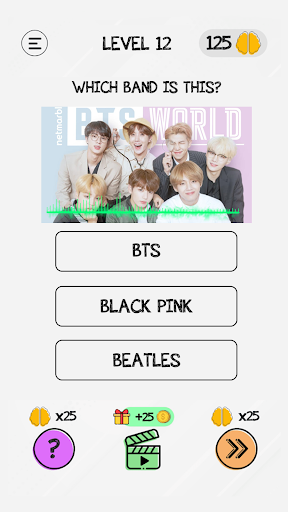
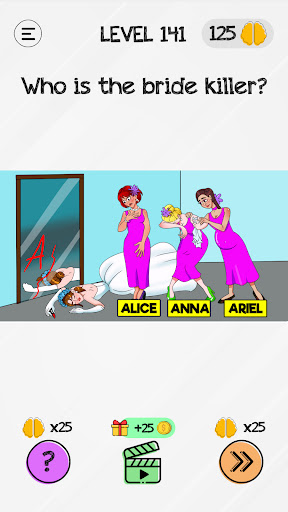
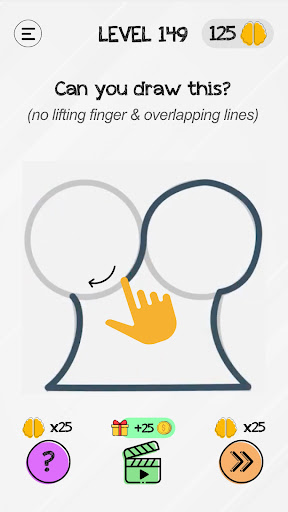
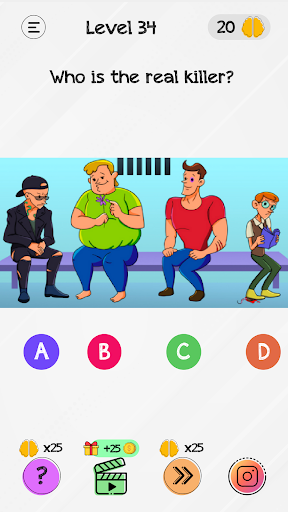
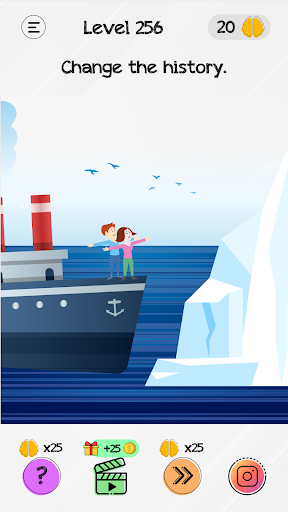
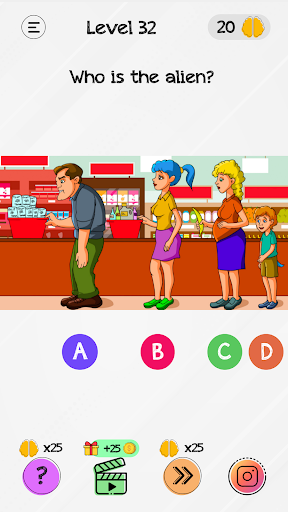
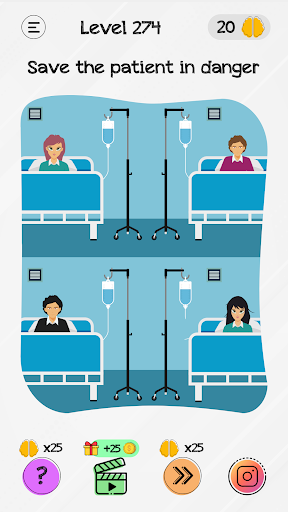
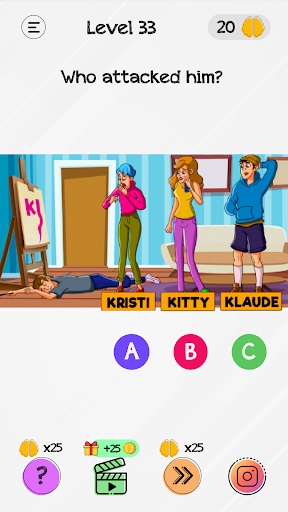
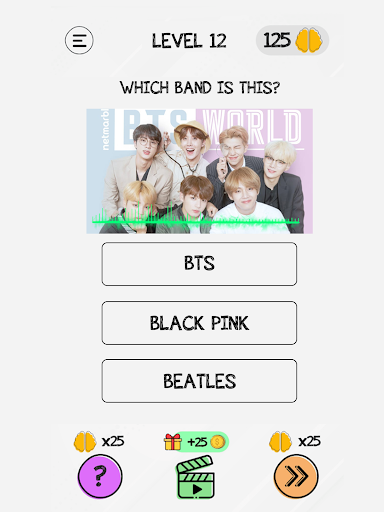
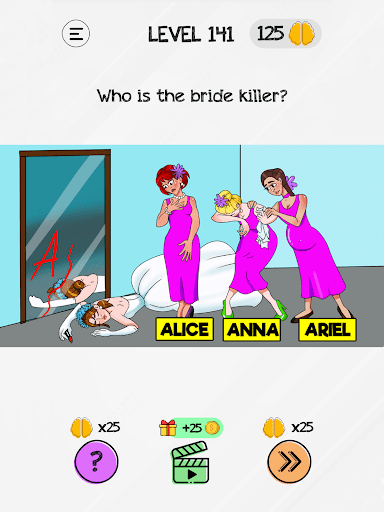
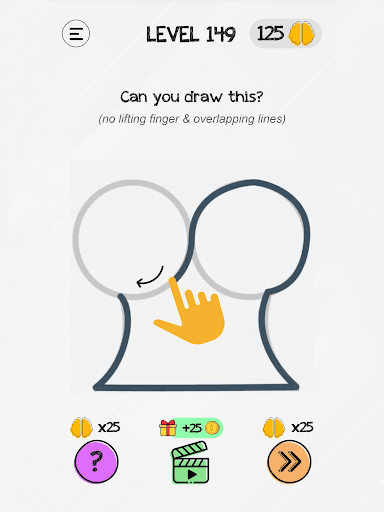
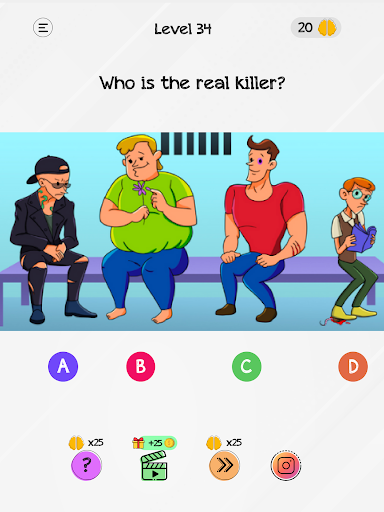
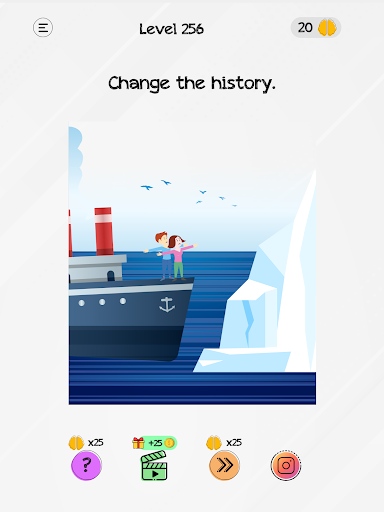
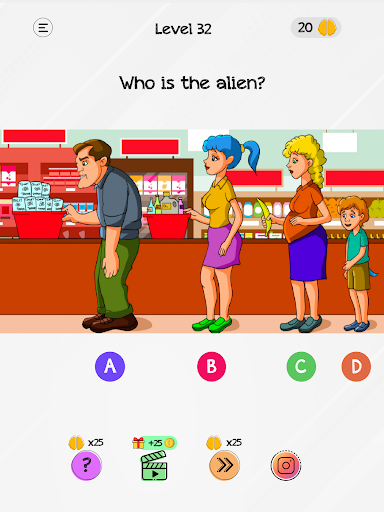
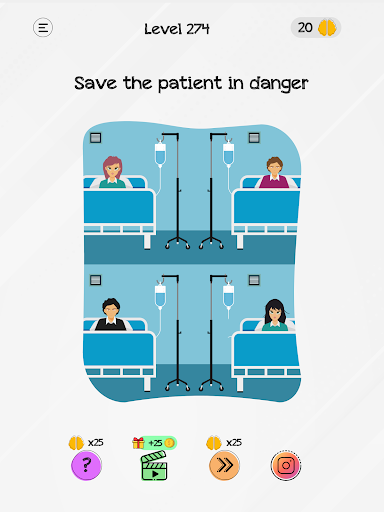
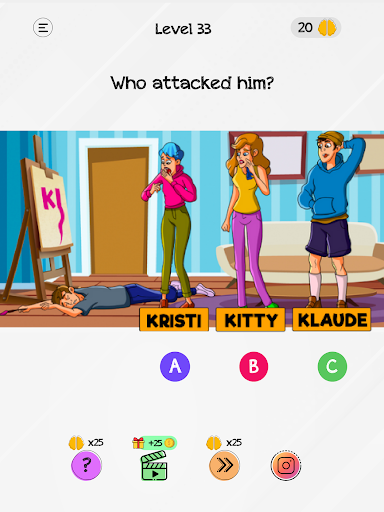
Braindom: Brain Games Test is one of those mobile puzzle games that understands exactly how to hook you in during the first few minutes. You launch it expecting a disposable stream of trick questions and novelty riddles, and instead you get a surprisingly varied, often charming sequence of mini brain teasers that feels lighter and more playful than its “IQ test” branding suggests. After spending time with it, my main takeaway is that Braindom works best when you treat it as a casual mental snack rather than a serious test of intelligence. In that role, it is very good. The core appeal is variety. Braindom rarely asks you to solve the same kind of problem over and over for too long. One level might ask you to spot a hidden clue in an illustration, the next might hinge on a visual trick, and another might require an offbeat interaction like moving, dragging, or thinking around the obvious answer. That constant switching gives the game momentum. Even when individual puzzles are simple, the app stays engaging because it keeps changing the way it wants you to think. I found that rhythm especially effective in short sessions. It is the kind of game you can open for five minutes and end up staying with much longer because there is always one more quick puzzle to clear. That leads to the app’s first real strength: accessibility. Braindom is easy to understand almost immediately. You do not need to learn a deep system, memorize mechanics, or commit to long play sessions. The controls are intuitive most of the time, and the visual presentation is simple enough that you can focus on the puzzle rather than on deciphering the interface. This also makes it a good fit for a wide age range. Younger players can enjoy the sillier visual puzzles, while adults can appreciate the lateral-thinking questions and pattern recognition challenges. Its second strength is that it often gets the difficulty balance right. Braindom is usually not brutally hard, but it is also not completely brainless. The better levels create that satisfying little pause where you stop, reconsider the obvious answer, and realize the game wants you to think a step sideways. That moment is where the app is at its best. It delivers a mild but consistent sense of cleverness without demanding the kind of concentration that turns a casual game into work. If you enjoy puzzle apps that make you feel smart in short bursts, Braindom understands that assignment. The third thing I liked is the app’s tone. It does not feel cold or clinical. There is a light, playful personality to the presentation, and the occasional bits of trivia or quirky framing help break up what could otherwise become a dry sequence of disconnected puzzles. It gives the game a bit more texture than many mobile brain teaser collections, which often feel like a spreadsheet of recycled riddles wrapped in generic menus. That said, Braindom also carries some of the most familiar frustrations of the free mobile puzzle genre. The biggest issue is ads. In regular free play, ad interruptions can become frequent enough to noticeably damage the flow. This matters more in a game like Braindom than it would in something slower-paced, because the app’s best quality is momentum. When you are solving quick-fire puzzles and getting into a groove, a forced video ad between stages feels especially intrusive. The game remains playable, but the stop-start rhythm can wear you down over longer sessions. The second weakness is inconsistency in puzzle logic and input detection. Most levels are fair once you understand the trick, but every so often Braindom slips into the kind of puzzle design that feels more fussy than clever. There are moments where the intended interaction is not registered cleanly, or where the solution depends on the app recognizing a very specific gesture or tap target. In those cases, you are not really solving a riddle so much as negotiating with the game. That is a small but recurring irritation, and it undercuts the satisfaction the stronger puzzles create. The third weakness is that Braindom can start to feel lightweight once you settle into its patterns. While the variety is real, the overall challenge level tends to lean approachable rather than demanding. If you are looking for deep, rigorous logic puzzles, this may feel too breezy. Some later content can also come across as easier than you might expect, and experienced puzzle fans may find themselves breezing through large chunks of the app by instinct, trial and error, or simply by learning the game’s habits. So who is it for? Braindom is for casual puzzle players, commuters, younger players, and anyone who enjoys trick questions, visual riddles, and bite-size mental challenges. It is also a good pick for someone who wants a low-pressure game that can be played in bursts without much commitment. Who is it not for? People who hate ads, players who want rigorously fair logic design every single time, and puzzle veterans seeking something truly demanding may bounce off it. Overall, I came away liking Braindom more than I expected. It is not a pure puzzle masterpiece, and it absolutely has free-to-play annoyances, but beneath those frustrations is a lively, accessible, often entertaining brain teaser app that knows how to keep you tapping. When it is firing on all cylinders, it delivers exactly what a mobile puzzle game should: quick satisfaction, a little surprise, and just enough challenge to make the next level hard to resist.